




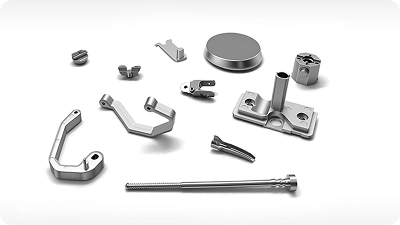
Automotive MIM parts provide high-strength, precision metal components for automotive applications with stable mass production quality.
Get A Quote Now

Automotive MIM parts provide high-strength, precision metal components for automotive applications with stable mass production quality.
Get A Quote Now
a. High-Strength Wear-Resistant 17-4PH Components
Project Overview
We supply high-performance automotive MIM parts for automotive transmission systems to meet stringent high strength and wear resistance requirements.
- Industry: Automotive Manufacturing
- Process: Metal Injection Molding (MIM)
- Material: 17-4PH Stainless Steel
- Annual Demand: Over 1,000,000 pieces
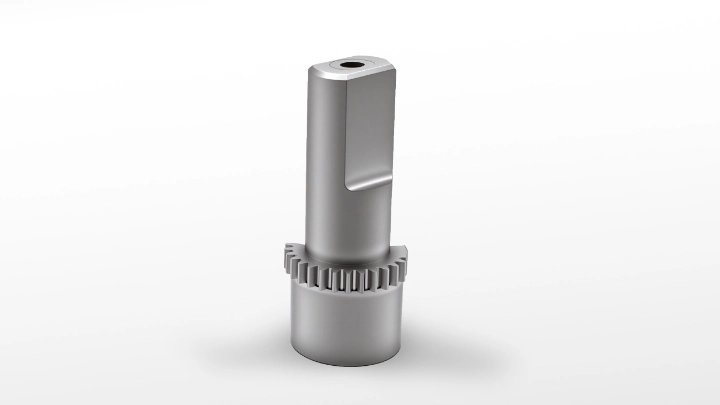
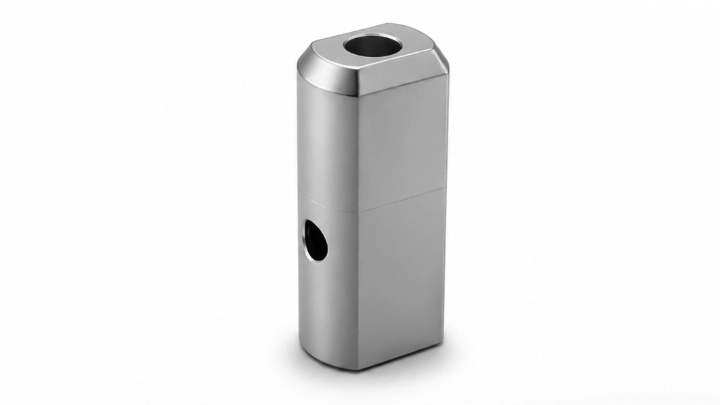
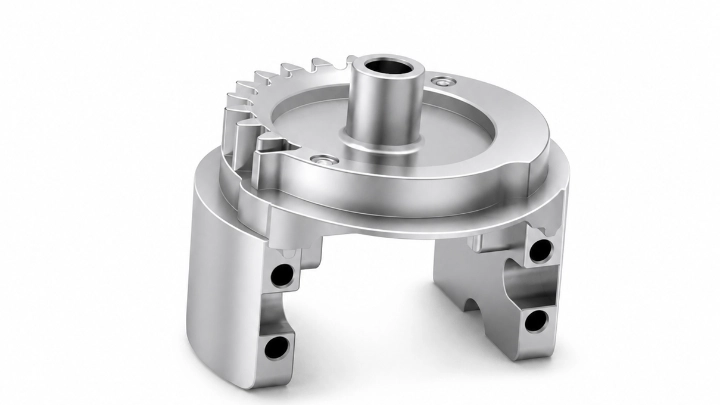
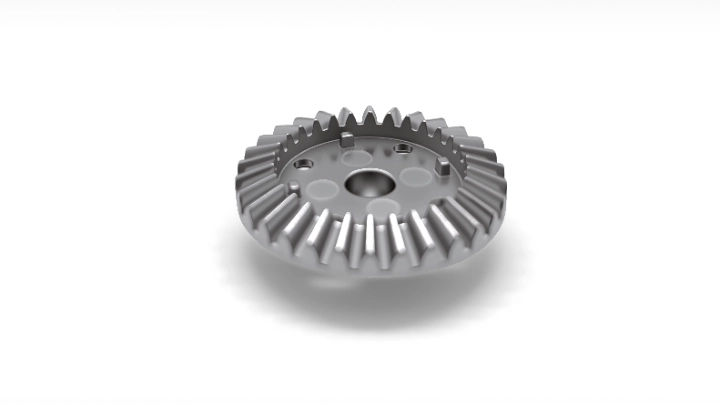
Project Challenges
- Poor consistency across mass batches
- High mechanical strength requirements
- Difficult machining of complex geometries
- Excessively high costs of CNC machining
Solutions
- Mature mass production system with stable output
- Structural optimization compatible with MIM processes
- Heat treatment to boost mechanical properties
- High-precision mold design
Project Achievements
✅ Manufacturing cost cut by over 25%
✅ Mechanical strength increased by 20%
✅ Production yield reached 99%
✅ Dramatically improved batch-to-batch consistency
Customer Benefits
- Reduced overall procurement expenditure
- Access to highly durable automotive spare parts
- Long-term stable component supply secured
MIM vs Traditional Manufacturing Processes
| Item | MIM | Powder Metallurgy | Investment Casting | CNC Machining |
| Relative Density | 98% | 86% | 98% | 100% |
| Tensile Strength | High | Low | High | High |
| Surface Finish | High | Medium | Medium | High |
| Miniaturization Capacity | High | Medium | Low | Medium |
| Thin-Wall Forming Capacity | High | Medium | Medium | Low |
| Geometric Complexity | High | Low | Medium | High |
| Design Tolerance Latitude | High | Medium | Medium | Medium |
| Material Selection Range | Wide | Wide | Moderate | Wide |
Surface Treatment Classification Table
| Category | Representative Processes | Core Applications |
| Mechanical Post-treatment | Tumbling, Sandblasting, Mechanical Polishing, Vibratory Grinding | Deburring, surface roughness adjustment, basic surface finishing |
| Chemical & Electrochemical Treatment | Chemical Polishing, Electropolishing, Passivation, Pickling | Improve surface gloss, enhance corrosion resistance, remove oxide scale |
| Plating & Coating | Electroplating, Electroless Nickel Plating, PVD, DLC, Anodizing | Wear & corrosion resistance, hard coatings, decorative coloring |
| Heat Treatment | Vacuum Quenching, Age Hardening, Carburizing / Nitriding, Carbonitriding | Boost hardness & tensile strength, surface strengthening |
| Special Treatments | Black Oxide Coating, Impregnation & Sealing, Spraying, Laser Marking, Brushed Finishing | Sealing for air tightness, decorative marking, special surface |


Get In Touch
FAQ
Here are some of the questions we get asked often. If yours isn’t answered, don’t hesitate to contact us, we’re happy to help!
-
How does MIM differ from conventional injection molding, machining, and die casting?
-
Compared to injection molding: MIM produces metal parts with significantly higher strength and hardness than plastic parts. Compared to machining: MIM is ideal for small, intricate, or multi-cavity parts, offering higher material utilization and lower per-unit costs in mass production. Compared to die casting: MIM supports a wider range of materials (e.g., stainless steel, titanium, superalloys), achieves higher density (≥95%), and delivers superior mechanical properties.
-
How do you ensure the quality of the parts you manufacture?
-
We apply full-process quality control across every stage: incoming material inspection, mold precision verification, MIM process parameter monitoring, debinding & sintering control, CNC/turning tolerance checks, and final surface treatment with dimensional measurement. Each batch undergoes AQL sampling inspection, and we provide full material certifications and inspection reports on request.
-
What is your experience with high-precision parts?
-
We have extensive experience producing high-precision MIM parts for 3C electronics, medical devices, and automotive applications — with tolerances as tight as ±0.02mm and surface roughness down to Ra 0.4μm after polishing. Our precision is backed by CNC machining, CNC turning, and coordinate measuring equipment, ensuring consistent quality even at high volumes.
-
What materials can you process for MIM parts?
-
We support the processing and production of various high-quality metal materials, covering mainstream metal materials required by high-precision industries: austenitic stainless steel, precipitation hardening stainless steel, martensitic stainless steel, low-alloy steel and non-ferrous light metals. Different materials have independent mature production processes, which can meet customer requirements for product hardness, corrosion resistance, wear resistance, toughness and lightweight performance.