



MIM Materials Explained: Composition, Classification, and Engineering Applications
By hqt
07, 2026
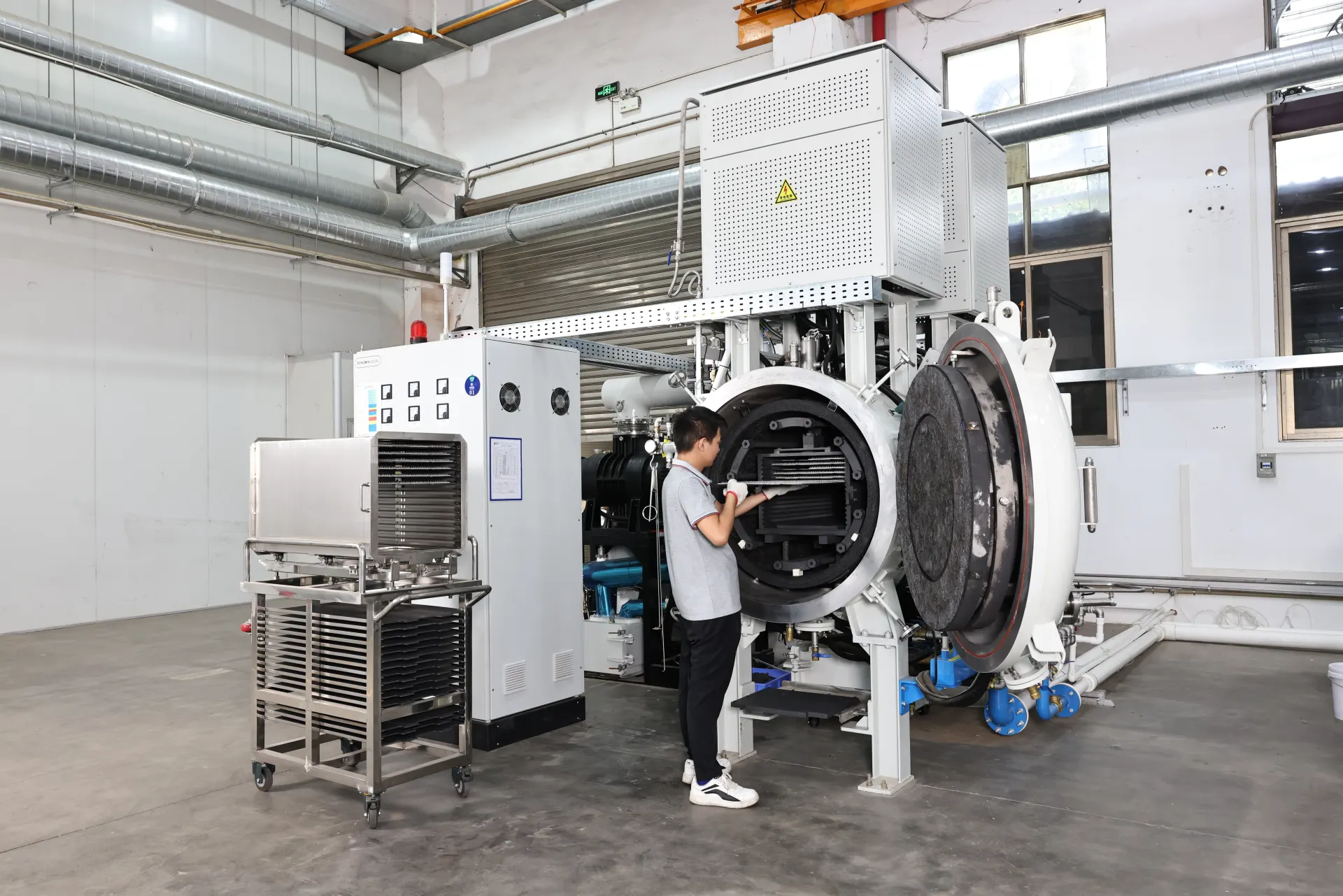
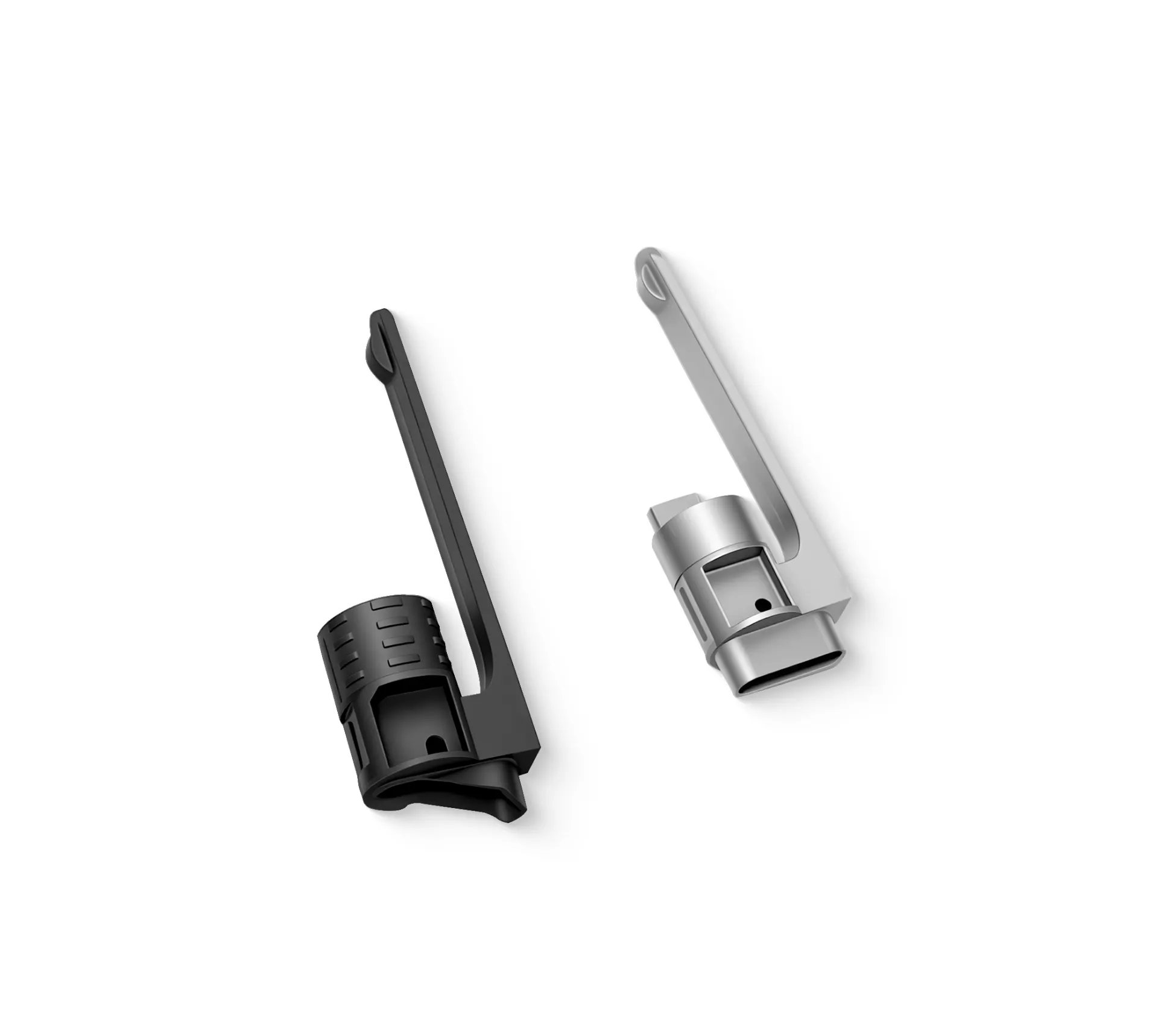
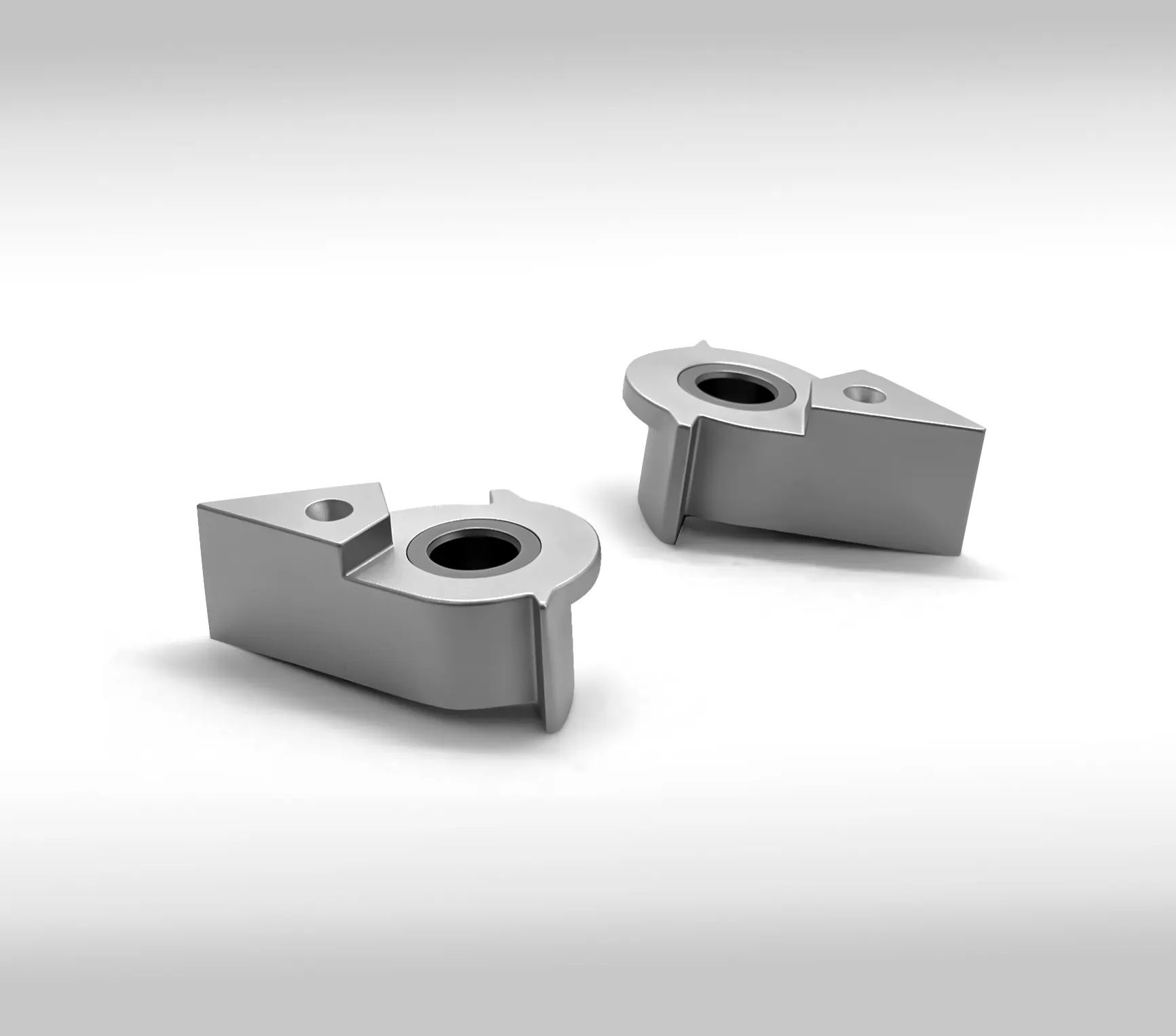
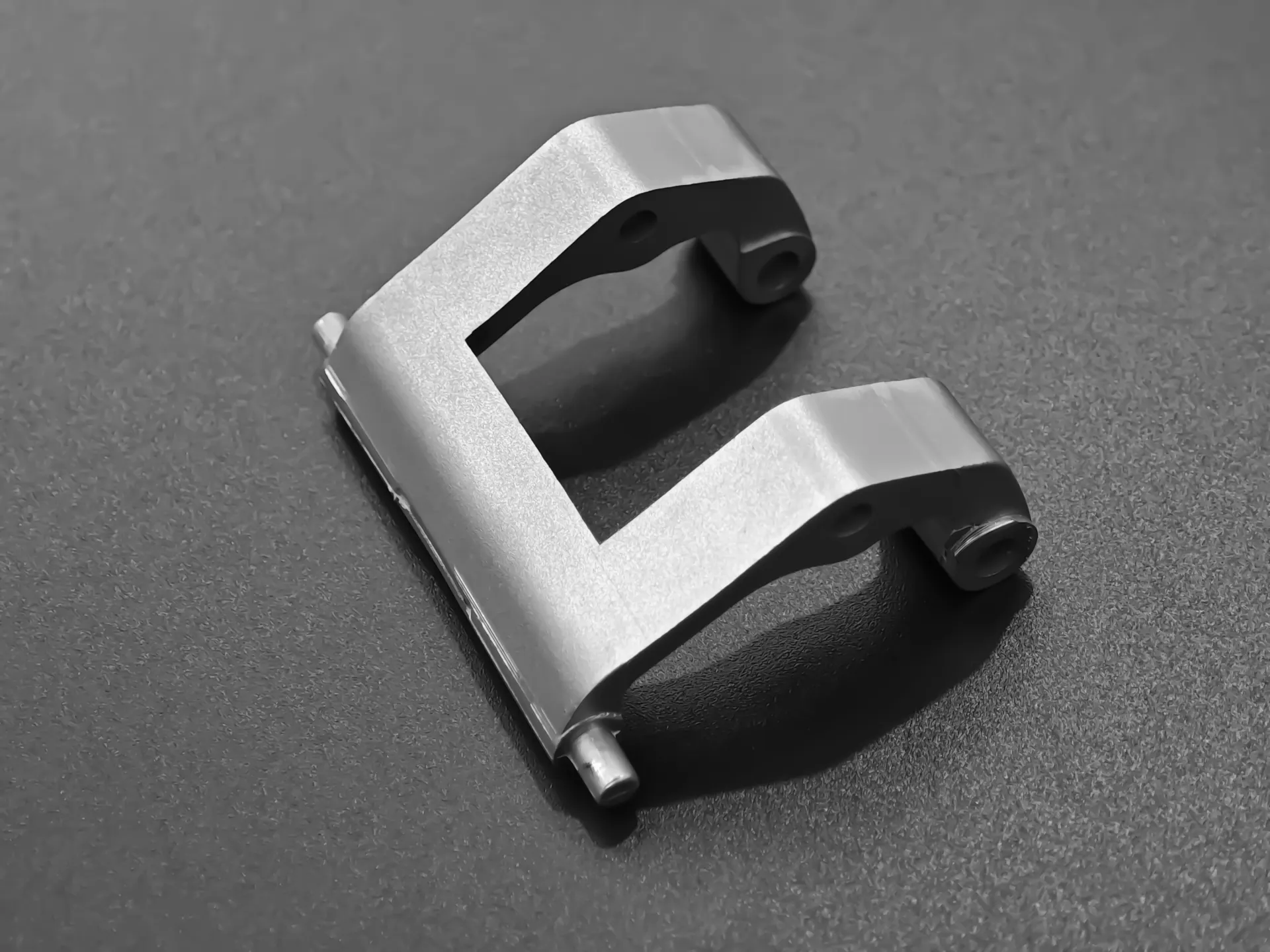
MIM (Metal Injection Molding) materials are mainly composed of ultra-fine metal powders (usually < 20μm) mixed with binders (wax, plastic). They include iron-based, stainless steel, nickel-based, titanium alloys, and hard alloys, etc. This material is suitable for large-scale production of precise, complex three-dimensional shapes, high-density (usually > 95%) micro-sized metal parts.
一、Core Raw Materials: Feedstock
The raw material used in MIM is called "feedstock", which is a mixture of metal powder and organic binder.
Metal powder: Approximately 50% - 65% (by volume). The particle size of the powder is usually between 0.5μm and 20μm, much finer than the powder used in traditional powder metallurgy (about 100μm).
Binder: Composed of high-molecular materials such as thermoplastic plastics (such as polypropylene PP) and waxes (such as paraffin), it provides fluidity to assist in the molding process.
二、Classification of Commonly Used Materials
Material CategoryCommon Grades/CompositionsKey Properties & ApplicationsStainless Steel17-4PH, 316L, 420, 304LMost widely used. 17-4PH features high strength and corrosion resistance, extensively applied in automotive and IT industries; 316L offers superior corrosion resistance for medical devices and watches.Low Alloy SteelFe-2Ni, Fe-7Ni, 4140Excellent hardness and tensile strength, suitable for high-stress structural components.Tool SteelM2, M42, D2High hardness and wear resistance, ideal for cutting tools and molds.Titanium & Titanium AlloysTi-6Al-4VLightweight with excellent biocompatibility, adopted in aerospace and medical implants.Soft Magnetic AlloysFe-Si, Fe-Ni (Permalloy), Carbonyl Iron PowderOutstanding magnetic permeability, used as core parts for sensors, relays and solenoid valves.Special AlloysCobalt-Chromium-Molybdenum (F75), Kovar, Tungsten AlloyF75 is applied in orthopedic medical implants; Kovar serves for packaging of electronic vacuum assemblies.
三、 Economic Considerations in Material Selection
Weight and Size: MIM is most suitable for producing small precision parts with a weight ranging from 0.1g to 50g, with the wall thickness typically controlled between 0.5mm and 5mm.
Density: After sintering, the density of MIM parts can reach 95% – 99.5%, making their mechanical properties far superior to those of traditional powder metallurgy and approaching those of forged materials.
Production Scale: Due to the high cost of molds, MIM is usually used for large-scaleproduction with an annual output of over 10,000 pieces.
Share on Social: