



Metal Injection Molding (MIM) Services: High-Precision Custom Metal Parts Manufacturing

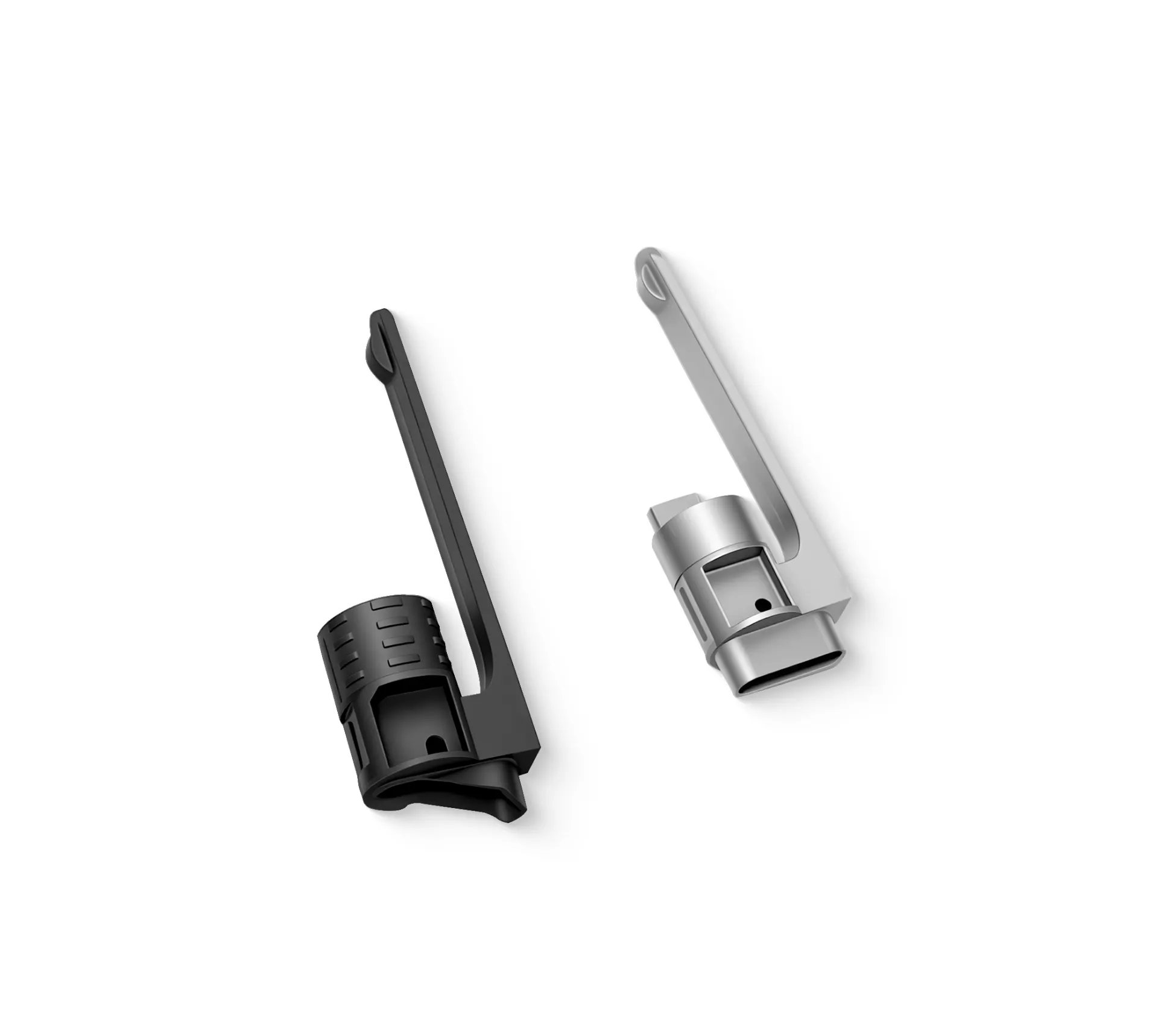
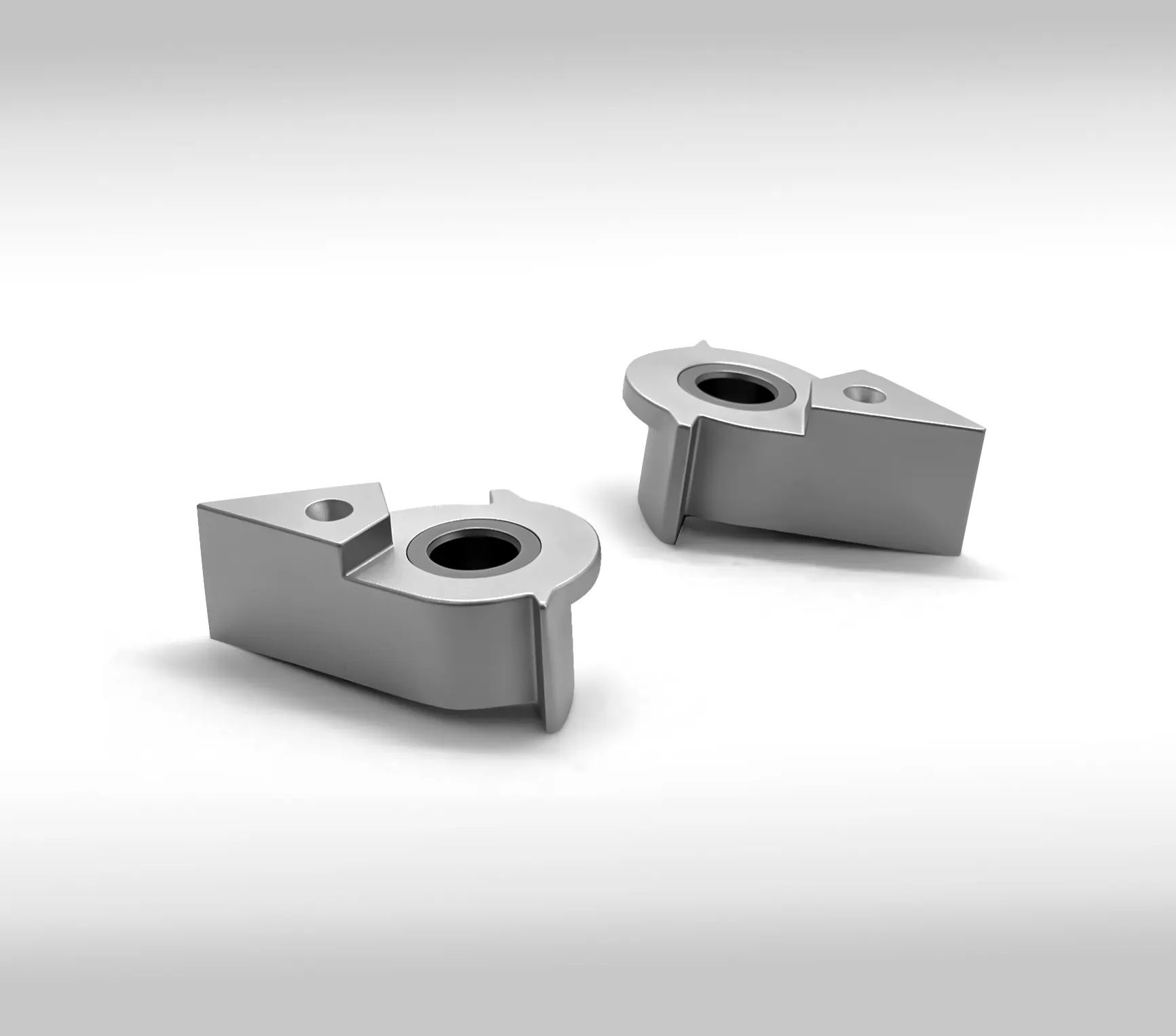
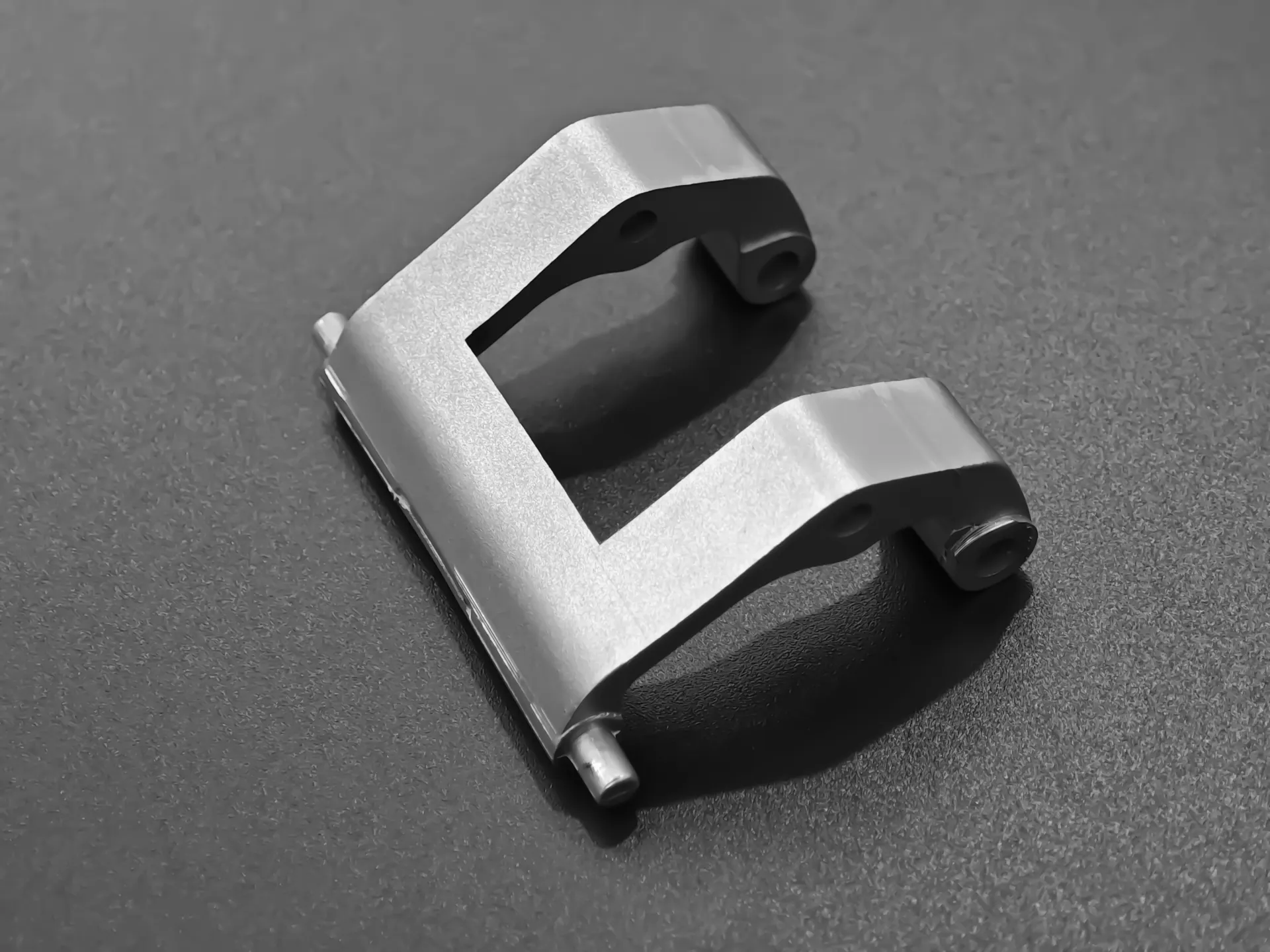
Producing small, highly complex metal components with consistent quality can be a major challenge. Traditional CNC machining often incurs excessive material waste and high labor costs, while conventional die-casting struggles with fine geometric details.
Metal Injection Molding services bridge this gap by combining the complex shape-making capability of plastic injection molding with the material strength and durability of metal powder metallurgy.
Whether you are designing medical devices, automotive components, consumer electronics, or aerospace hardware, custom metal injection molding services offer an optimal balance between precision, material efficiency, and mass production economy.
What is Metal Injection Molding Services?
Metal Injection Molding Services is an advanced powder metallurgy process designed for manufacturing net-shape or near-net-shape metal parts. The process mixes fine metal powders with a polymeric binder system to create a feedstock. This feedstock is then heated and injected into a mold cavity to form a complex "green part."
Fine Metal Powder + Polymer Binder ➔ Feedstock ➔ Injection Molding ➔ Debinding ➔ Sintering ➔ High-Density Final Part
After molding, the component goes through a two-step conditioning process:
Debinding: Removing the primary plastic binder via solvent or thermal methods (producing a "brown part").
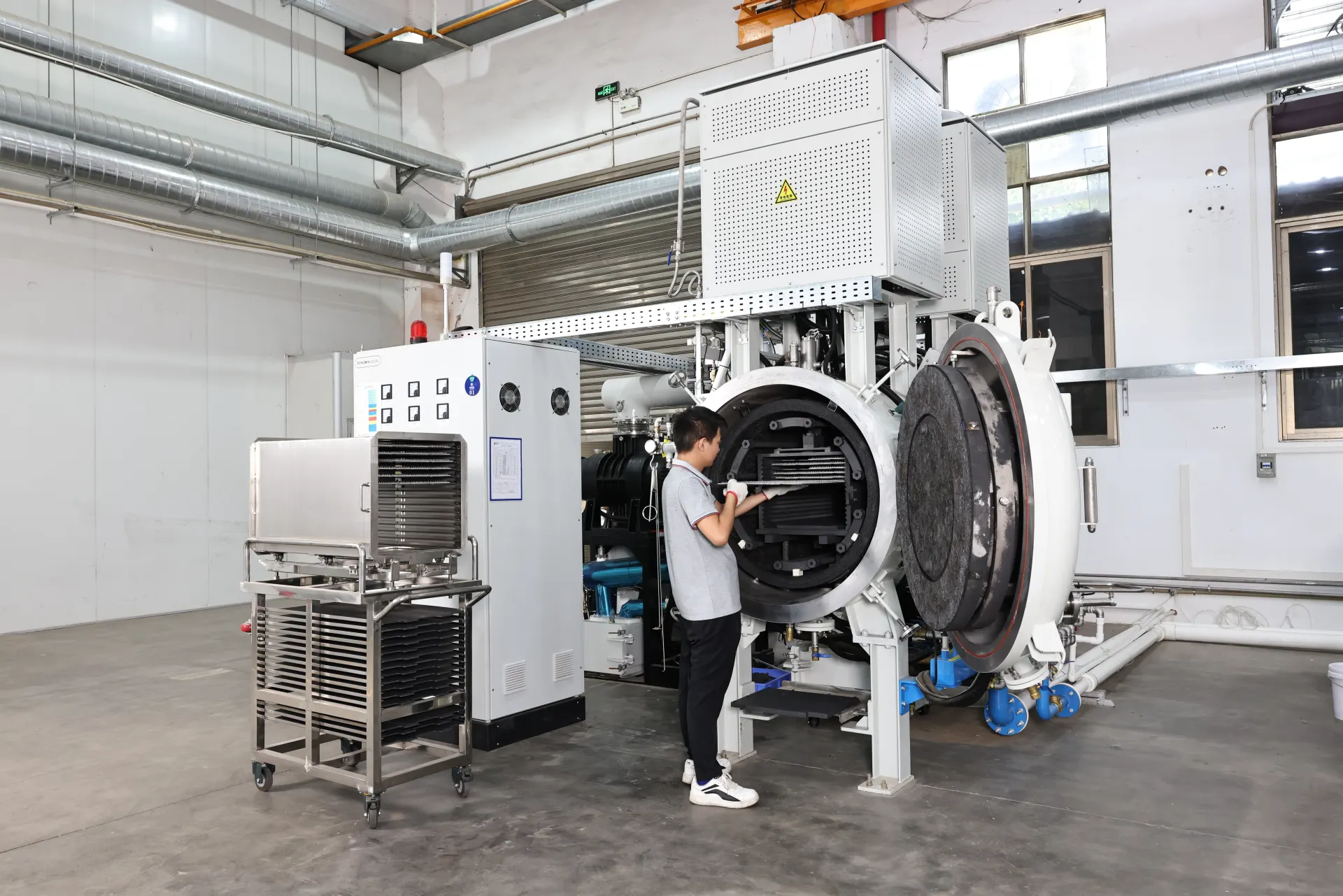
Sintering: Heating the part in a controlled atmosphere furnace close to the metal’s melting point. This fuses the powder particles, achieving 95% to 99% theoretical density and final strength comparable to wrought materials.
Key Advantages of Professional MIM Services
Partnering with an experienced MIM manufacturer brings critical production advantages:
| Advantage | Benefit to Product Designers & Manufacturers |
| Complex Geometries | Easily forms thin walls, internal threads, cross-holes, undercuts, and knurling without secondary machining. |
| High Repeatability | Maintains dimensional tolerances typically around±0.3%-±0.5%, ensuring consistent batch-to-batch quality. |
| Material Efficiency | Achieves over 95% raw material utilization, dramatically reducing waste compared to subtractive CNC milling. |
| Part Consolidation | Combines multiple assembled components into a single, seamless MIM design, lowering assembly costs. |
| Cost-Effective Mass Production | Significantly lowers per-unit costs for high-volume orders (typically $1,000+$ to millions of units/year). |
Common Materials Used in MIM Manufacturing
Choosing the right alloy is essential for achieving desired mechanical properties, corrosion resistance, and thermal performance. Our MIM services support a broad range of metal alloys:
Stainless Steels (316L, 17-4PH, 304, 420): Widely used for medical tools, marine equipment, and consumer wearables where corrosion resistance and strength are required.
Low Alloy Steels (4140, 8620, 4605): Ideal for automotive gears, power tools, and high-wear industrial hardware needing heat treatment.
Tool Steels (M2, M3, SKD11): Excellent choice for wear plates, cutting tools, and high-stress industrial applications requiring high hardness.
Titanium Alloys (Ti-6Al-4V): Lightweight with high bio-compatibility, perfect for medical implants, aerospace fasteners, and high-end consumer tech.
Tungsten & Heavy Alloys: Preferred for balance weights, radiation shielding, and defense equipment requiring high density.
Manufacturing Process Comparison: MIM vs. Other Methods
To help engineering teams choose the right process, here is how Metal Injection Molding compares to traditional manufacturing techniques:
| Feature | Metal Injection Molding (MIM) | CNC Machining | Investment Casting | Conventional Powder Metallurgy |
| Part Complexity | Very High | Moderate to High | High | Low to Moderate |
| Material Utilization | >95% | Low (High Scrap) | Moderate | High |
| Ideal Production Volume | Medium to Mass (1k - 1M+) | Prototype to Low Volume | Low to Medium | High Volume |
| Surface Finish ($R_a$) | 1.0 – 1.6 μm | Varies | 3.2 – 6.3 μm | 2.0 – 4.0 μm |
| Density Achieved | 95% – 99% | 100% | 100% | 85% – 92% |
Key Applications Across Industries
Due to its high performance and cost advantages, MIM technology serves a variety of demanding sectors:
Medical & Dental: Surgical instruments, orthodontic brackets, endoscopic tools, and implantable housings.
Consumer Electronics: Smartphone hinges, camera ring mounts, smartwatch casings, and connector pins.
Automotive: Turbocharger vanes, fuel injection nozzle parts, lock actuators, and sensor housings.
Aerospace & Defense: Micro-actuator parts, sealed fittings, firing pins, and optical mount brackets.
Industrial Tools: Thread cutters, pneumatic valve spools, and complex lock cylinders.
Design Guidelines for MIM Parts
To maximize cost savings and performance when designing for MIM manufacturing, keep these rules of thumb in mind:
💡 Pro Design Tip:
Weight Range: Optimal for parts weighing 0.1g to 100g (can extend up to 250g).
Wall Thickness: Maintain uniform wall thickness between 0.5 mm and 6.0 mm to minimize warping or sinking during sintering.
Radii & Fillets: Add generous radii to internal corners to reduce stress concentration and improve feedstock flow.
Why Choose Our Custom Metal Injection Molding Services?
Whether you are looking to lower unit costs for existing products or require rapid prototyping and mass-scale production for a breakthrough device, our turn-key MIM services deliver precision from concept to delivery.
End-to-End Solutions: In-house tooling development, feedstock preparation, molding, debinding, sintering, and secondary finishing (heat treatment, electroplating, CNC fine-tuning).
Strict Quality Control: ISO 9001 and ISO 13485 certified facilities with full CMM inspection, density testing, and microstructural analysis.
DFM Engineering Support: Our engineering team assists with Design for Manufacturability (DFM) to optimize your CAD files for MIM feasibility and cost savings.
Ready to Optimize Your Complex Metal Components?
Contact our engineering team today to receive a comprehensive DFM evaluation and a fast, competitive quote for your Metal Injection Molding (MIM) project!
Contact Information:
Email: Yuliya.chen@yizemould.com
Telephone/WhatsApp: +86 13342659272
Share on Social: