what is metal injection molding
By Yizejing
09, 2026
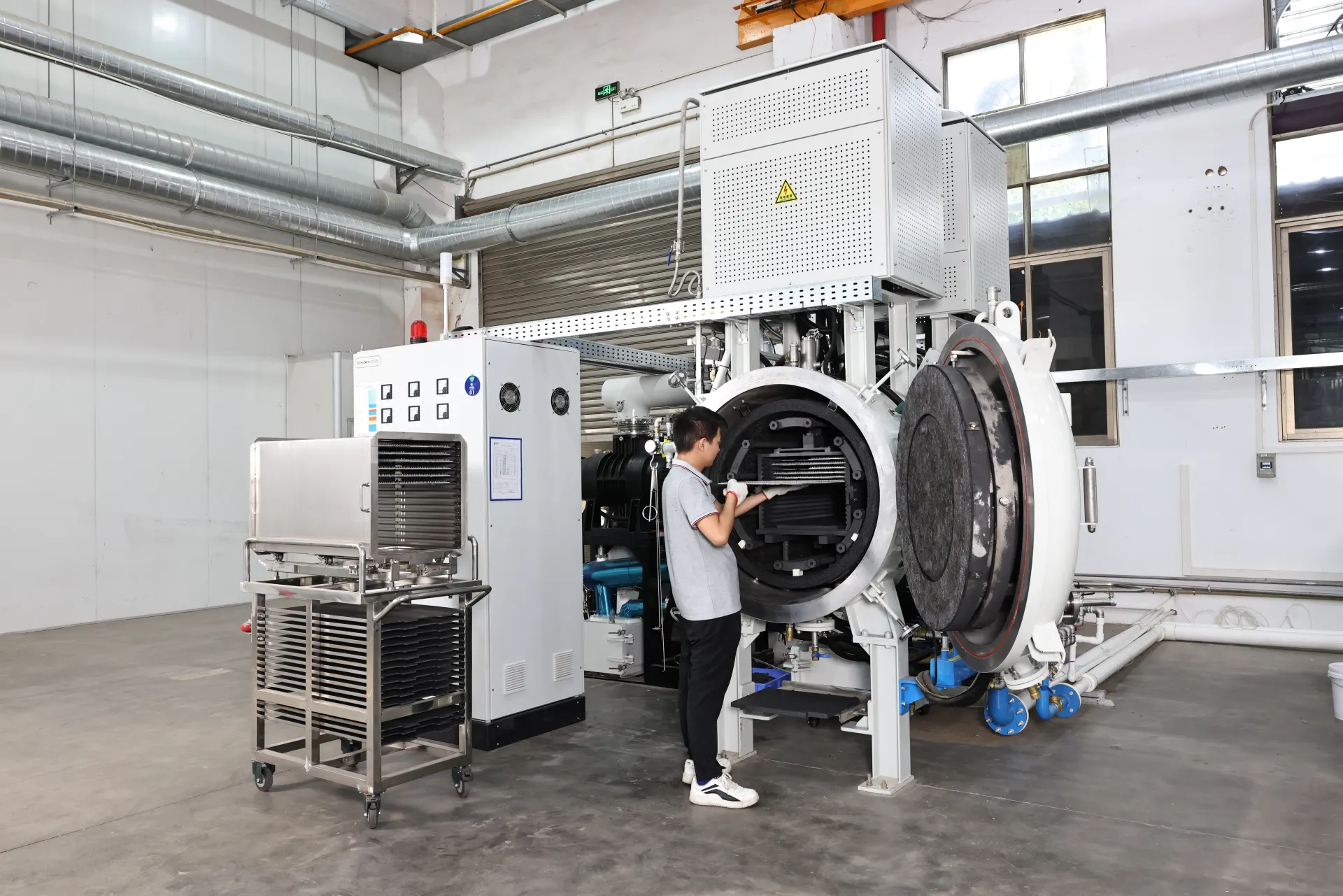
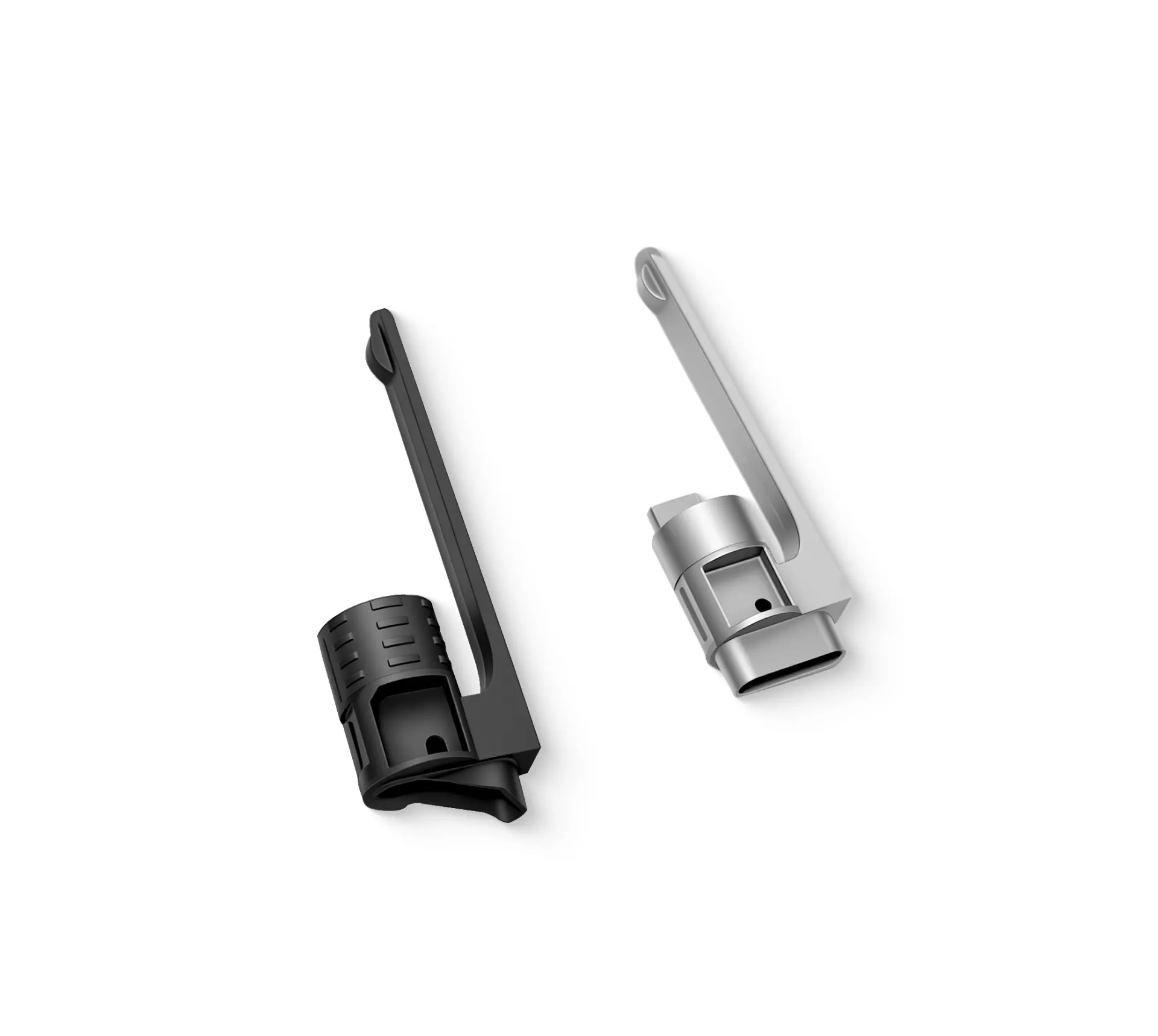
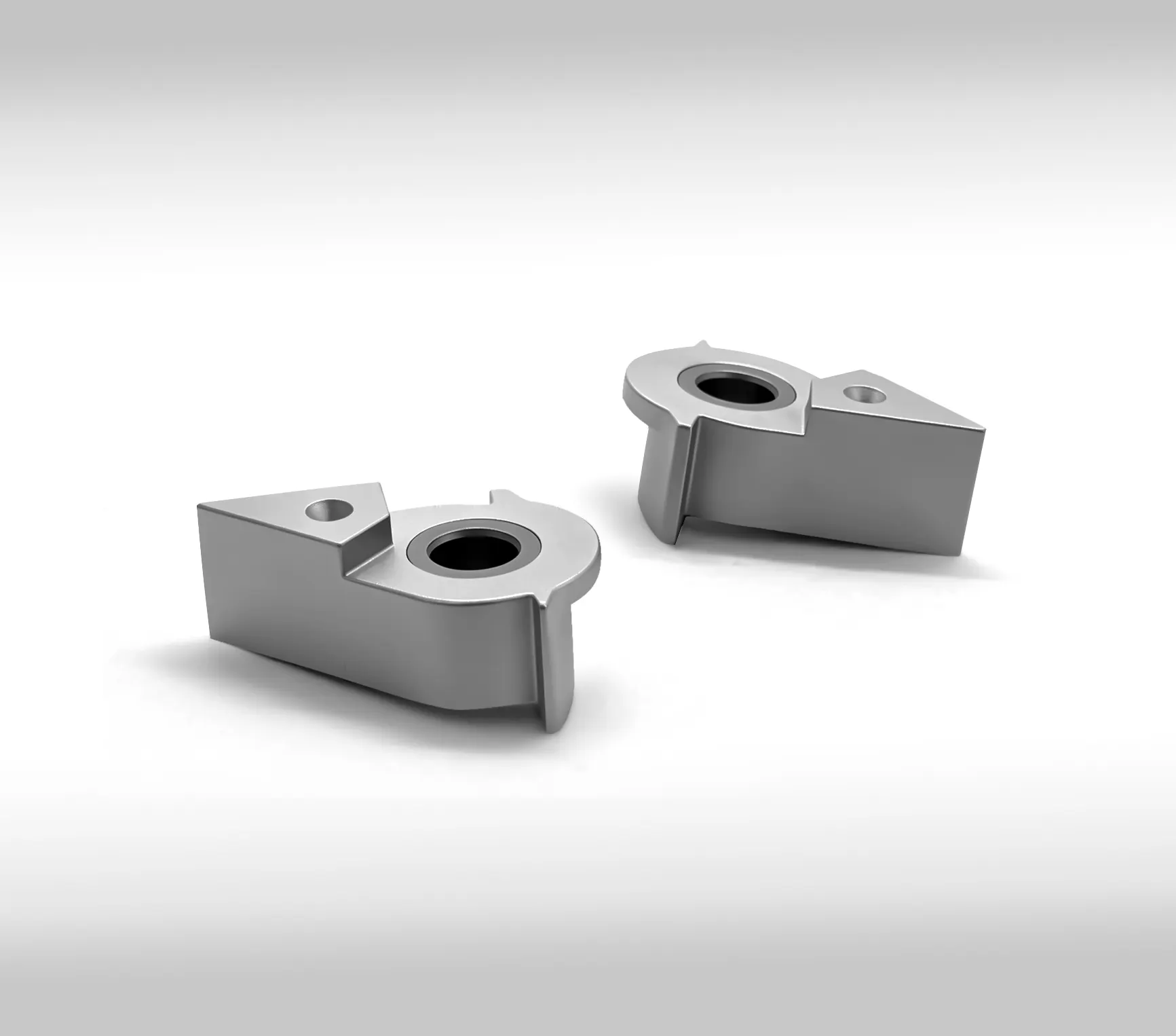
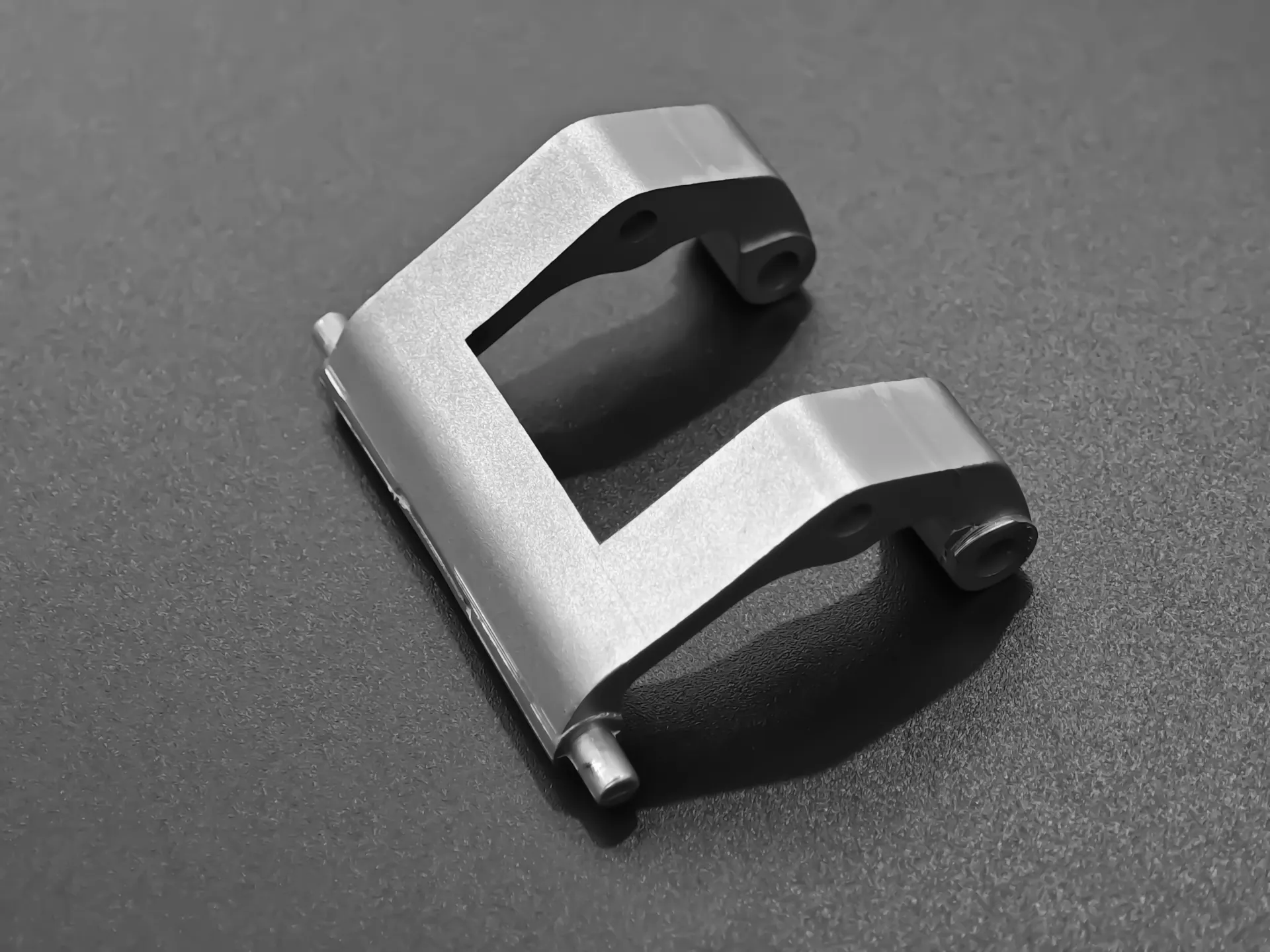
Are you struggling to produce high-volume, highly complex metal components without racking up astronomical CNC machining costs? Traditional manufacturing methods often force a painful tradeoff: either simplify your design to fit machining capabilities or pay prohibitive costs for intricate, multi-axis milling and scrap material.
When your design features complex geometries, tight tolerances, and high production volumes, standard metalworking methods fall short. Metal Injection Molding (MIM) solves this dilemma by blending the design flexibility of plastic injection molding with the material strength and thermal properties of real metals.
What is Metal Injection Molding (MIM)?
Metal Injection Molding (MIM) is a powder metallurgy process that mixes fine metal powders with a polymeric binder material to create a "feedstock" that can be molded using standard injection molding equipment.
MIM is ideal for small, highly intricate metal components that would be too costly or difficult to produce using conventional metalworking techniques like traditional machining or investment casting.
The 4-Step Metal Injection Molding Process
Feedstock Preparation: Fine metal powder (typically under 20 microns) is compounded with a thermoplastic binder system (plastics and waxes) at elevated temperatures to form a homogeneous feedstock mixture.
Injection Molding: The feedstock is heated and injected under pressure into a mold cavity using standard plastic injection molding machines, creating a green part that is roughly 15–20% larger than the final product.
Debinding: The binder material is selectively removed from the green part through thermal, solvent, or catalytic processes. The remaining porous component is known as a brown part.
Sintering: The brown part is heated in a controlled atmosphere furnace near the metal’s melting point. The metal particles fuse together, causing the part to shrink uniformly into a dense (95–99% relative density) metal component.
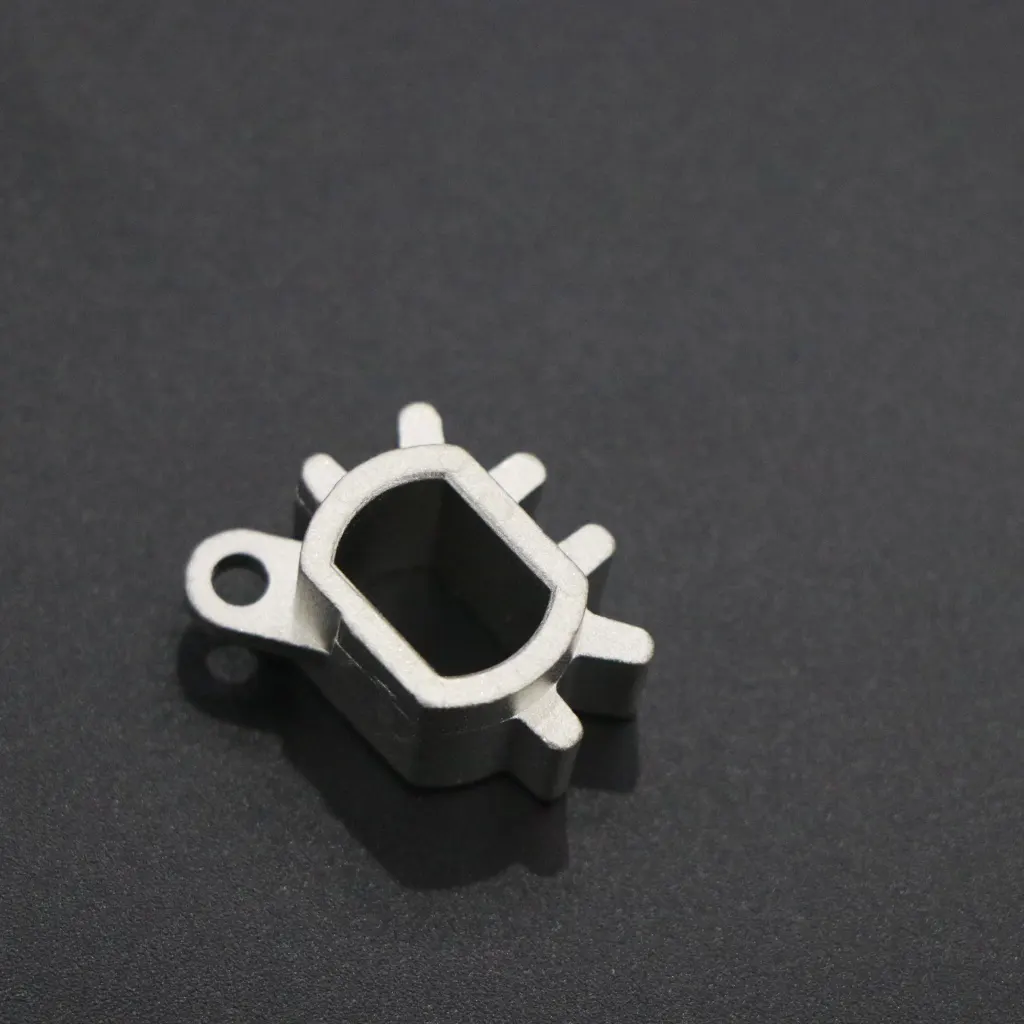
Common Materials Used in MIM
| Material Category | Common Alloys | Typical Applications |
| Stainless Steels | 316L, 17-4PH, 420 | Medical devices, surgical tools, consumer electronics |
| Tool Steels | M2, SKD11, D2 | Industrial cutting tools, wear-resistant parts |
| Low-Alloy Steels | 4140, 4605, 8620 | Automotive components, firearms, hardware |
| Titanium Alloys | Ti-6Al-4V | Aerospace fasteners, biomedical implants |
MIM vs. CNC Machining vs. Die Casting
| Feature | Metal Injection Molding (MIM) | CNC Machining | Die Casting |
| Geometric Complexity | Extremely High | Moderate to High | Moderate |
| Production Volume | High (>10,000 units) | Low to Medium | High (>10,000 units) |
| Material Yield | High (~95% material utilization) | Low (significant scrap) | High |
| Material Options | Steels, Titanium, Copper | Nearly All Metals | Non-Ferrous Metals (Al, Zn, Mg) |
Metal Injection Molding bridges the gap between plastic molding flexibility and high-performance metal durability. If your project demands tens of thousands of complex, tight-tolerance metal components, MIM can drastically lower unit costs while maintaining structural integrity.
Frequently Asked Questions (FAQ)
Q1: What are the main design advantages of MIM?
MIM allows engineers to combine multiple individual components into a single complex part, incorporating features like internal threads, knurling, undercuts, and logos directly into the mold without requiring secondary machining steps.
Q2: How dense are MIM parts compared to wrought metal?
Sintered MIM components routinely reach 95% to 99% of theoretical density. As a result, their mechanical properties—such as tensile strength, elongation, and corrosion resistance—are virtually identical to wrought or machined metals.
Q3: What are the typical size and weight limits for MIM components?
MIM works best for small components weighing between 0.1 grams and 100 grams, with wall thicknesses ranging from 1 mm to 6 mm.
Share on Social:


-
PREV:
Null
What is MIM Process? Step-by-Step Metal Injection Molding Guide
- NEXT: Null