



What Is the Metal Injection Molding Process?

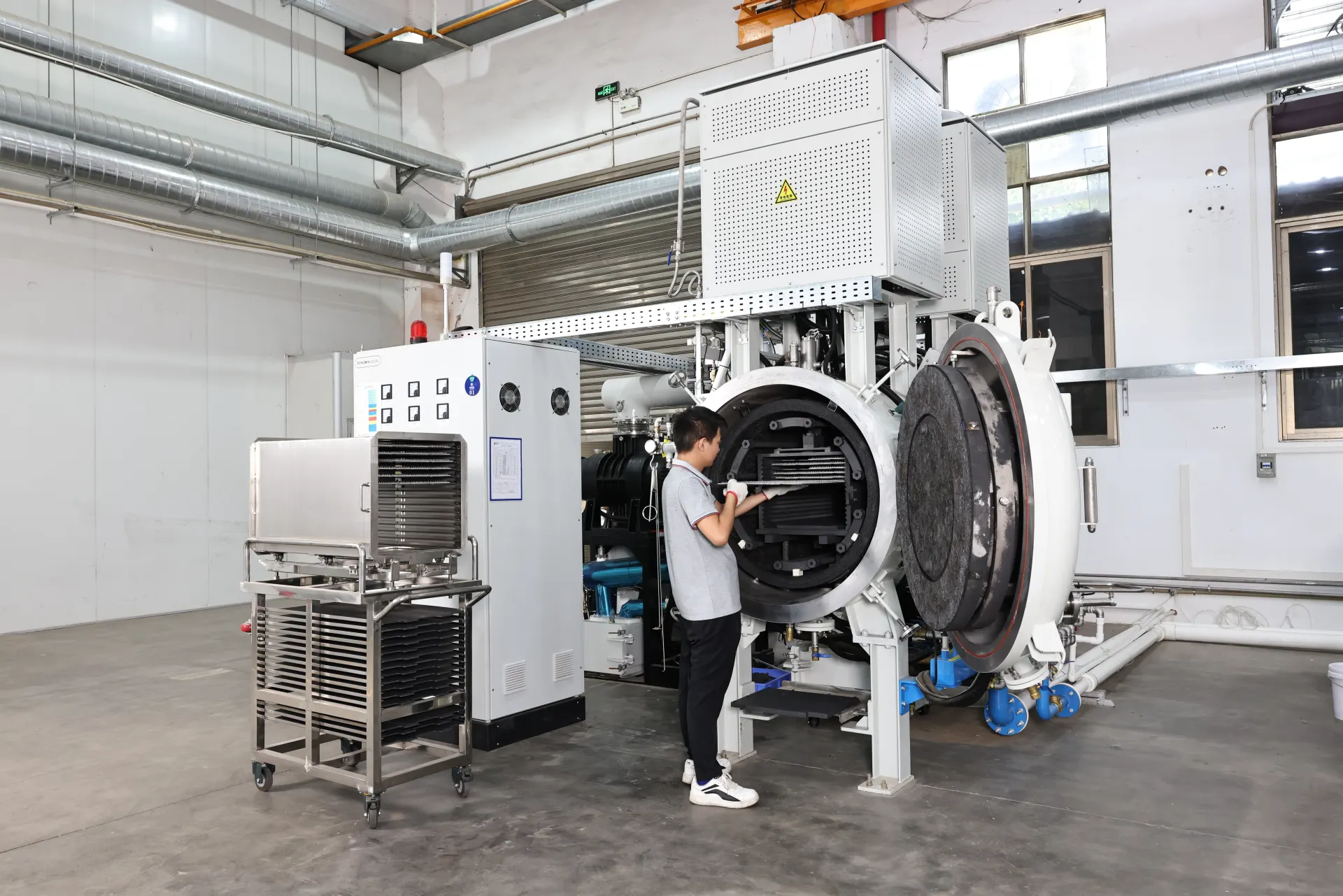
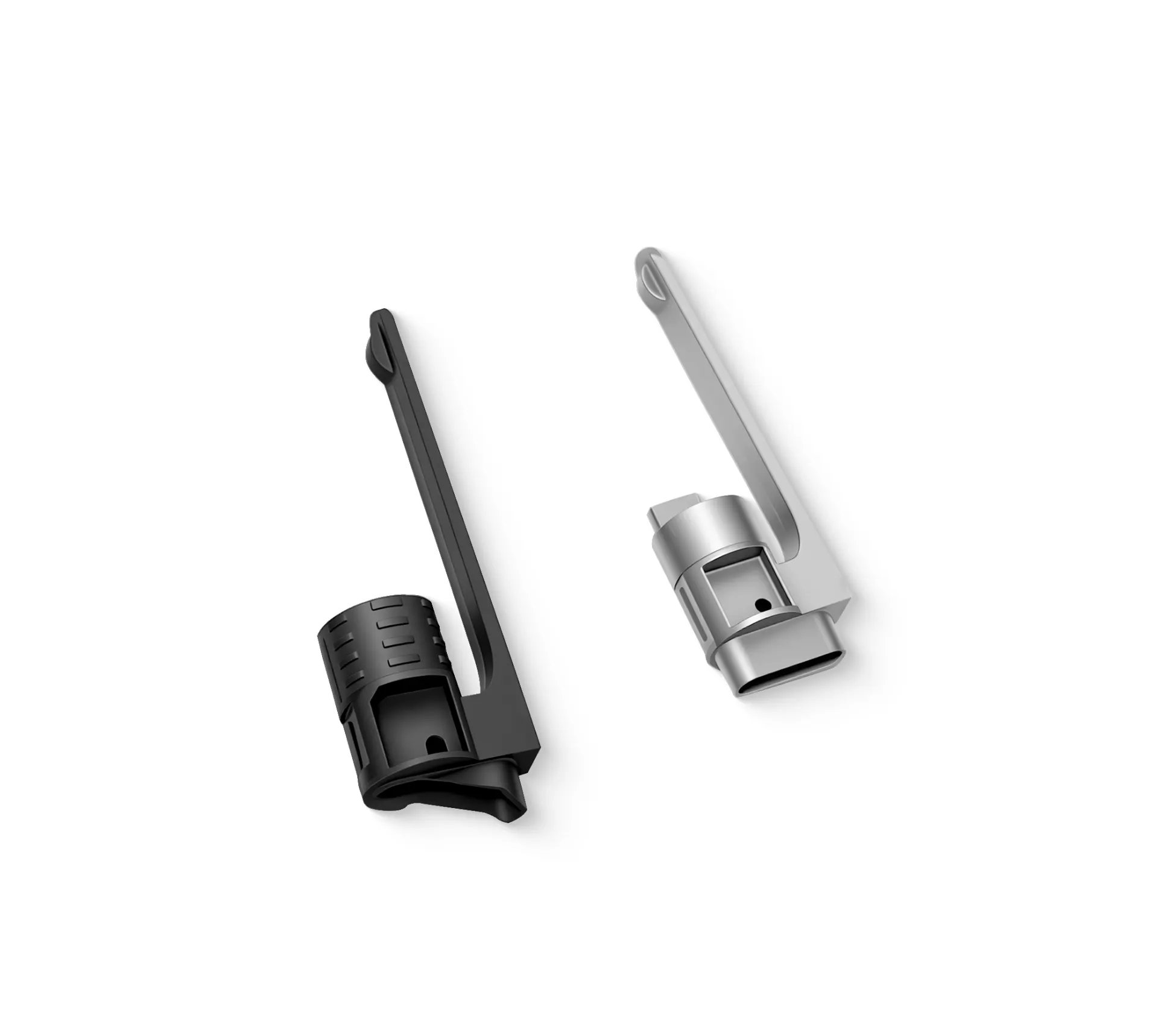
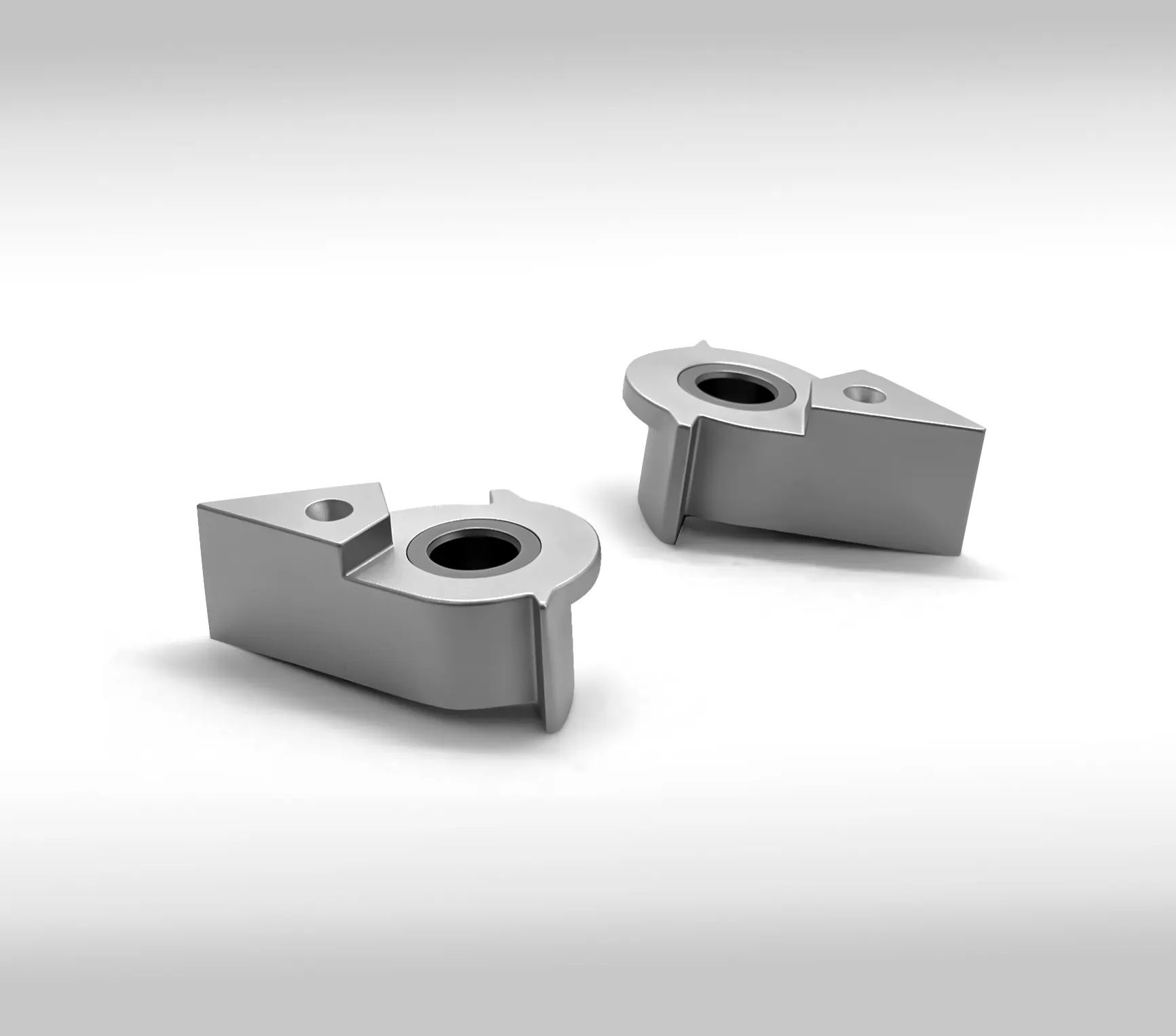
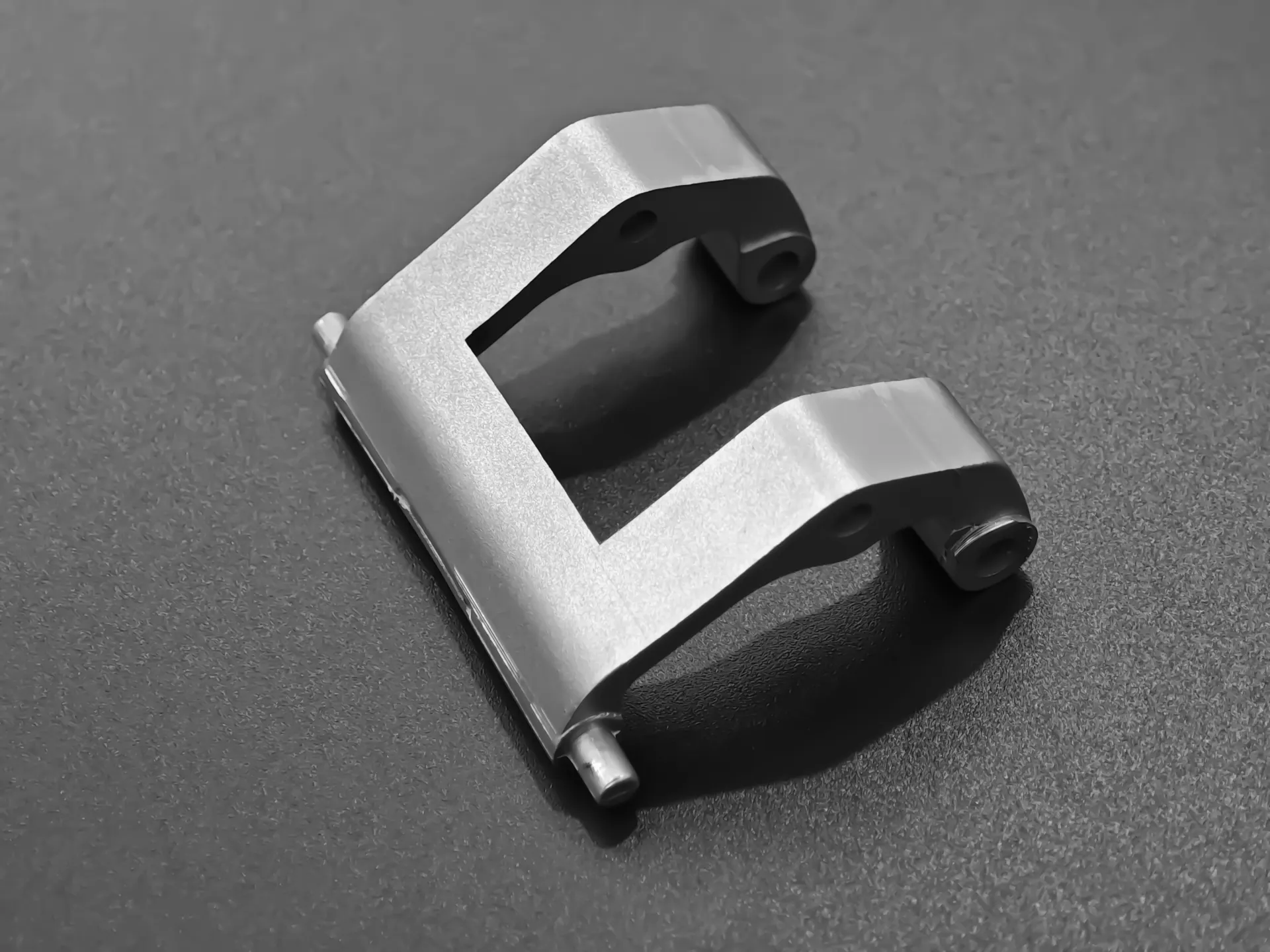
The metal injection molding process is an advanced manufacturing technology that combines plastic injection molding with powder metallurgy to produce complex metal components with high precision and excellent mechanical properties.
MIM is widely used in industries such as medical devices, automotive, electronics, aerospace, and consumer products because it enables the mass production of small, intricate metal parts with reduced machining costs.
The complete MIM manufacturing process includes six key steps:
Metal Powder Mixing → Feedstock Preparation → Injection Molding → Debinding → Sintering → Secondary Processing
1. Metal Powder Mixing
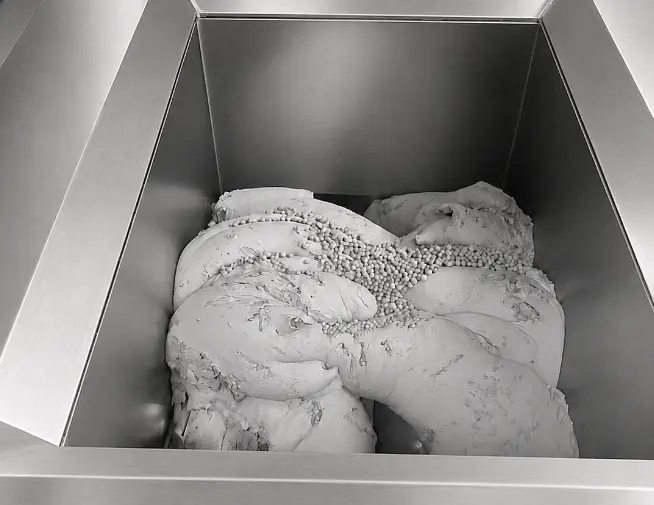
The first step of the metal injection molding process is preparing the raw material mixture.
Fine metal powders, such as stainless steel, titanium, cobalt-chrome, or nickel alloys, are combined with polymer binders to create a homogeneous feedstock.
The mixing process is critical because it directly affects:
- Material consistency
- Part strength
- Dimensional accuracy
- Final product quality
A well-controlled powder mixing process ensures stable performance during injection molding and sintering.
2. Feedstock Preparation
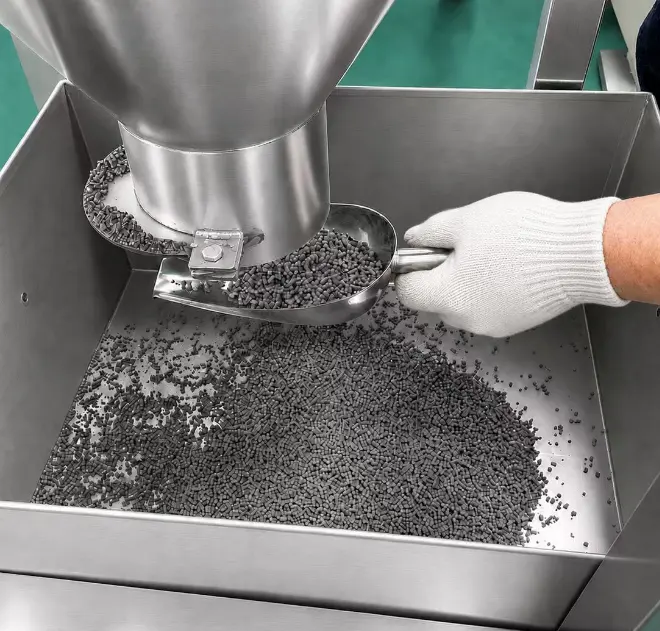
After mixing, the metal powder and binder materials are processed into injection-ready feedstock.
The feedstock is usually formed into small pellets, similar to plastic injection molding materials. These pellets allow the material to flow smoothly during the molding process.
High-quality MIM feedstock requires:
- Uniform powder distribution
- Proper binder content
- Excellent flow characteristics
- Stable molding performance
3. Injection Molding
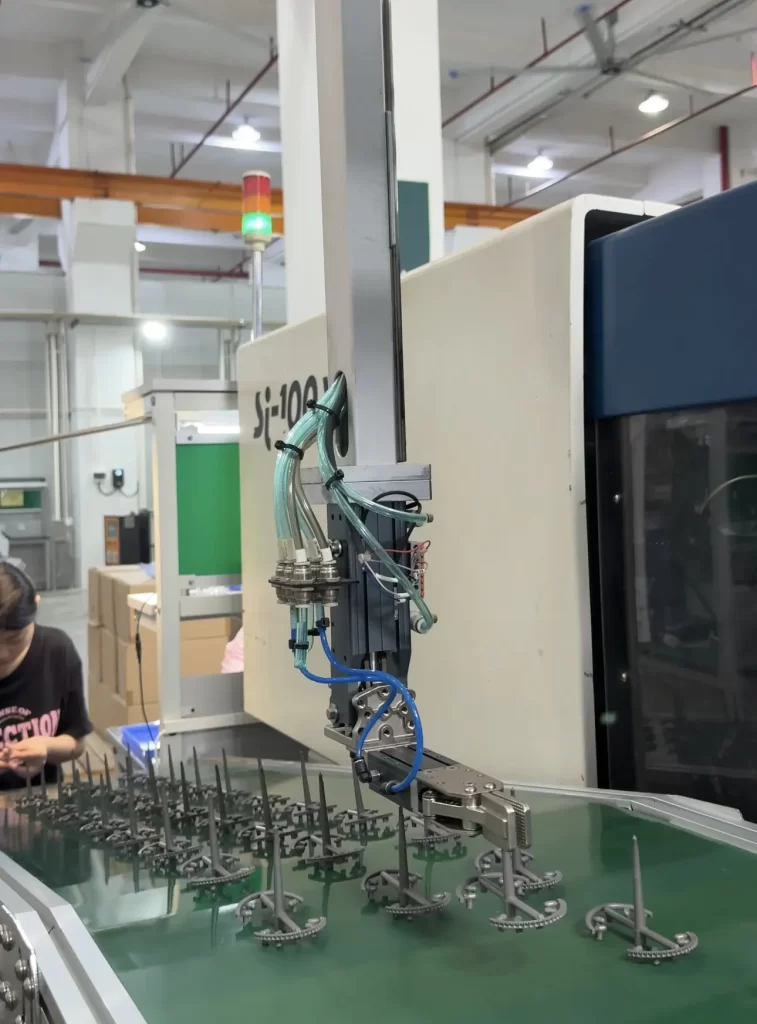
Injection molding is the stage where the MIM process becomes similar to traditional plastic injection molding.
The heated feedstock is injected into a precision mold under controlled pressure, creating a “green part”.
At this stage:
- The component has its final shape
- The binder is still present
- The part is larger than the final size because shrinkage occurs during sintering
Precision mold design and injection parameters play an important role in achieving consistent part quality.
4. Debinding
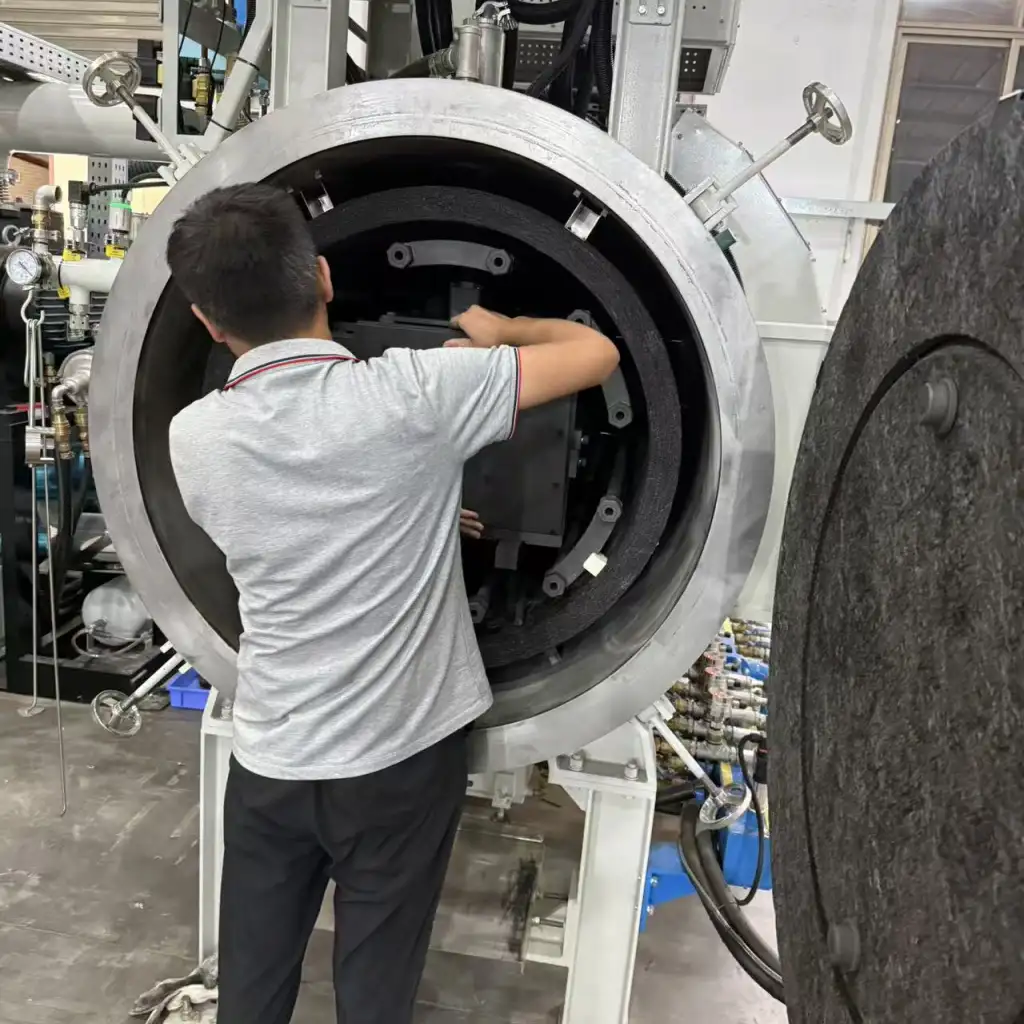
After injection molding, the binder system must be removed from the molded parts.
This process is called debinding.
During debinding:
- Polymer binders are gradually removed
- Internal structures are created for sintering
- Part geometry must be carefully maintained
Proper debinding control helps prevent defects such as:
- Cracking
- Deformation
- Internal voids
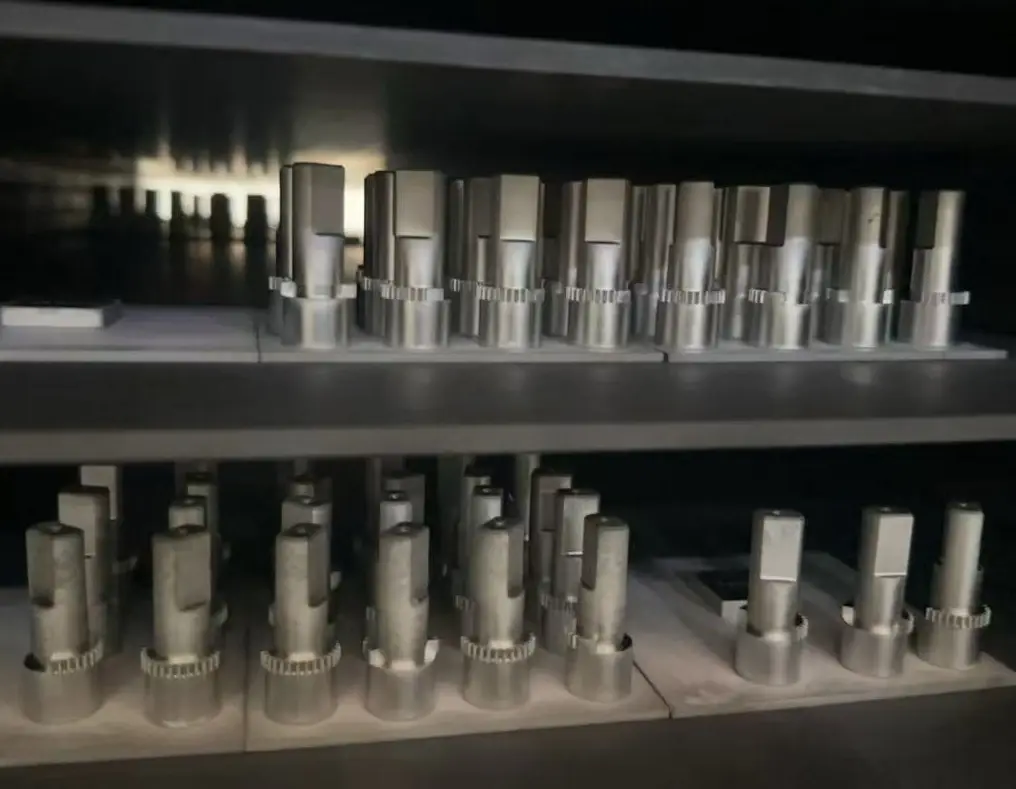
5. Sintering
Sintering is the most important stage in the metal injection molding process.
The debound parts are heated in a controlled atmosphere furnace at high temperatures, allowing metal particles to bond together.
During sintering:
- The part reaches its final density
- Mechanical properties improve significantly
- The component shrinks approximately 15–20%
A precise sintering process determines:
- Dimensional accuracy
- Strength
- Hardness
- Surface quality
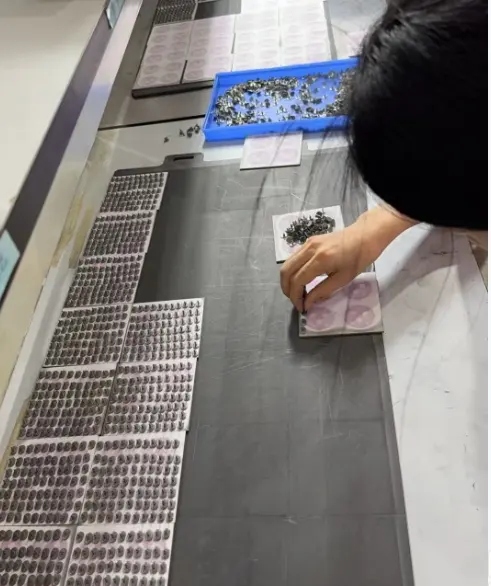
6. Secondary Processing
After sintering, additional processes may be required to achieve specific customer requirements.
Common secondary operations include:
- CNC machining
- Surface polishing
- Heat treatment
- Plating
- Laser marking
- Inspection and testing
These processes help improve appearance, tolerance, and functional performance.
Advantages of Metal Injection Molding Process
Compared with traditional machining methods, the MIM process provides several advantages:
Complex Geometries:MIM can manufacture small and complex metal parts that are difficult or expensive to machine.
High Production Efficiency:Once molds are developed, MIM supports high-volume production with consistent quality.
Material Utilization:The process produces minimal material waste compared with traditional machining.
Excellent Mechanical Properties:Sintered MIM parts provide strength and durability similar to conventional metal components.
How to Choose a Reliable Metal Injection Molding Manufacturer?
When selecting a MIM supplier, companies should consider:
- MIM manufacturing experience
- Material capabilities
- Mold design expertise
- Quality control systems
- Production capacity
- ISO certifications
- Global export experience
A professional metal injection molding company can provide complete solutions from mold design and material selection to mass production.
Yize metal meets all the above requirements. Please feel free to contact us.
Share on Social: