



Metal Injection Molding In Medical Applications Market

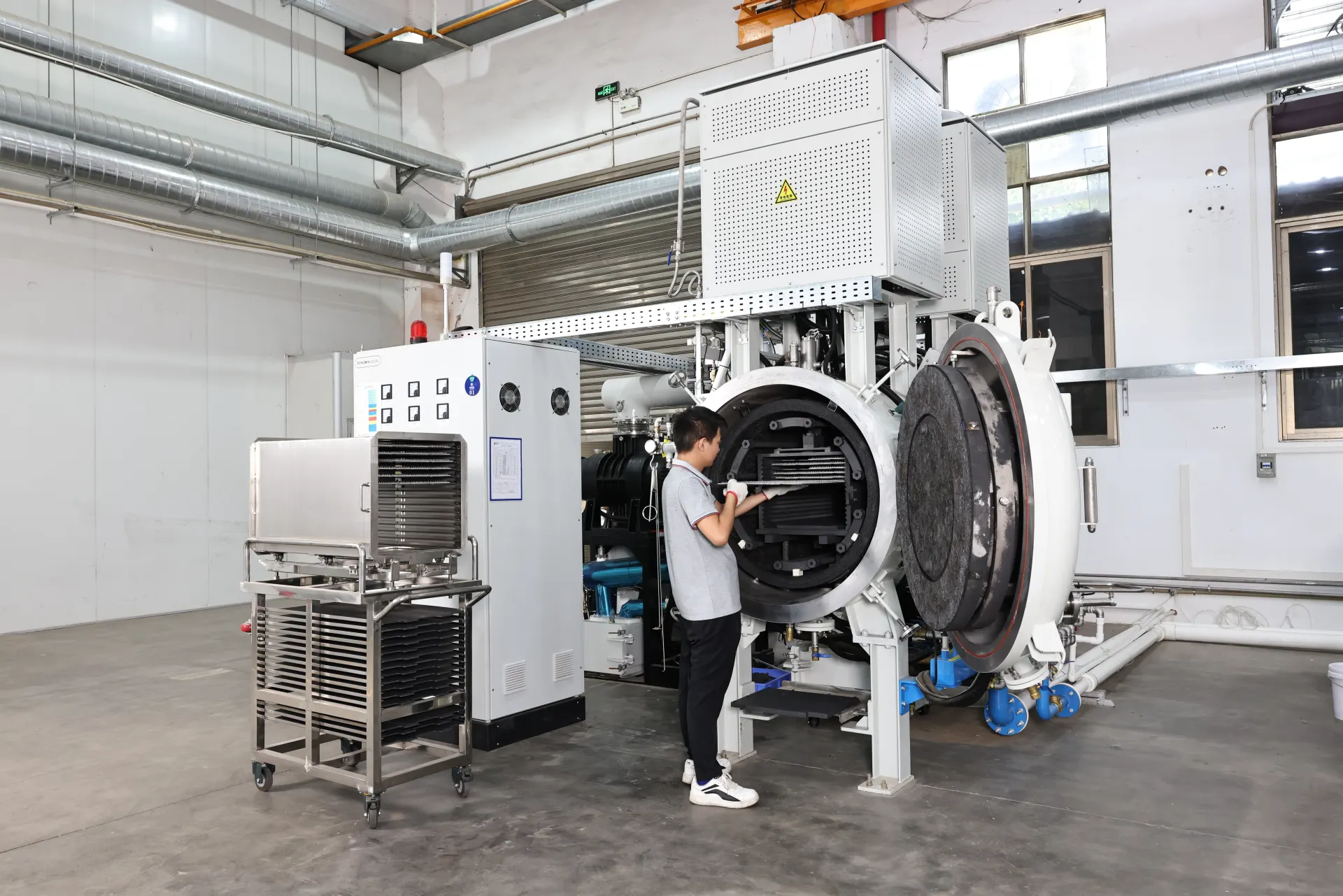
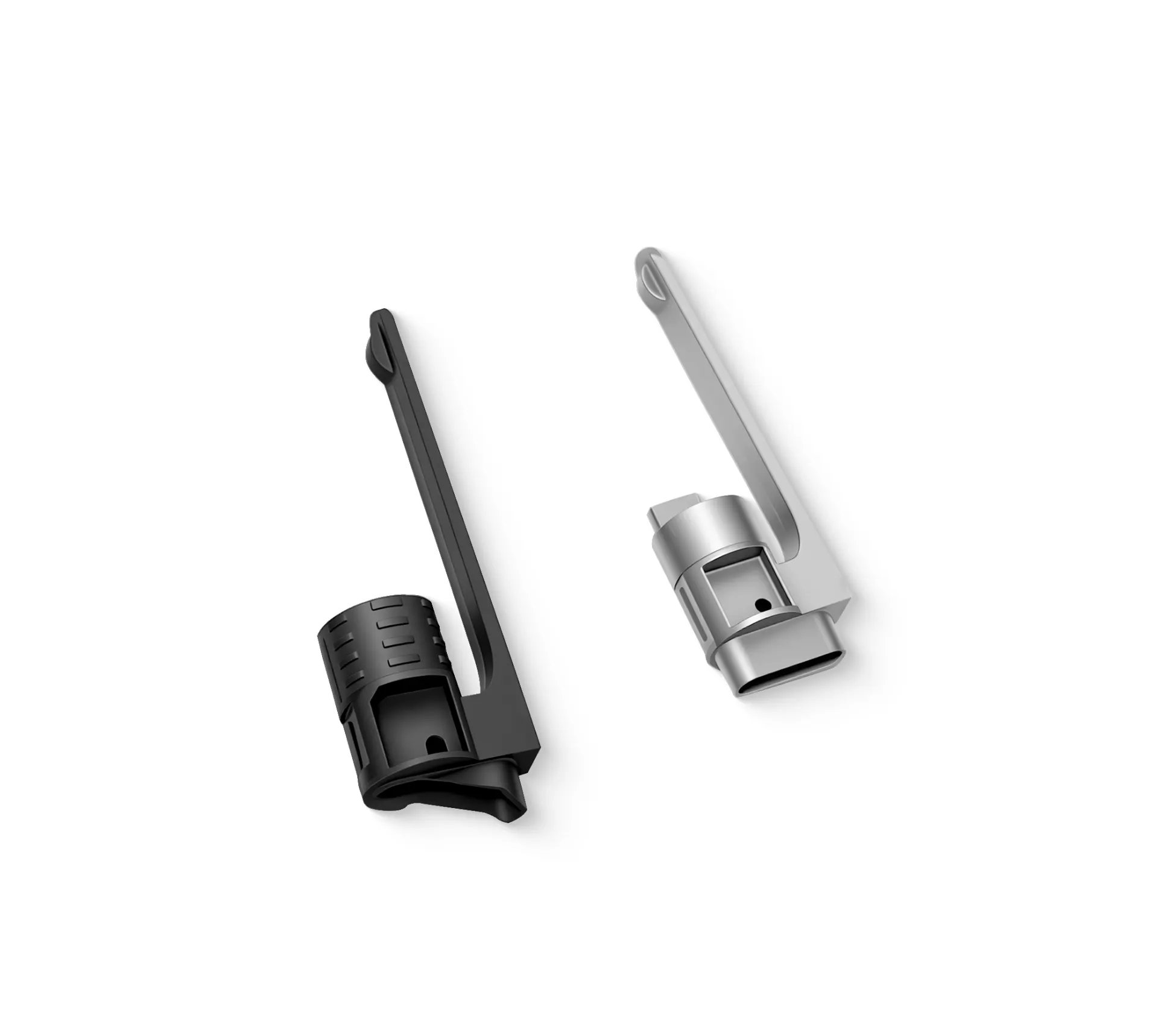
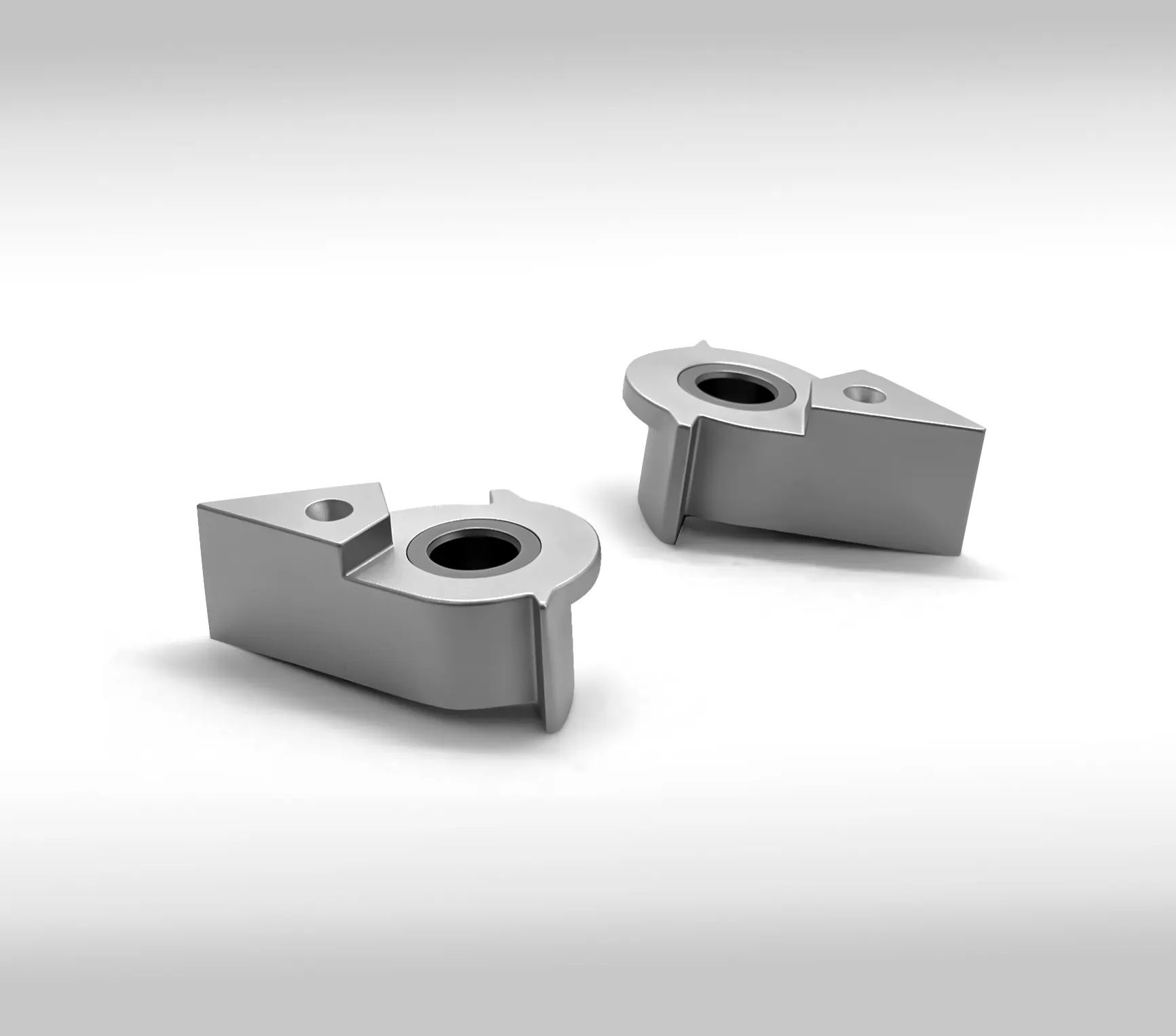
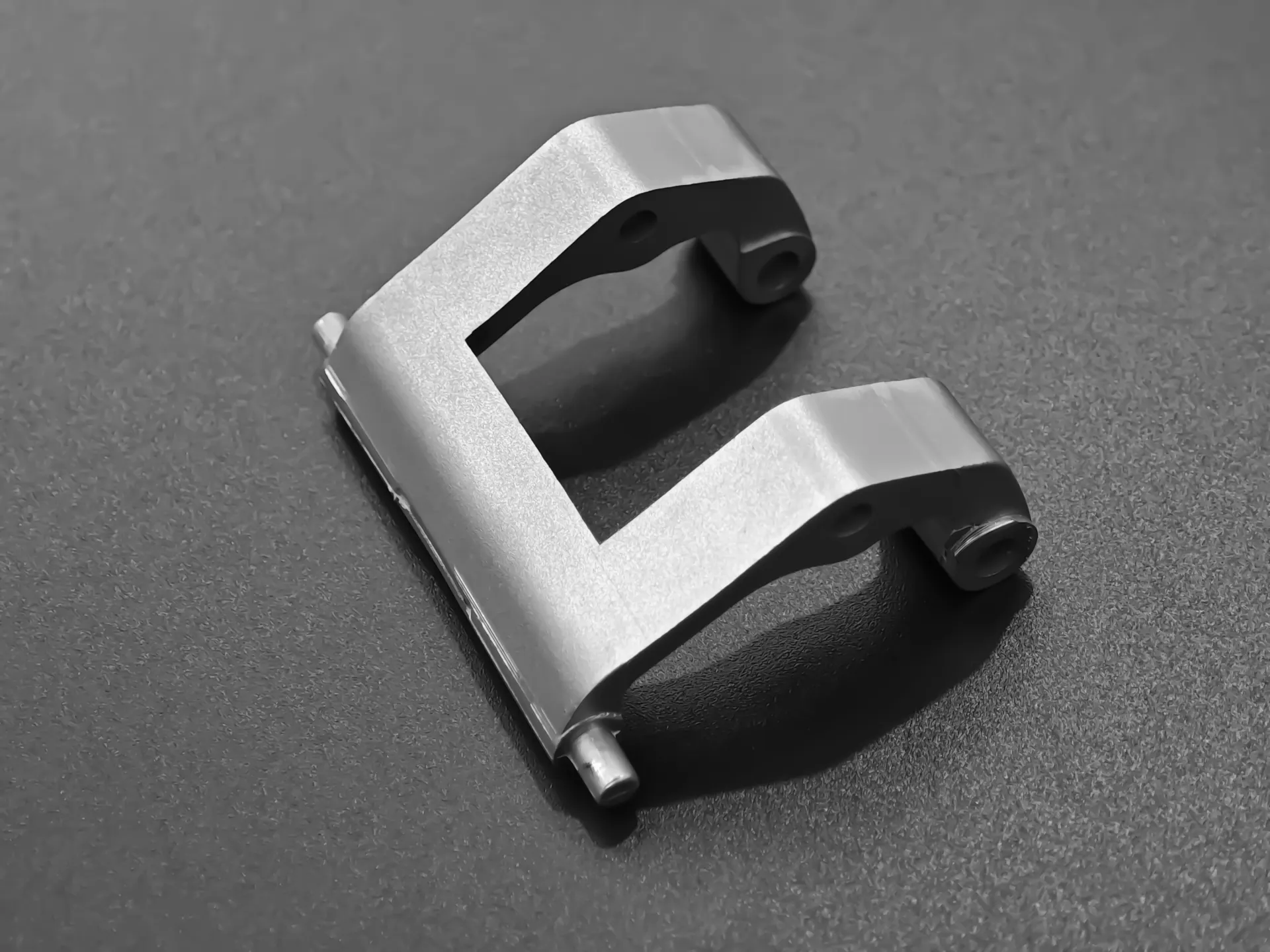
The market for Metal Injection Molding (MIM) in medical applications is experiencing rapid growth, driven by the increasing demand for high-precision, miniaturized, and biocompatible metal components.
MIM provides a cost-effective alternative to multi-axis CNC machining—reducing unit production costs by 30% to 70% for complex geometries produced at volume.
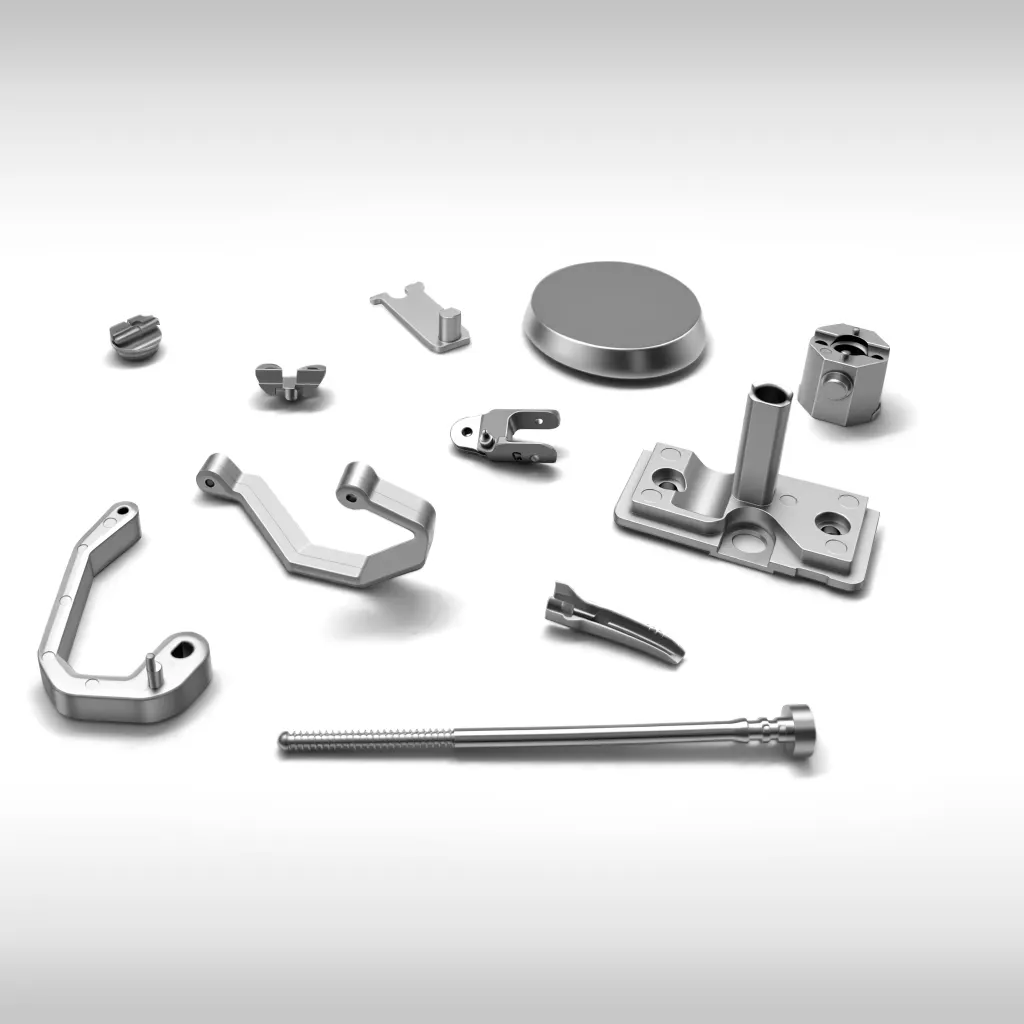
Medical MIM images
Market Valuation & Growth Dynamics
Market Size & Forecast: The global medical MIM market was valued at ~$1.88 Billion and is projected to expand to ~$5.01 Billion by 2035, registering a compound annual growth rate (CAGR) of ~9.3%.
Share of Broader MIM Industry: Medical and orthodontic applications represent approximately 14% to 15% of the entire global MIM market, making healthcare one of its fastest-growing end-use sectors alongside consumer electronics and automotive.
Regional Dominance: North America and Europe lead in medical MIM adoption due to advanced surgical infrastructure and medical device OEMs, while Asia-Pacific is the fastest-growing manufacturing hub for medical MIM components.
Primary Market Drivers
Rise in Minimally Invasive Surgeries (MIS): MIS procedures rely on miniaturized, high-strength instruments (e.g., endoscopic grippers, micro-forceps, and scissors) that require tight tolerances (±0.3% to ±0.5%) that MIM achieves naturally.
Growth of Surgical Robotics: Robotic surgery platforms require lightweight, ultra-precise micro-levers, linkages, and pulleys that can withstand high mechanical stress and repeated sterilization cycles.
Aging Global Population: Increasing global rates of osteoarthritis, dental loss, and cardiovascular conditions are fueling high-volume demand for orthopedic joint components, bone screws, and orthodontic brackets.
Material Yield & Cost Efficiency: Traditional CNC machining converts only 10–40% of expensive medical-grade titanium or stainless steel into the final part, whereas MIM achieves 95–98% material utilization.
Components of the beauty device
Key Application Segments
| Application Segment | Common MIM Components | Why MIM is Preferred |
| Surgical Instruments | Stapler jaws, scalpel handles, electrosurgical tips, needle holders, biopsy forceps | Complex internal channels (as small as 0.3 mm) and high corrosion resistance. |
| Orthodontics & Dental | Orthodontic brackets, palatal expanders, dental implant abutments | High repeatability for mass production (millions of units/year) with smooth surface finishes. |
| Orthopedic Implants | Bone screws, plates, anchors, spinal fusion cages | Near-net-shape forming of high-strength alloys; enables porous structures for bone ingrowth. |
| Drug Delivery Systems | Auto-injector mechanisms, wearable pump components, insulin pen drives | Micro-gear assemblies and spring retainers requiring high mechanical reliability. |
Dominant Medical Alloys
Stainless Steels (316L, 17-4PH, 420): Accounts for over 50% of the market share. Widely used for surgical tools, housings, and temporary contact devices due to high tensile strength and FDA compliance.
Titanium Alloys (Ti-6Al-4V, TiMIM): The fastest-growing material segment. Excellent strength-to-weight ratio and bio-inertness for permanent implants, covered by ASTM F2885 standards.
Cobalt-Chromium (CoCrMo): Critical for wear-intensive applications like orthopedic joint replacements and dental implants.
Emerging Trends shaping the Industry
Micro-MIM : Allows the production of features down to 0.05 mm and part weights under 0.1 grams, unlocking new possibilities in micro-fluidics, neurosurgery, and ophthalmology.
Porosity Control & Osseointegration: Advanced Titanium-MIM processes can create controlled, interconnected surface porosity on spinal cages and bone implants, encouraging natural bone cell attachment.
Bioabsorbable Metals: Research into magnesium- and zinc-based MIM feedstocks is paving the way for temporary implants that dissolve safely in the human body after healing.
Share on Social: