Micro Metal Injection Molding Services: Precision MIM Guide

Are you struggling to manufacture complex, high-precision metal parts smaller than a grain of rice? Traditional CNC machining often hits a wall when dealing with sub-millimeter features, leading to soaring scrap rates, tool wear, and unacceptable unit costs. Meanwhile, standard Metal Injection Molding (MIM) lacks the micro-resolution required for modern medical devices, micro-electronics, and aerospace components.
Micro Metal Injection Molding (Micro MIM) bridges this gap. By combining ultra-fine metal powders with specialized tooling and micro-injection systems, Micro MIM enables the mass production of miniature metal components with intricate geometries that were previously thought impossible to fabricate efficiently. In this guide, we break down how micro metal injection molding services work, key design tolerances, material options, and how to select the right manufacturing partner.
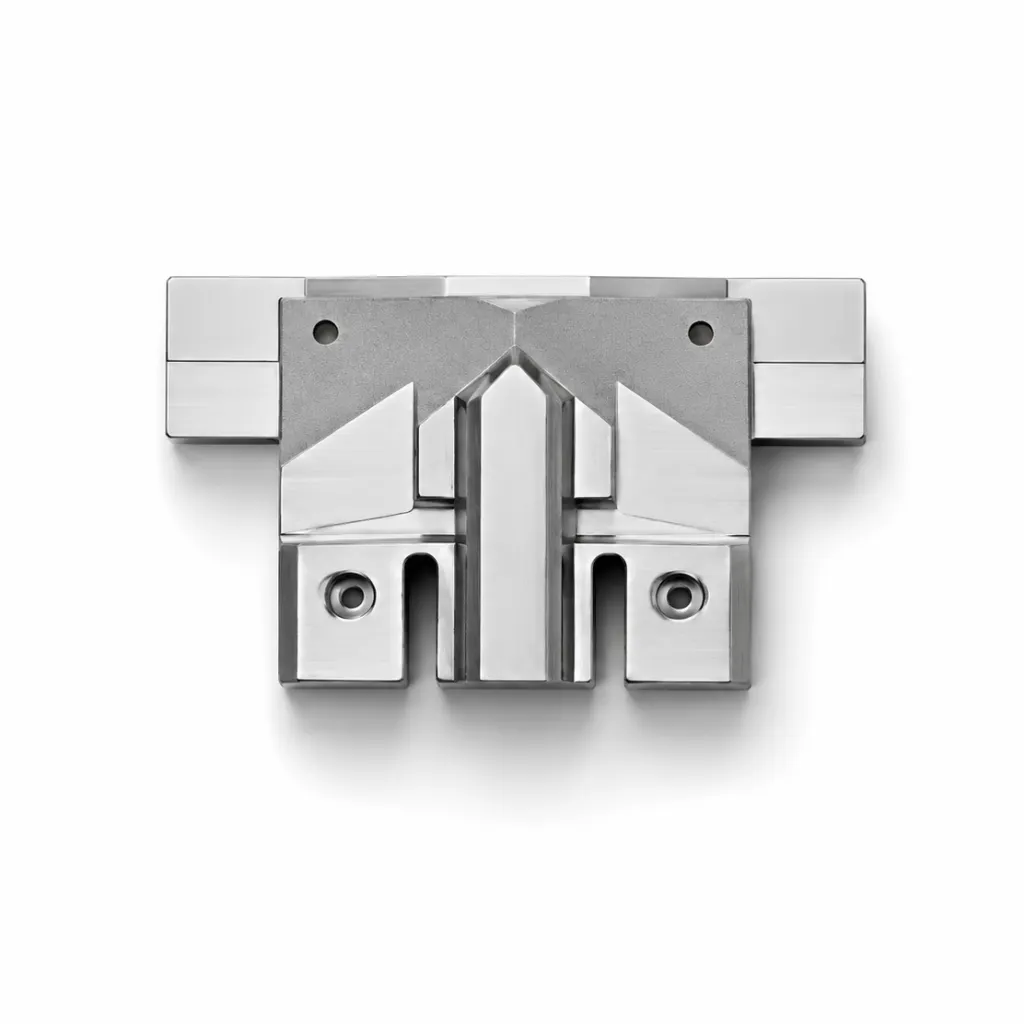
What is Micro Metal Injection Molding (Micro MIM)?
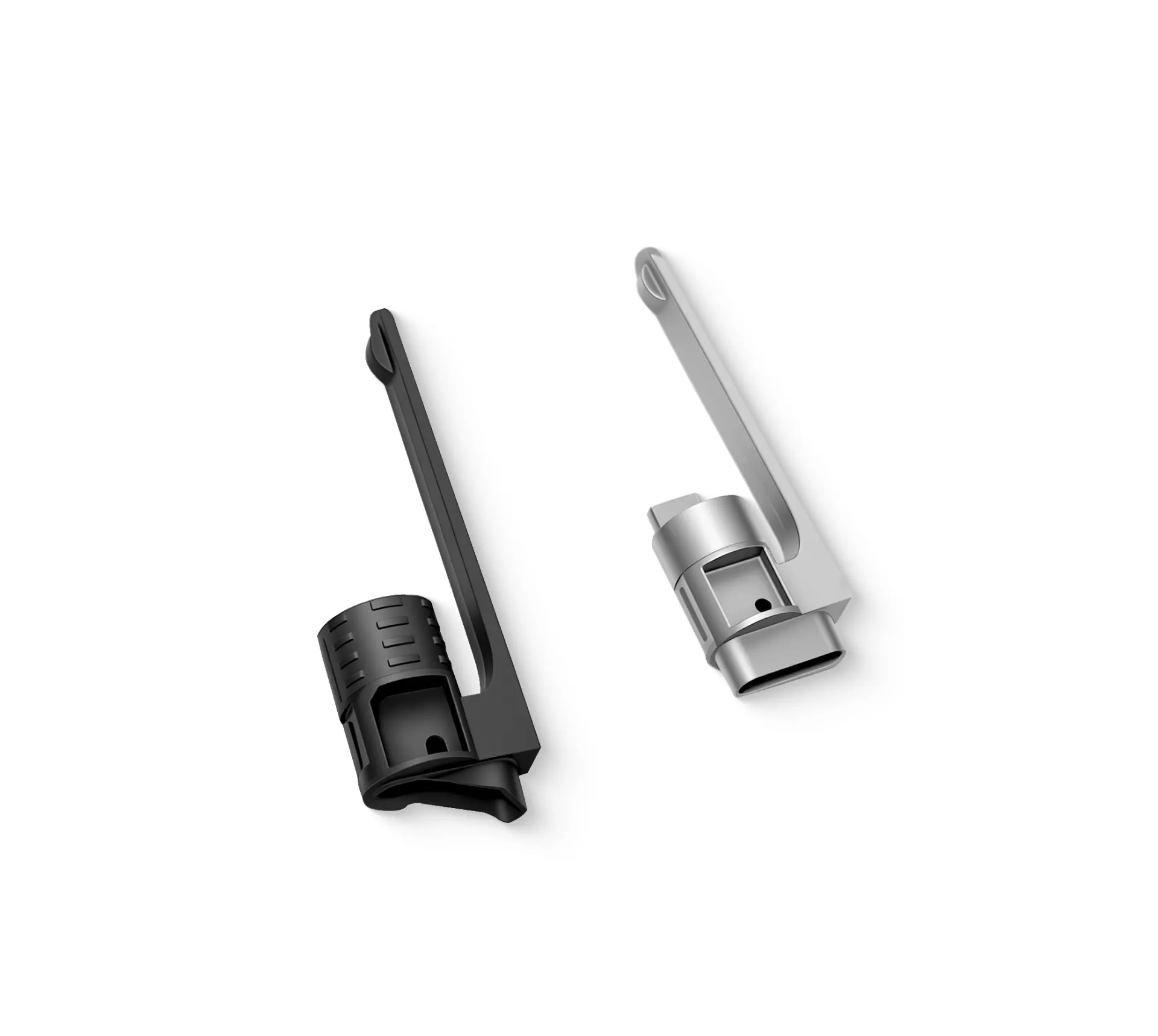
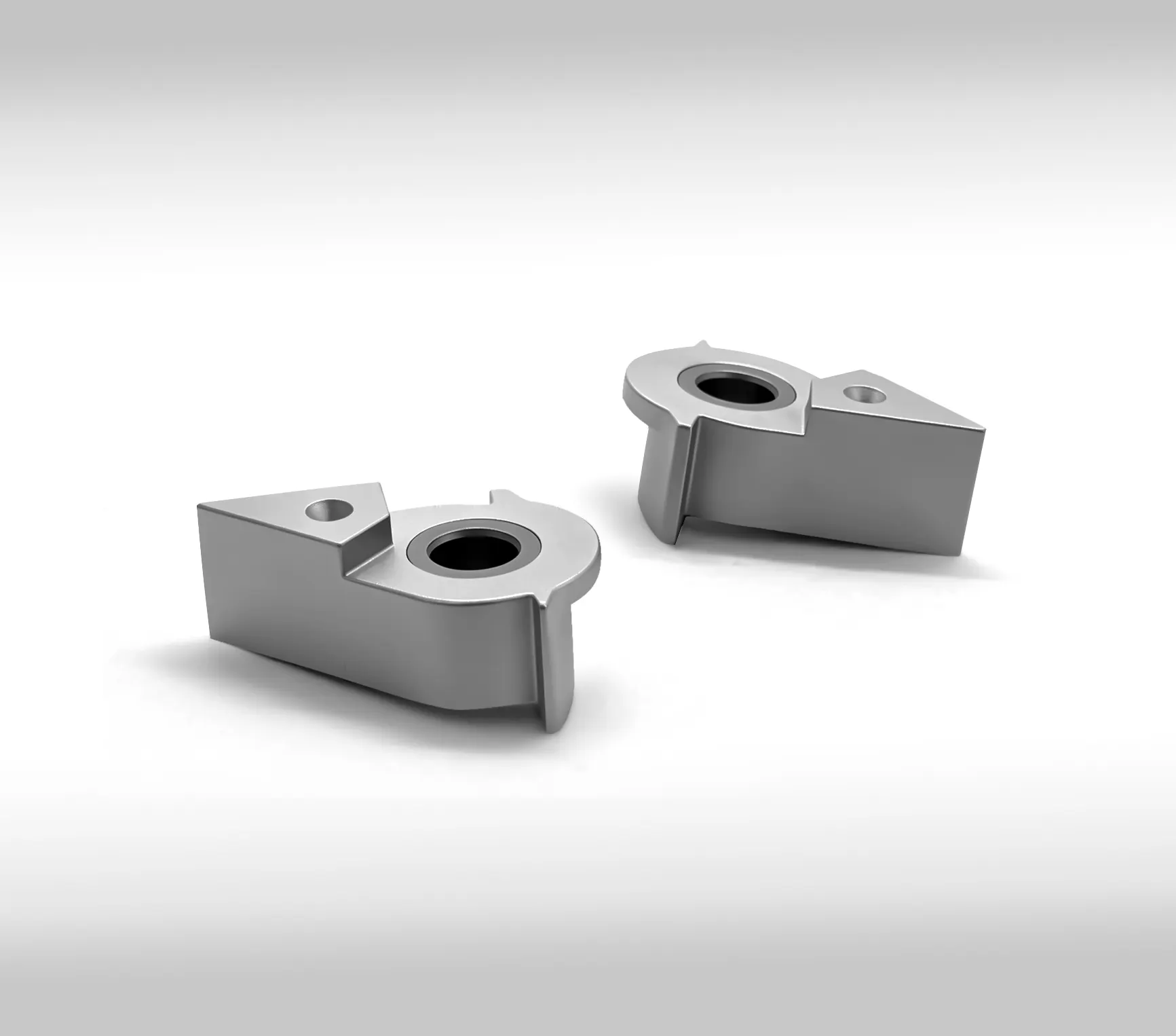
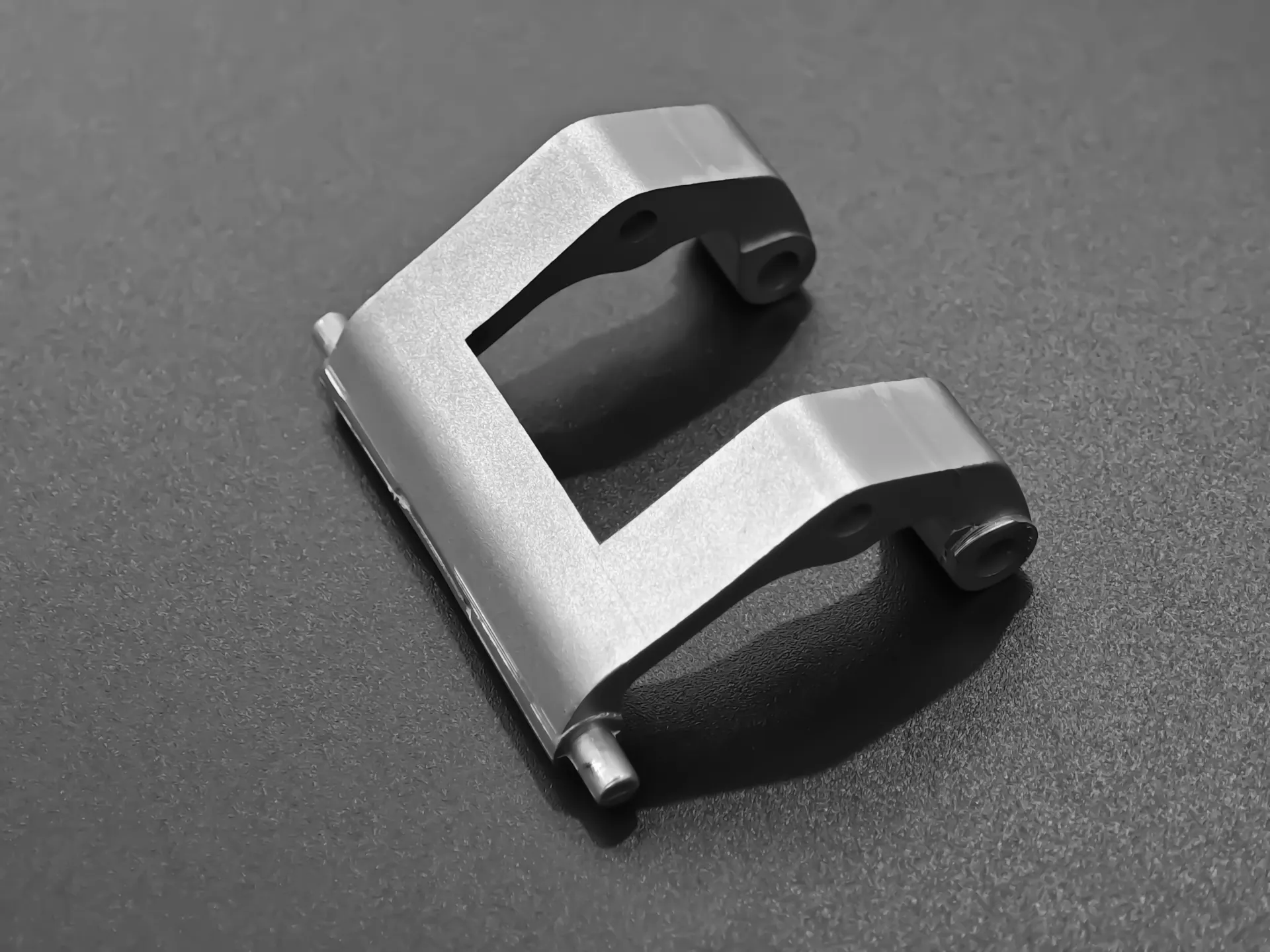
Micro Metal Injection Molding (Micro MIM) is an advanced manufacturing technology combining powder metallurgy and precision micro-injection molding. It is specifically designed to produce high-precision metal components weighing from a few milligrams to a couple of grams, with micro-scale (μm) structural features.
Unlike standard MIM, Micro MIM is not just a scaled-down process. It relies on specialized material formulations, ultra-fine powders, and high-precision equipment controls:
Ultra-Fine Metal Powders: Utilizes powders with an average particle size of 2μm-5μm (compared to 10μm-20μm for standard MIM) to ensure full cavity filling and superior surface finish.
Micro-Dosing Shot Control: Integrates high-precision micro-injection units capable of milligram-level shot control to prevent flash and short shots.
Core Process & Technical Advantages of Micro MIM
Manufacturing top-quality miniature metal parts relies on four strictly controlled processing phases:
Feedstock Preparation: Ultra-fine metal powder is mixed with a high-fluidity polymer binder at a precise ratio to create a highly flowable Micro MIM feedstock.
Micro Injection Molding: Performed in temperature-controlled clean environments, injecting feedstock into micro-cavity molds to produce a "green part."
Debinding: Solvents or thermal processes remove the majority of the binder, leaving behind a porous "brown part."
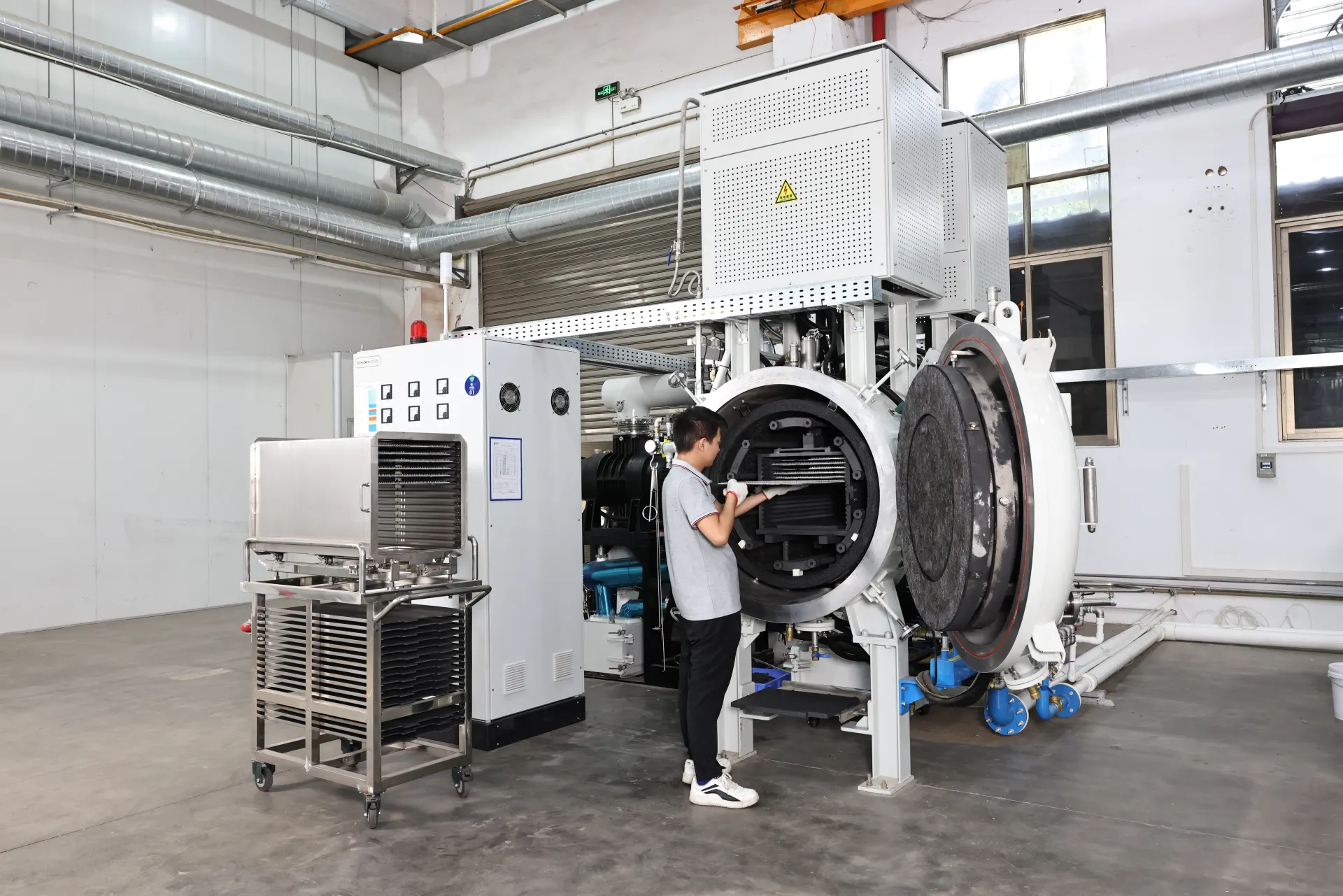
Sintering: High-temperature sintering in vacuum or controlled atmospheres shrinks the component to achieve high density (>97% theoretical density) and solid metallurgical properties.
[Ultra-Fine Powder + Binder] ➔ [Micro Molding] ➔ [Debinding] ➔ [Sintering] ➔ Dense Precision Part
Key Design Specifications & Tolerance Standards
When evaluating micro metal injection molding services, understanding engineering limits and tolerances is essential for seamless mass production:
| Design Feature | Standard MIM Capability | Micro MIM Capability Limit |
| Part Weight | 0.5g-150g | 0.001g-1h |
| Min. Wall Thickness | 0.5mm | 0.05mm-0.1mm |
| Min. Hole Diameter | 0.4mm | 0.5mm-0.1mm |
| Typical Tolerance | ±0.3%-±0.5% | ±0.1%-±0.2% |
| Surface Roughness | Ra1.6μm-3.2μm | Ra0.4μm-0.8μm |
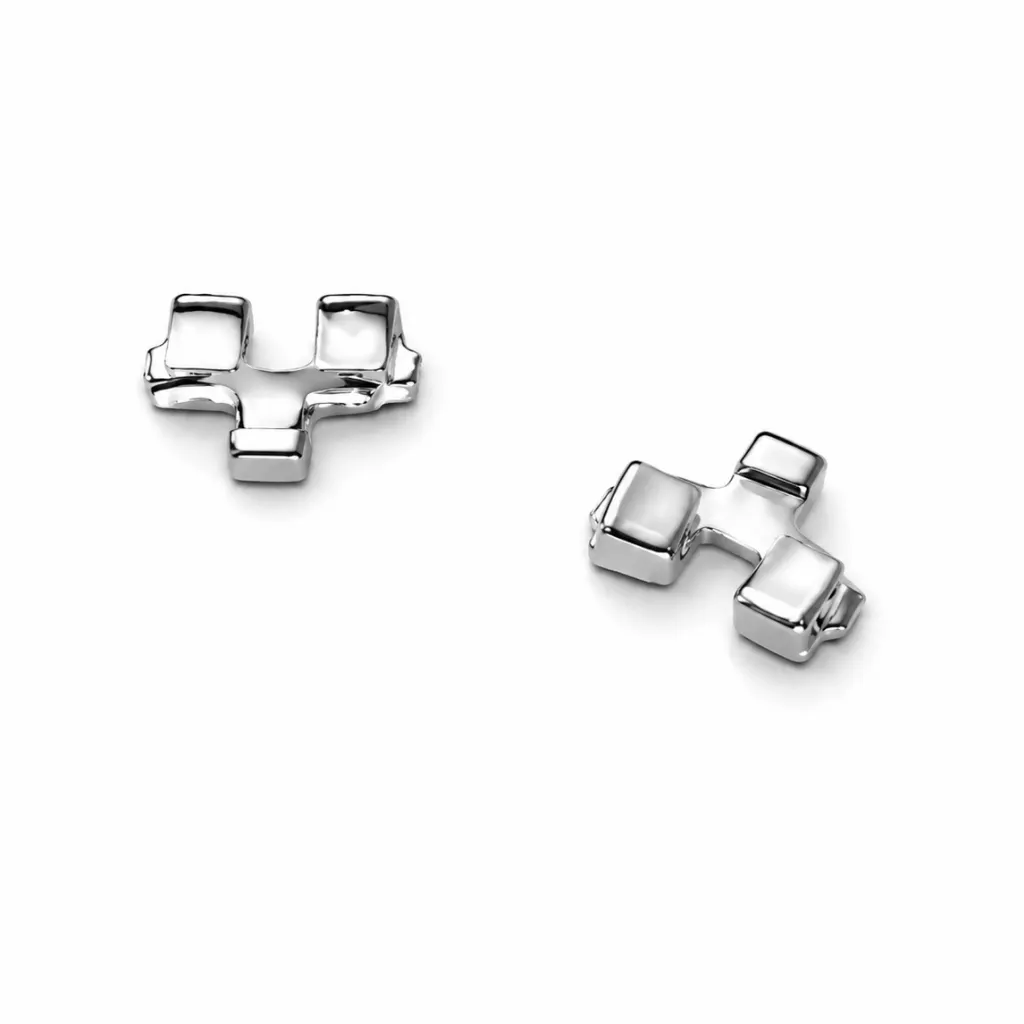
Process Comparison: Micro MIM vs. CNC Machining & 3D Printing
Selecting the right process for sub-millimeter metal parts directly affects commercial viability and part performance:
Micro MIM vs. Micro CNC Machining:
Tooling Constraints: CNC cutters frequently wear out or deflect on sub-millimeter features. Micro MIM relies on permanent tooling to form complex internal features in a single step.
Cost Efficiency: At volumes exceeding 10,000 pieces, Micro MIM can reduce unit manufacturing costs by 50% to 80%.
Micro MIM vs. Metal 3D Printing (PBF/Binder Jetting):
Surface Finish: Metal 3D printing leaves high surface roughness requiring extensive post-processing. Micro MIM delivers smooth surfaces straight out of the furnace.
Density & Scale: Micro MIM delivers higher density (>97%), consistent mechanical strength, and faster output for high-volume orders.
Key Applications & Case Studies
Professional micro metal injection molding services are widely used across high-tech industries:
1. Medical & Biotechnology
Typical Parts: Minimally invasive surgical jaws, endoscopy components, orthodontic brackets, and implantable micro-valves.
Key Materials: 316L Stainless Steel, Titanium Alloys (Ti-6Al-4V), Cobalt-Chromium.
2. Micro-Electronics & Fiber Optics
Typical Parts: Fiber optic connector ferrules, smartwatch micro-actuators, and smartphone camera gearboxes.
Key Materials: 17-4PH Stainless Steel, Tungsten-Copper (W-Cu).
3. Precision Engineering & Horology
Typical Parts: Luxury watch escapement wheels, micro-gearboxes for miniature electric motors.
Key Materials: Fe-Ni soft magnetic alloys, tool steels.
Common Design Pitfalls to Avoid
To prevent project delays or quality issues when utilizing Micro MIM services, avoid these three common pitfalls:
Ignoring Non-Uniform Micro-Shrinkage:
Micro MIM components experience 15%–20% volumetric shrinkage during sintering. Because micro-features are sensitive, uneven wall thicknesses cause warping. Solution: Follow strict DFM guidelines to maintain uniform wall transitions.
Using Standard Powder Grain Sizes:
Suppliers using coarse MIM powders ($>15\,\mu\text{m}$) cause edge rounding or incomplete feature filling on micro-parts. Solution: Verify that your service provider uses sub-5-micron ultra-fine powders.
Over-Polishing During Post-Processing:
Micron-level tolerances on delicate features can be destroyed by conventional barrel tumbling. Solution: Opt for chemical polishing or fluid abrasive finishing methods tailored for micro-parts.
Frequently Asked Questions (FAQ)
Q1: What metals can be processed using Micro MIM?
Micro MIM works with nearly any atomizable metal alloy. The most common materials include 316L and 17-4PH stainless steel, Titanium Grade 5, Tungsten alloys, Cobalt-Chromium (Co-Cr), and Soft Magnetic Alloys (Fe-Ni).
Q2: What is the typical Minimum Order Quantity (MOQ) for Micro MIM services?
Due to tooling and setup costs, Micro MIM is best suited for medium to high-volume production (10,000+ units annually). However, for high-value medical or aerospace components, production runs between 1,000 and 5,000 units are often economically viable.
Q3: How do the mechanical properties of Micro MIM parts compare to machined parts?
Sintered Micro MIM parts routinely achieve 97%–99% theoretical density. Their tensile strength, hardness, and corrosion resistance are comparable to components machined from wrought metal bars or forgings.
Looking for high-precision micro metal components?
Explore our Precision MIM Engineering Guide to learn more about design rules, or contact our engineering team today to request a comprehensive Custom Precision Injection Molding Assessment.
Share on Social: