Can MIM Replace CNC Machining for Complex Parts?
By Yizejing
09, 2026
Are you struggling with skyrocketing per-unit costs and long lead times when CNC machining high-volume, highly complex metal parts? As geometric complexity increases, traditional CNC milling and turning hit severe economic and physical bottlenecks—excessive tool wear, multi-axis setup delays, and staggering material waste (often over 50% turned into chips).
While CNC machining remains the gold standard for low-volume prototypes and ultra-tight tolerances, Metal Injection Molding (MIM) has emerged as a game-changing alternative for high-complexity, high-volume production. But can MIM completely replace CNC machining for your complex metal components?
The short answer: Yes, but only under specific volume, design, and tolerance conditions.
This comprehensive guide breaks down the technical capabilities, cost thresholds, design trade-offs, and real-world performance comparisons to help you choose the right process for your component.
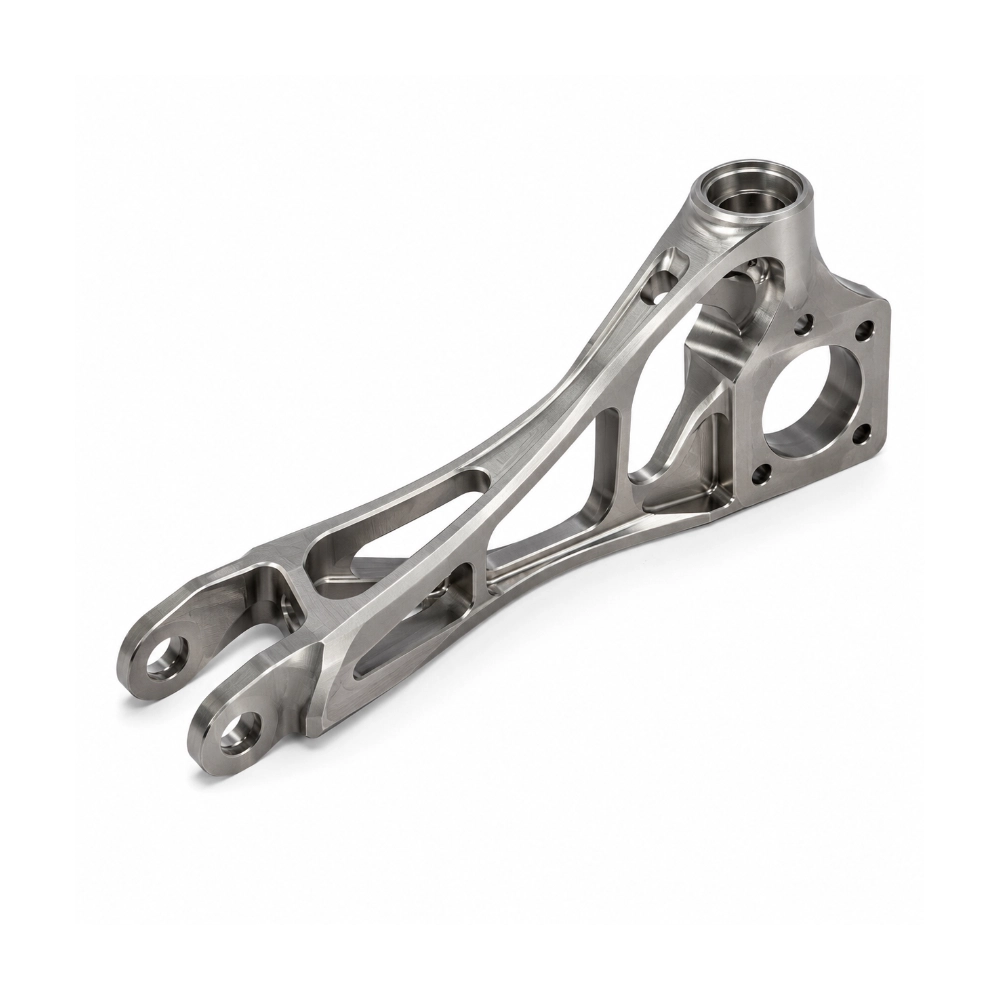
Understanding the Technologies: MIM vs. CNC Machining
To determine if MIM can replace CNC machining, it is essential to understand how their core manufacturing philosophies differ.
CNC Machining (Subtractive Manufacturing): CNC machines carve components out of solid metal billets using cutting tools. It offers exceptional accuracy and requires no custom tooling, making it ideal for low volumes. However, costs scale linearly with geometric complexity.
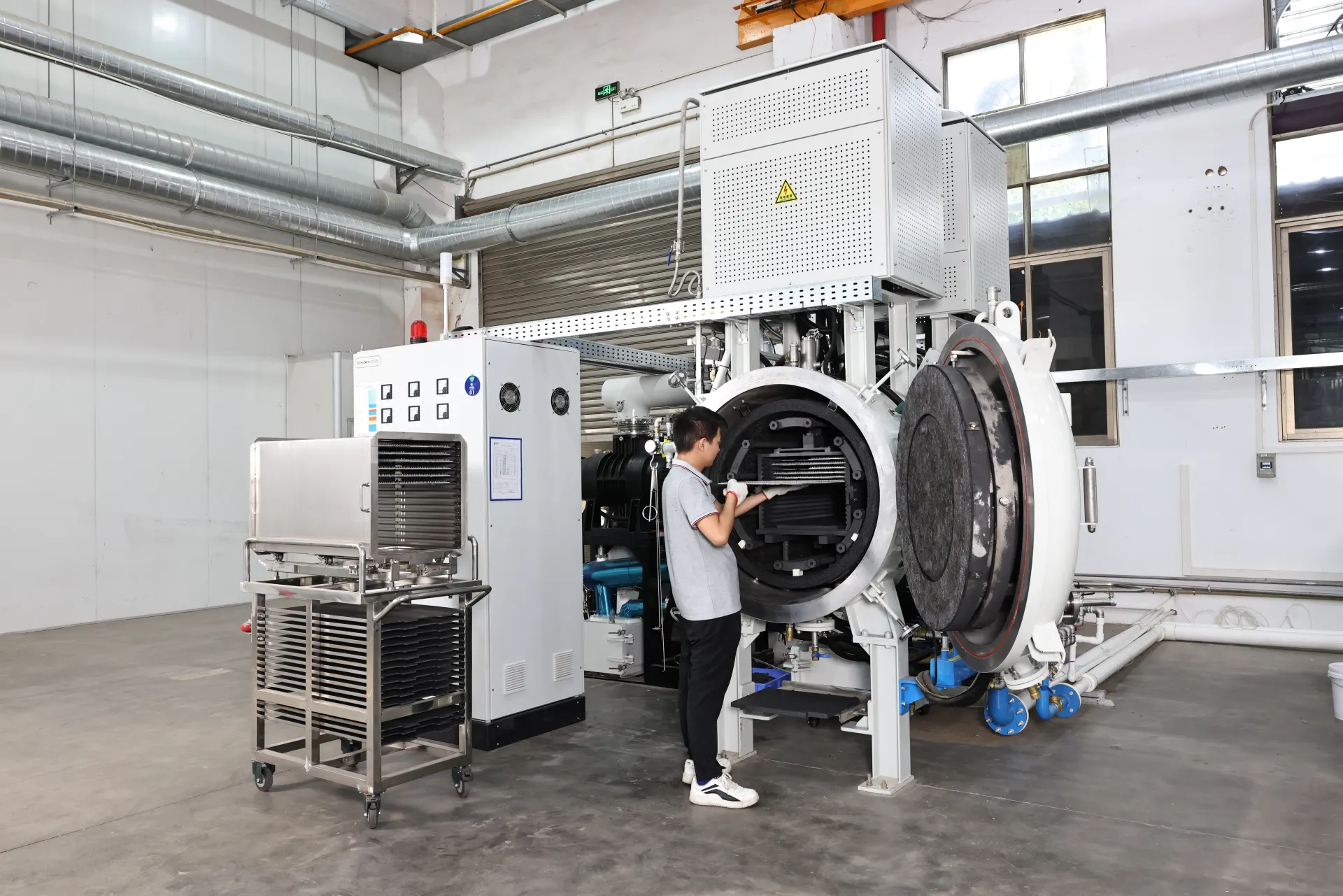
Metal Injection Molding (MIM - Formative Manufacturing): MIM combines plastic injection molding versatility with powder metallurgy. Very fine metal powders are mixed with a polymer binder to create a feedstock, injected into a mold, debound, and sintered into a dense (95–99%+) metal part.
MIM Process Flow:
Metal Powder + Binder ➔ Injection Molding ➔ Green Part ➔ Debinding ➔ Sintering ➔ Finished High-Density Metal Part
4 Critical Factors: When Can MIM Replace CNC Machining?
Replacing CNC machining with MIM requires evaluating four engineering and economic metrics:
1. Production Volume Threshold
CNC Machining: Zero upfront tooling cost, but high per-part labor and machine time. Best suited for 1 to 1,000 parts.
MIM: High initial mold tooling cost ($5,000–$30,000+), but extremely low piece-part costs. MIM typically becomes cheaper than CNC machining at volumes starting around 5,000 to 10,000+ units annually.
2. Geometric Complexity and Feature Integration
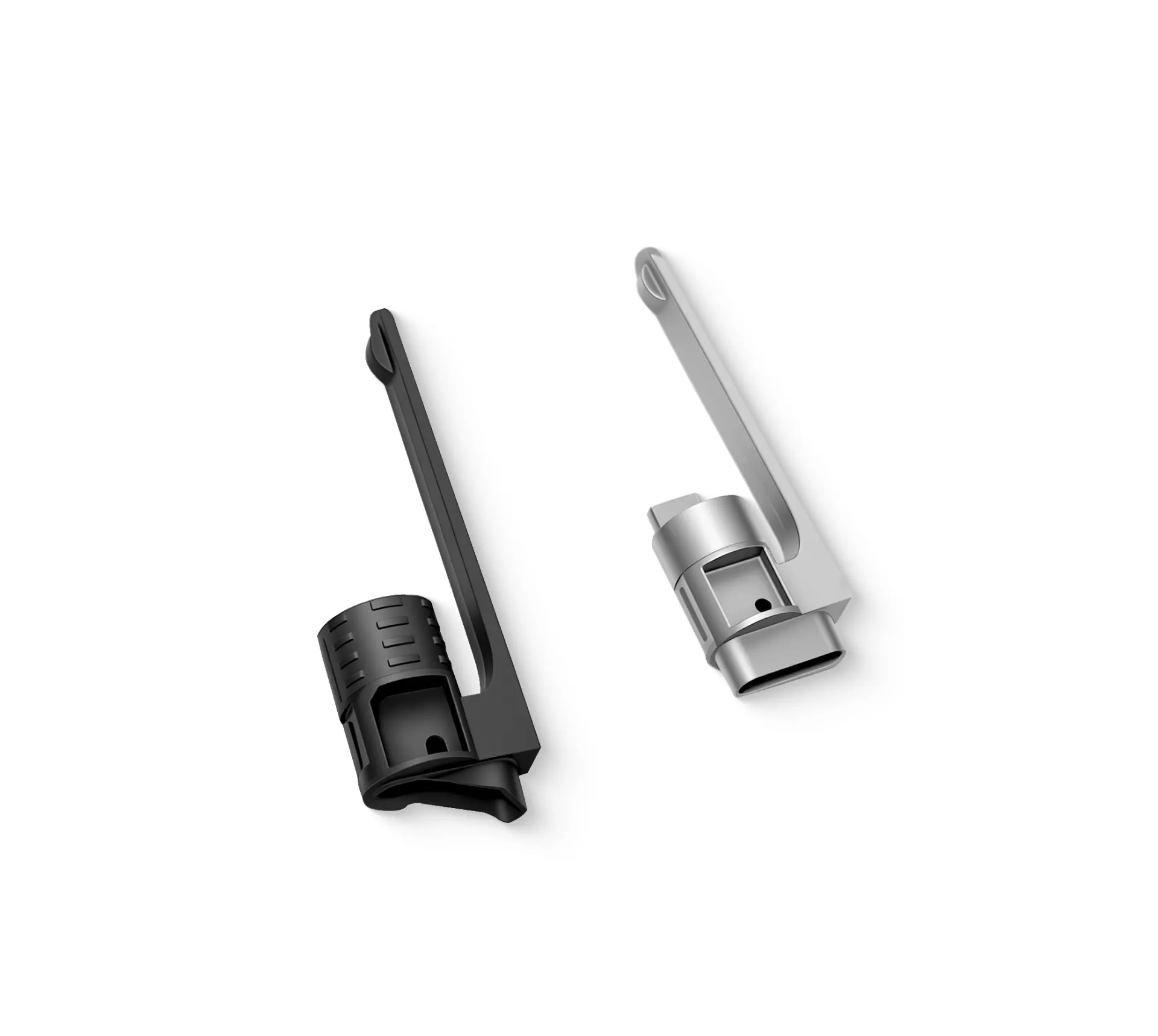
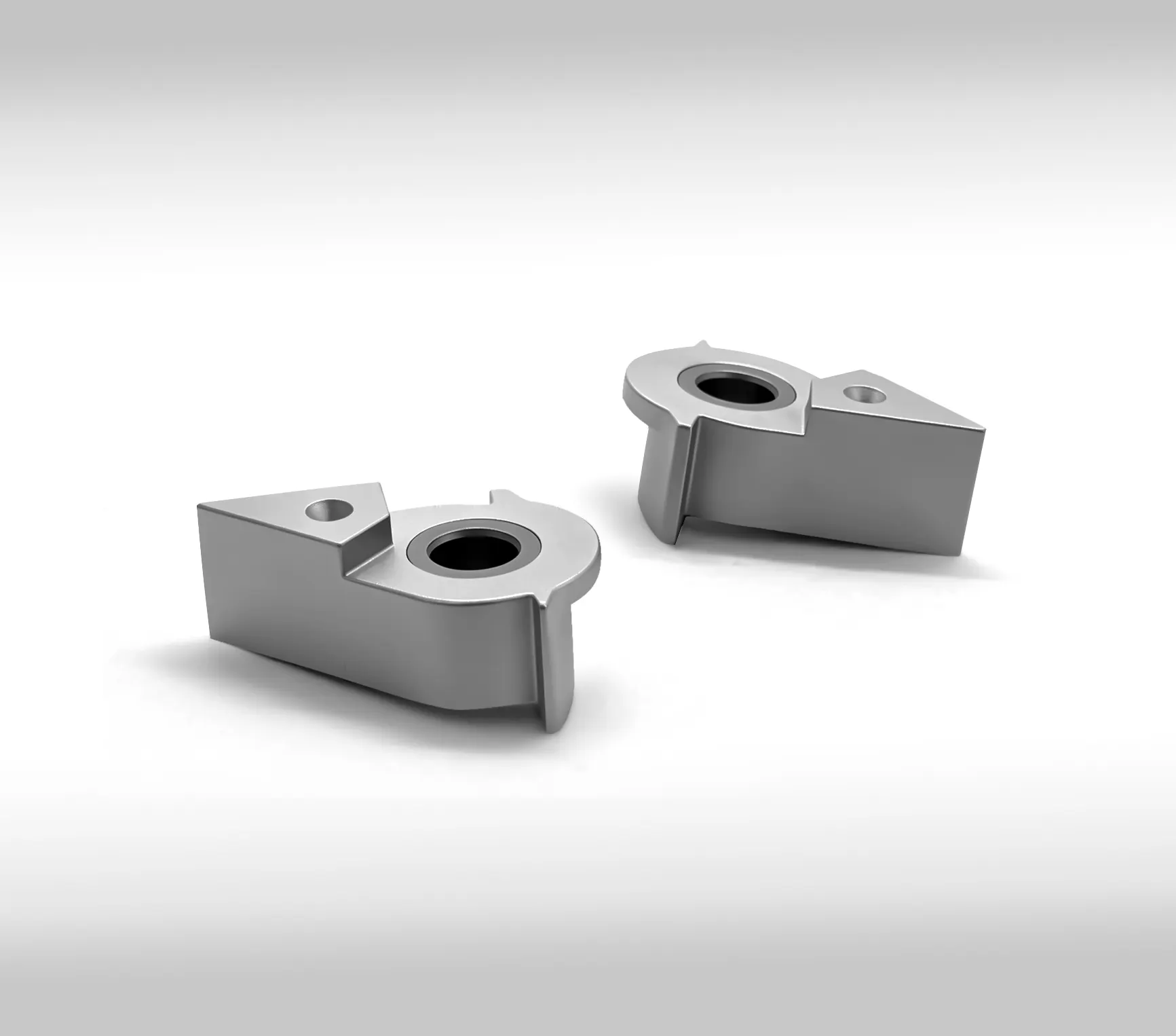
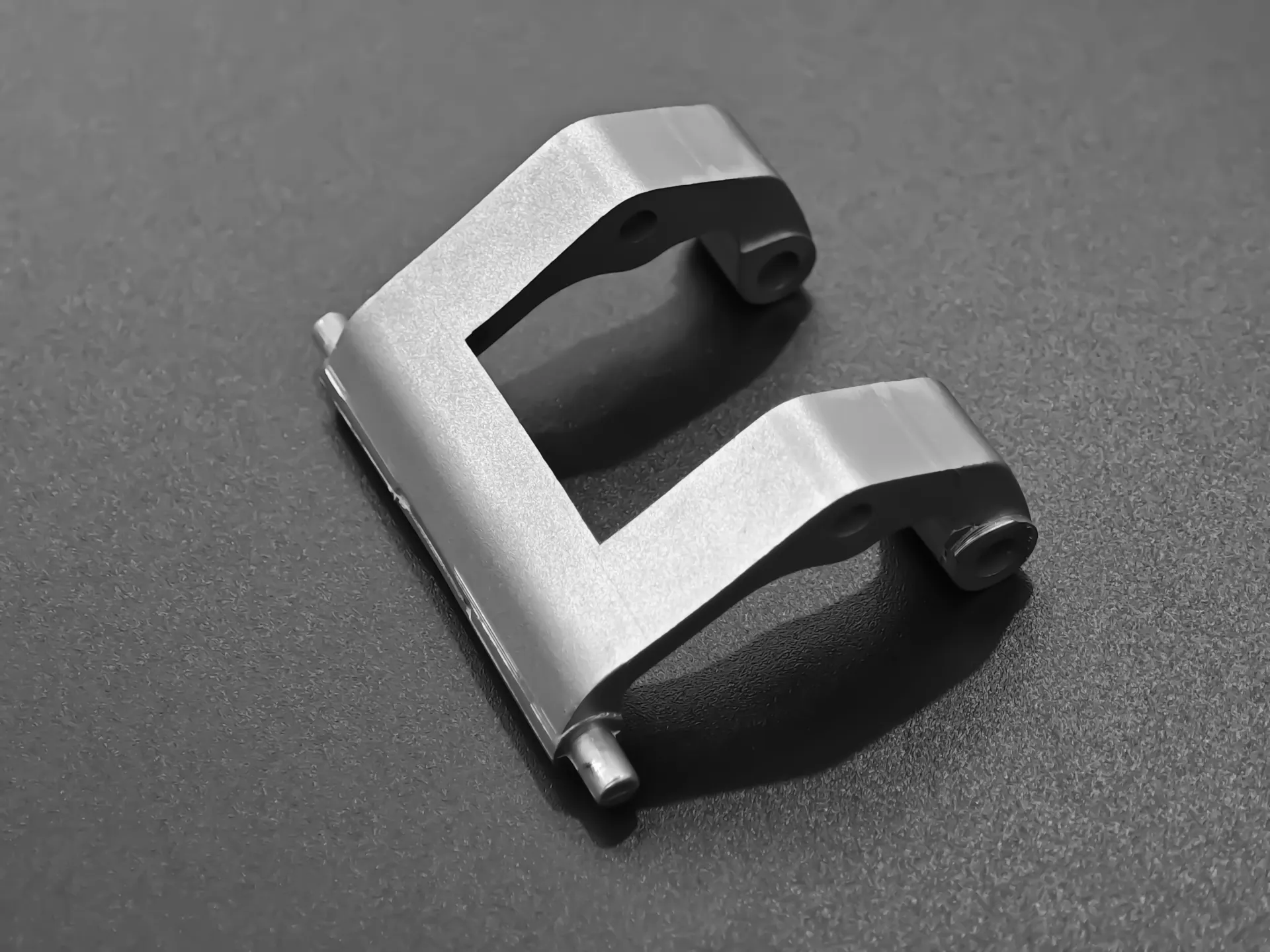
CNC machining costs spike dramatically when parts require multi-axis indexing, internal undercuts, thin walls, or knurling. MIM allows you to consolidate multi-piece CNC assemblies into a single molded part with zero cost penalty for geometric complexity.
3. Dimensional Tolerances & Accuracy
CNC Machining: Achieves standard tolerances of ±0.005mm to ±0.025mm without post-processing.
MIM: Standard sintered tolerance is ± 0.3% to ±0.5% of nominal dimensions (typically ±0.05 mm for small features). If your drawing requires tighter tolerances on specific features, a secondary CNC reaming or grinding pass is required post-sintering.
4. Part Size and Weight Constraints
MIM works best for small, highly detailed parts. The ideal weight range for MIM parts is 0.1 grams to 100 grams (up to 250 grams maximum). Large, heavy structural blocks remain firmly in the domain of CNC machining or forging.
Direct Technical Comparison: MIM vs. CNC Machining
| Property / Feature | MIM (Metal Injection Molding) | CNC Machining |
| Optimal Volume | High Volume (>5,000 pcs/year) | Low to Mid Volume (1–2,000 pcs) |
| Unit Cost vs. Complexity | Flat (Complexity is "Free") | Scales exponentially with complexity |
| Material Utilization | High (>95% material usage) | Low (Significant scrap/chip waste) |
| Standard Tolerance | ± 0.3% - ±0.5% | ±0.005mm- ± 0.025mm |
| Part Weight Limit | Best under 100g (Max ~250g) | Virtually unlimited |
| Material Range | Stainless steel, Titanium, Tool steel, Inconel | All machinable metals and alloys |
| Surface Finish (As-cast/Sintered) | Ra 1.0 – 3.2 µm | Ra 0.8 – 1.6 µm |
Common Pitfalls When Converting CNC Designs to MIM
Engineers migrating a part from CNC to MIM often face quality issues if they treat MIM like a traditional cutting process. Avoid these common design errors:
Ignoring Uniform Wall Thickness: MIM parts require uniform walls (ideally 1.0mm to 4.0mm) to prevent warping and sink marks during sintering. Cored-out thick sections that were previously solid CNC blocks.
Over-specifying Tolerances: Applying blanket CNC tolerances (±0.01mm) to non-critical MIM surfaces needlessly drives up costs by requiring 100% secondary machining.
Forgetting Shrinkage Rates: MIM parts shrink by 15% to 22% during sintering. Mold designs must account for precise shrinkage factors based on feedstock formulation.
Neglecting Draft Angles: While MIM requires smaller draft angles than die casting, adding a 0.5° -1° draft significantly extends tool life and part ejection consistency.
FAQ: Metal Injection Molding Replacement Questions
1. Is the mechanical strength of MIM equal to CNC-machined solid metal?
Yes. Modern MIM parts achieve 95% to 99% theoretical density, offering tensile strength, yield strength, and hardness comparable to wrought CNC-machined stock. MIM parts can also be heat-treated, plated, or passivated using standard metallurgical methods.
2. Can MIM create internal threads directly from the mold?
Internal and external threads can be molded directly if they have a coarse pitch. However, for precise or fine-pitch internal threads, it is often more cost-effective to mold a blank hole and tap the threads in a quick post-sintering CNC operation.
3. What materials are most commonly used in MIM?
The most popular MIM alloys include 316L and 17-4PH stainless steel, 4140 low alloy steel, M2 tool steel, and Titanium alloys (Ti-6Al-4V) for medical and aerospace applications.
Conclusion & Next Steps
MIM can successfully replace CNC machining for complex parts when you need high annual production volumes (>5,000 units), small part sizes (<100g), and intricate geometry that would require prohibitive multi-axis machining hours. However, a hybrid approach—where MIM provides the complex net-shape base and CNC performs minor secondary finishing on critical features—often yields the lowest overall total cost of ownership.
Recommended Next Steps
Design for MIM Audit: Review your CAD models to replace solid blocks with cored-out, uniform wall structures before requesting quotes.
Cost-Break-Even Analysis: Compare your current per-part CNC cost against a combined MIM mold tooling investment and lower piece-part rate.
Welcome to contact us to discuss your project