



MIM Fiber Optic Connectors: Manufacturing & Design Guide
By Yizejing
09, 2026
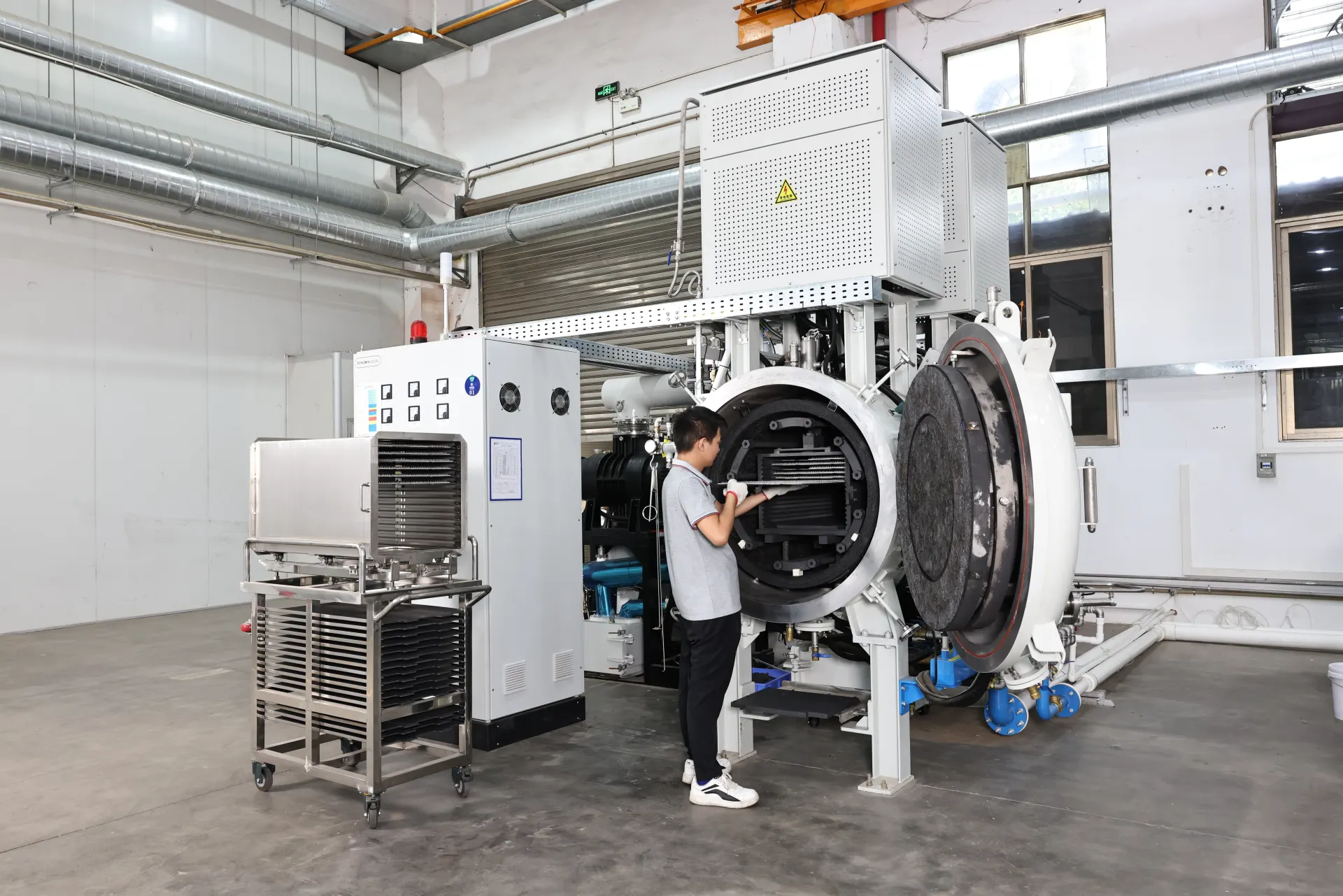
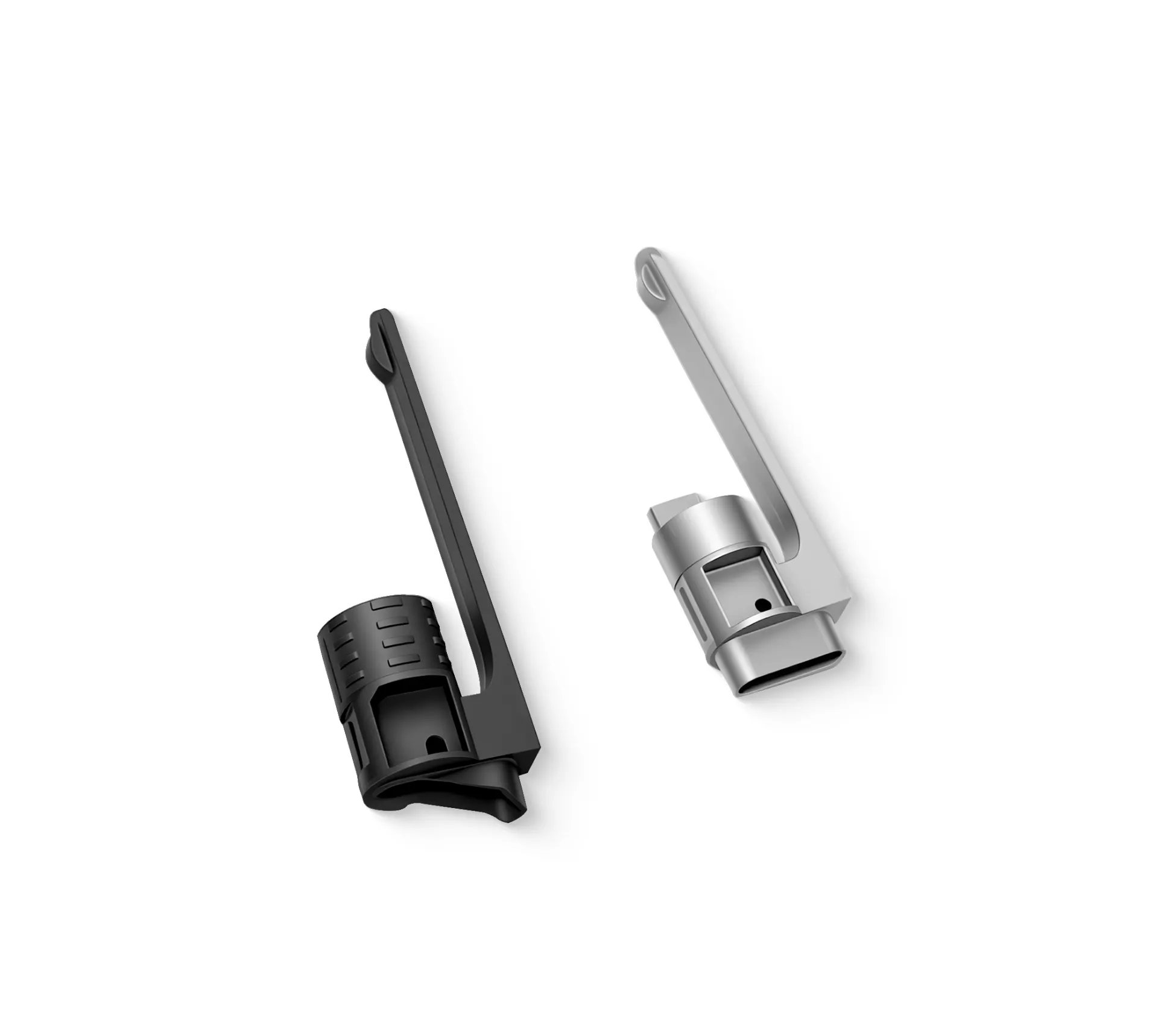
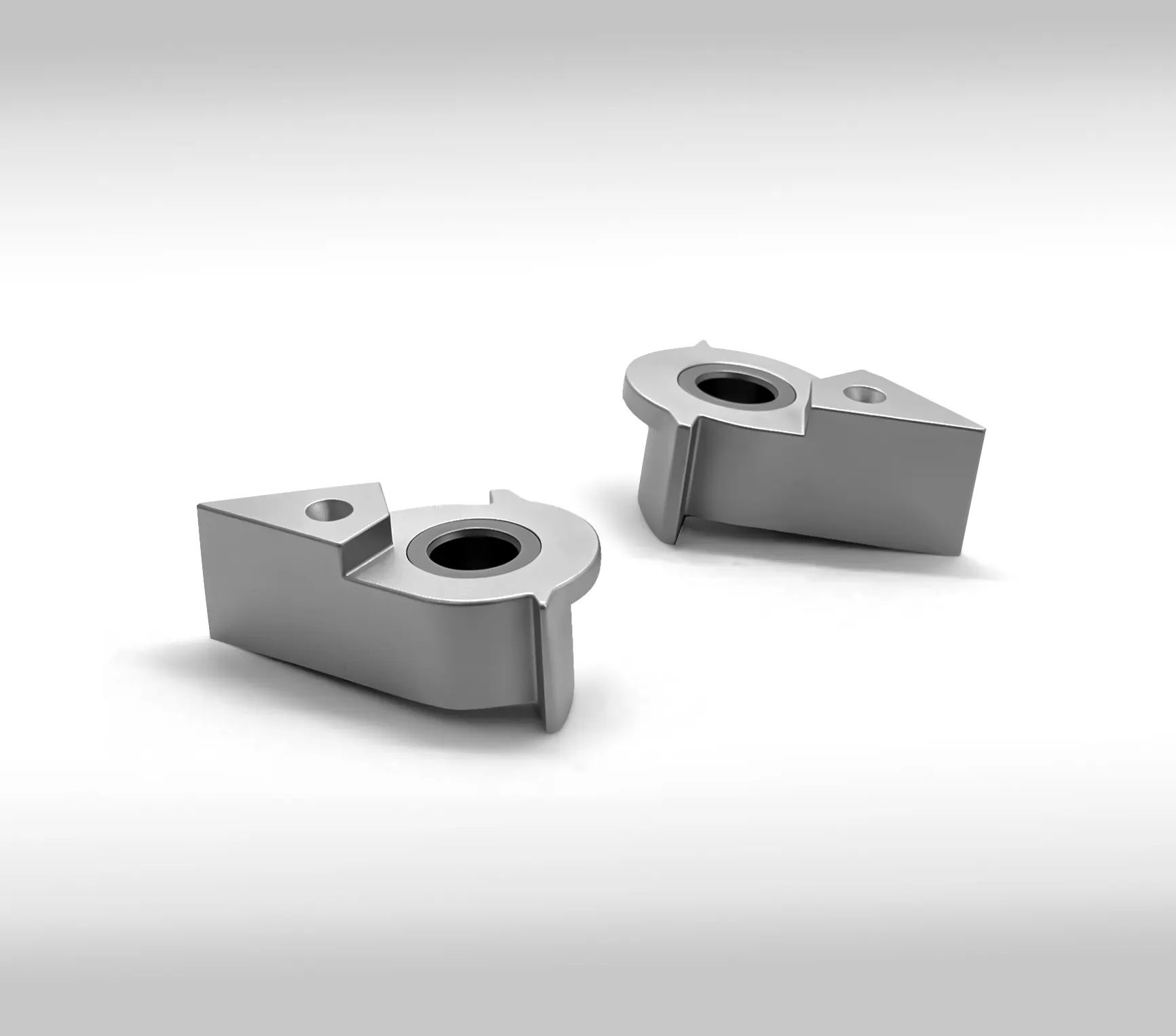
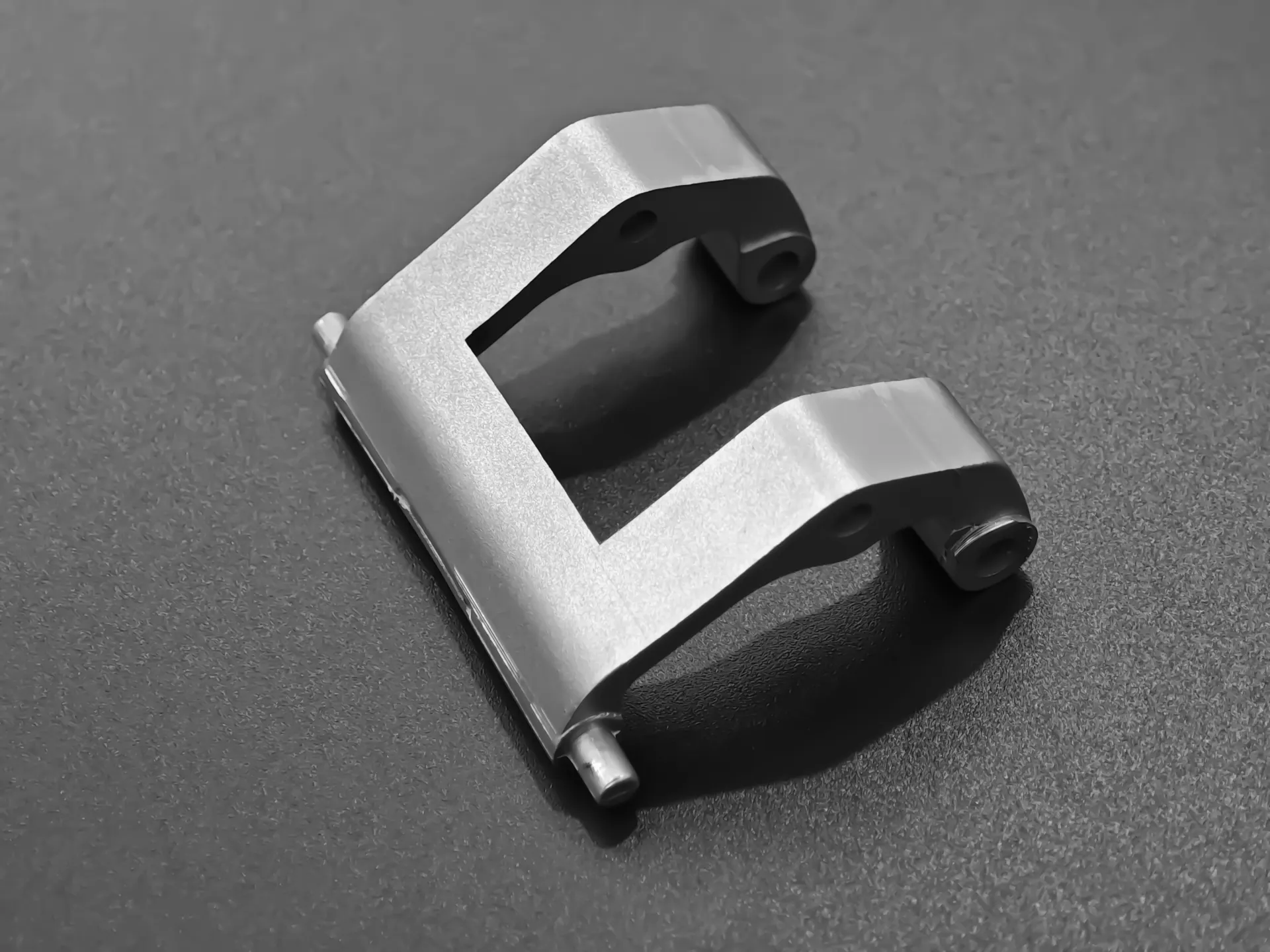
Engineering high-density optical interconnects for telecom, datacenters, and aerospace applications demands micro-scale dimensional precision. Traditional CNC machining of intricate optical hardware—such as multi-fiber ferrule housings, alignment sleeves, latching mechanisms, and ruggedized shell housings—creates severe manufacturing bottlenecks. Machine setup times, excessive tool wear on stainless steels, and low material yield drive per-unit costs to unsustainable levels at high volumes. Conversely, die casting fails to yield the micro-level surface finish and sub-micron dimensional stability required to prevent optical signal attenuation and insertion loss.
Metal Injection Molding (MIM) eliminates this trade-off by combining the design versatility of plastic injection molding with the mechanical durability and thermal stability of high-grade alloys. For optical equipment OEMs scaling production, MIM fiber optic connectors deliver complex net-shape geometries with tight tolerances and minimal post-processing.
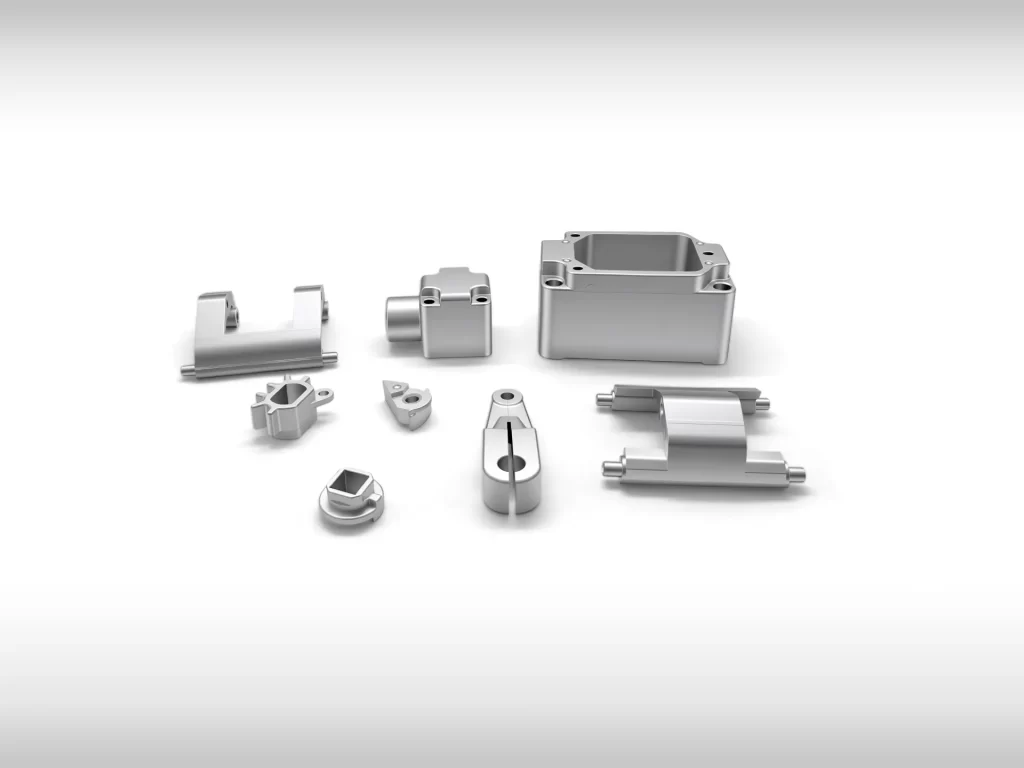
Why Metal Injection Molding Leads Fiber Optic Component Manufacturing
Fiber optic interconnect components must withstand high mating cycles, extreme environmental fluctuation, and strict mechanical alignment tolerances to minimize insertion loss.
Micro-Scale Net-Shape Precision: Achieves complex internal keyways, retaining clips, and multi-channel alignment features in a single molding operation.
Thermal & Mechanical Stability: High sintered density (96%–99%+) prevents thermal expansion mismatches, ensuring stable optical performance across broad temperature ranges (-40°C to +85°C).
Massive Cost Reduction at Scale: Replaces multi-axis CNC milling setups, reducing unit costs by up to 50% on production runs exceeding 10,000 units.
Key Optical Hardware Applications for MIM
Data Center & Telecom Interconnects
Connector Housings & Frames: Outer protective shells for LC, SC, MPO, and custom multi-fiber push-on connectors.
Latch Mechanisms & Clips: High-fatigue retention arms and spring caps that maintain stable physical contact.
Ruggedized & Industrial Fiber Optics
Military & Aerospace Shells: Heavy-duty circular connector housings designed for harsh environment optical links.
Transceiver Hardware: Optical sub-assembly (OSA) housings, ROSA/TOSA headers, and heat-sink integration brackets.
Optimal Alloys for MIM Optical Components
| Material Grade | Tensile Strength | Thermal Expansion (CTE) | Primary Optical Component |
| 316L Stainless Steel | About 520 MPa | 16.0 × 10⁻⁶/K | Non-magnetic housings, outdoor connector bodies |
| 17-4PH Stainless Steel | 1100–1300 MPa | 10.8 × 10⁻⁶/K | High-stress latch clips, wear-resistant locking sleeves |
| Kovar (Fe-Ni-Co Alloy) | About 550 MPa | 5.9 × 10⁻⁶/K | Hermetic TOSA/ROSA headers matching glass-to-metal seals |
| Copper Alloys (Cu-MIM) | About 220 MPa | 16.5 × 10⁻⁶/K | Integrated optical transceiver heat sinks |
DFM Best Practices for MIM Optical Hardware
Feedstock Blending ➔Precision Injection ➔ Debinding ➔ Vacuum Sintering ➔ Optional CNC Finishing / Plating
Uniform Wall Thickness: Design connector walls between 0.6 mm and 2.5 mm. Abrupt transitions in wall thickness cause internal voids, sink marks, and dimensional distortion during sintering.
Draft Angles & Radii: Provide a minimum 0.5° draft angle for smooth ejection from the mold. Maintain an internal radius of at least 0.2 mm on internal keyways to prevent stress risers.
Shrinkage Control: MIM parts contract by 15% to 20% during thermal sintering. Mold tool design must accurately incorporate linear shrinkage factors to hit critical optical alignment dimensions.
Frequently Asked Questions
Can MIM achieve the tight tolerances required for optical alignment ferrules?
As-sintered MIM tolerances typically reach ±0.3% to ±0.5% of nominal dimensions. For sub-micron ferrule alignment bores, MIM creates the near-net shape, followed by high-speed precision reaming or wire EDM for final micro-tolerances.
Why use Kovar MIM for optical transceiver components?
Kovar matches the Coefficient of Thermal Expansion (CTE) of borosilicate glass, making it essential for hermetically sealed TOSA/ROSA packages that require glass-to-metal sealing.
How does MIM compare to CNC machining for high-volume fiber optic housings?
While CNC is preferred for low-volume prototyping, MIM drastically lowers per-unit cost by eliminating material waste and machine time once annual production exceeds 5,000 to 10,000 units.