



Why Metal Injection Molding Dominates Medical Device Manufacturing
By Yizejing
08, 2026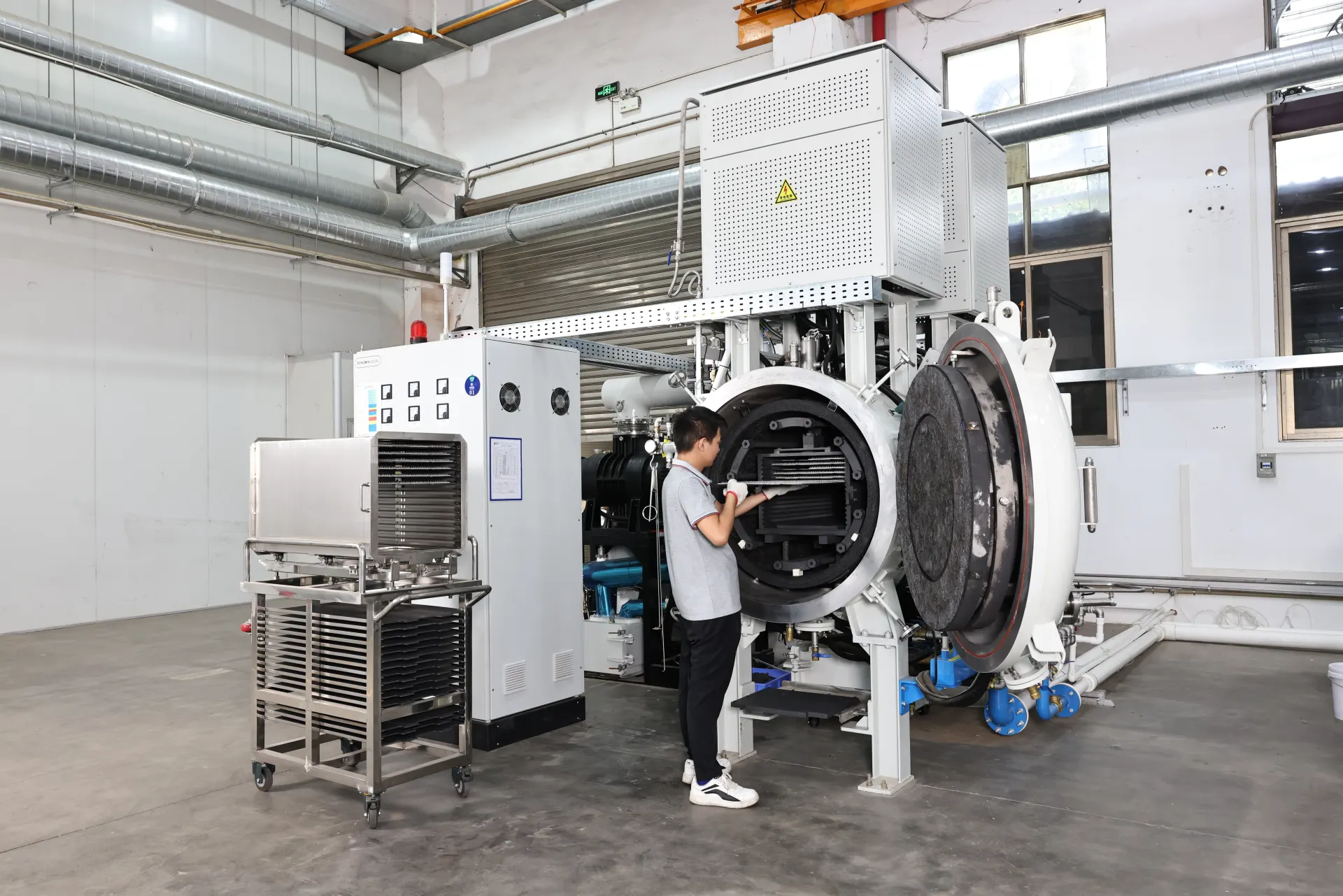
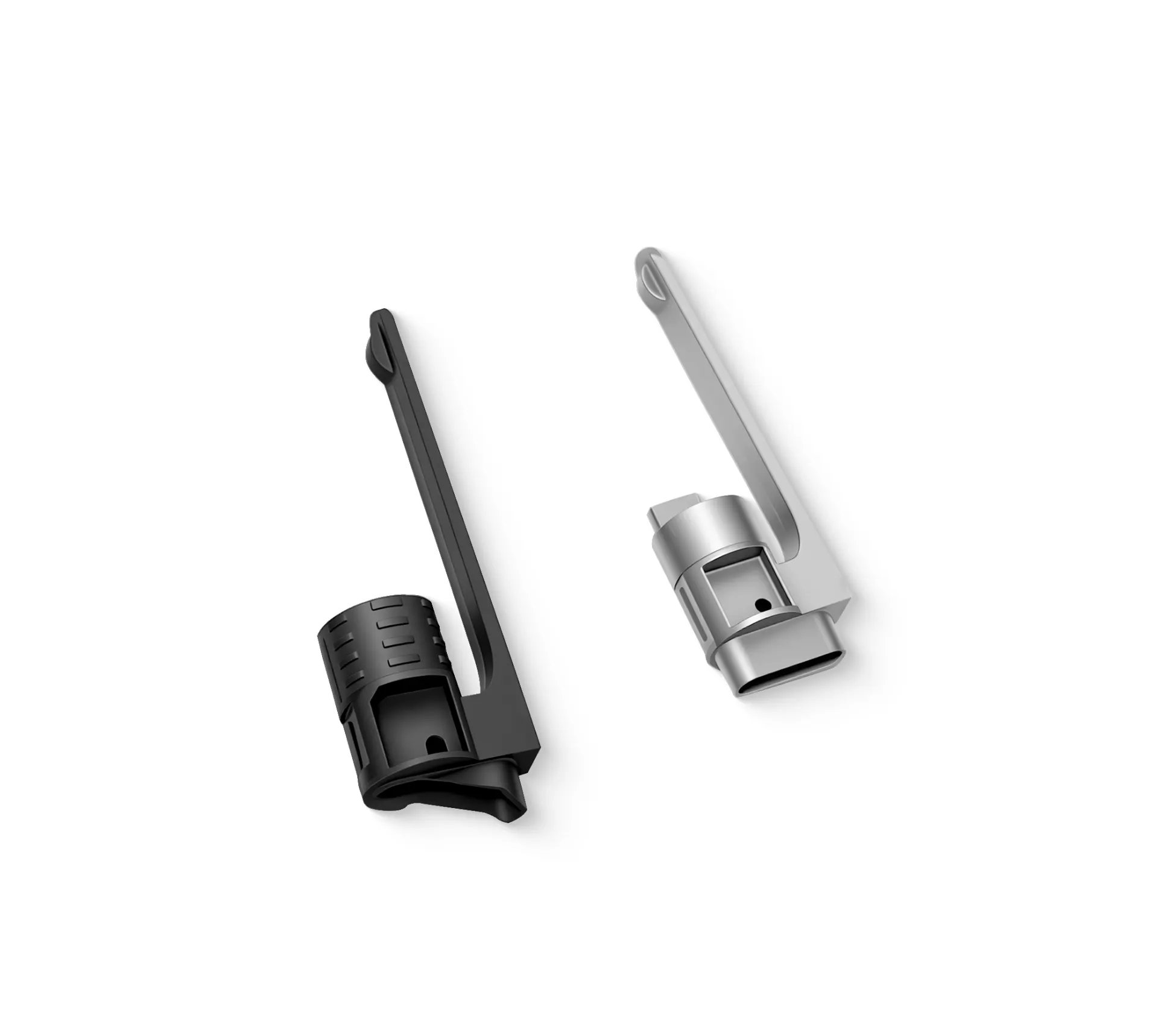
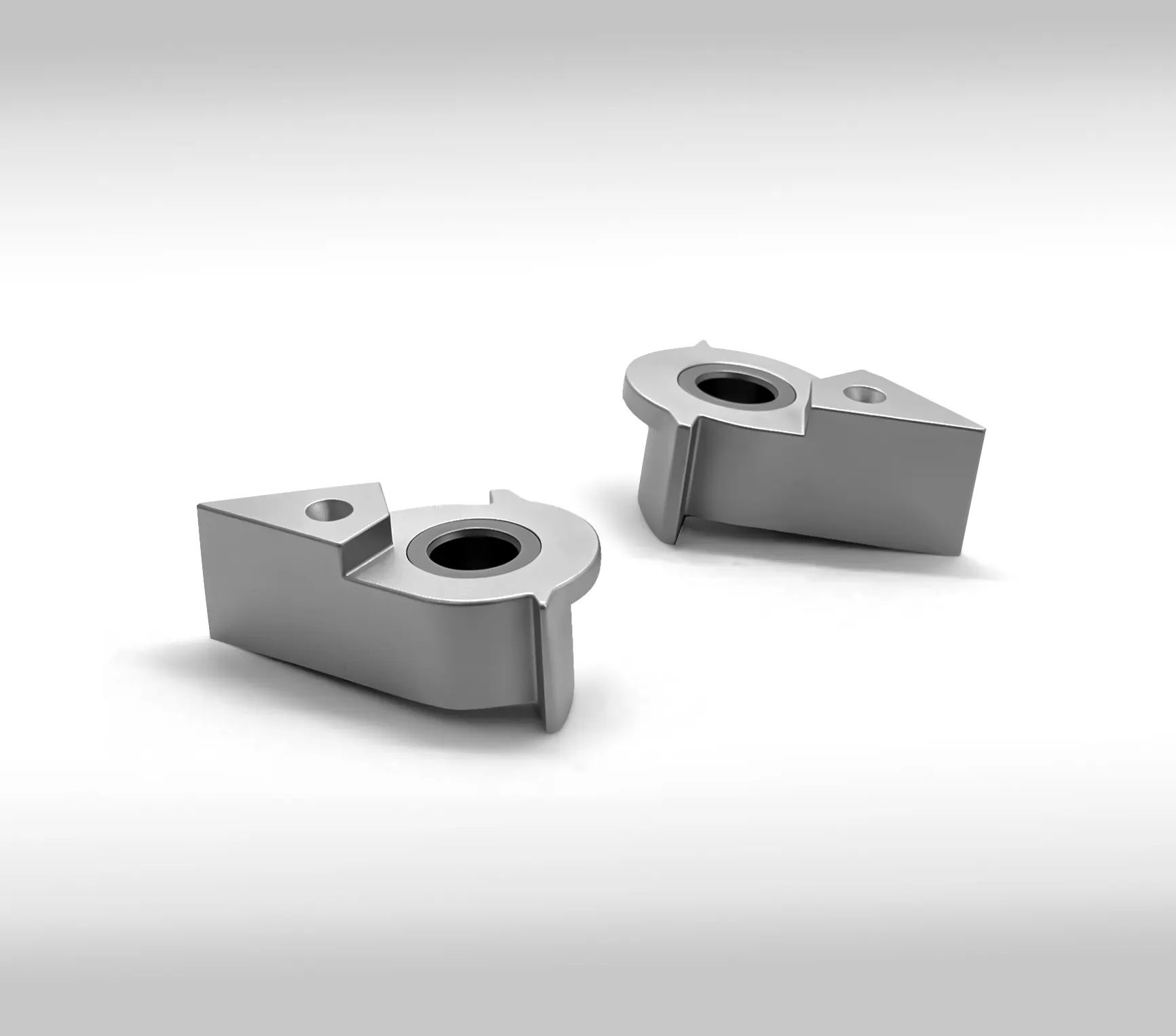
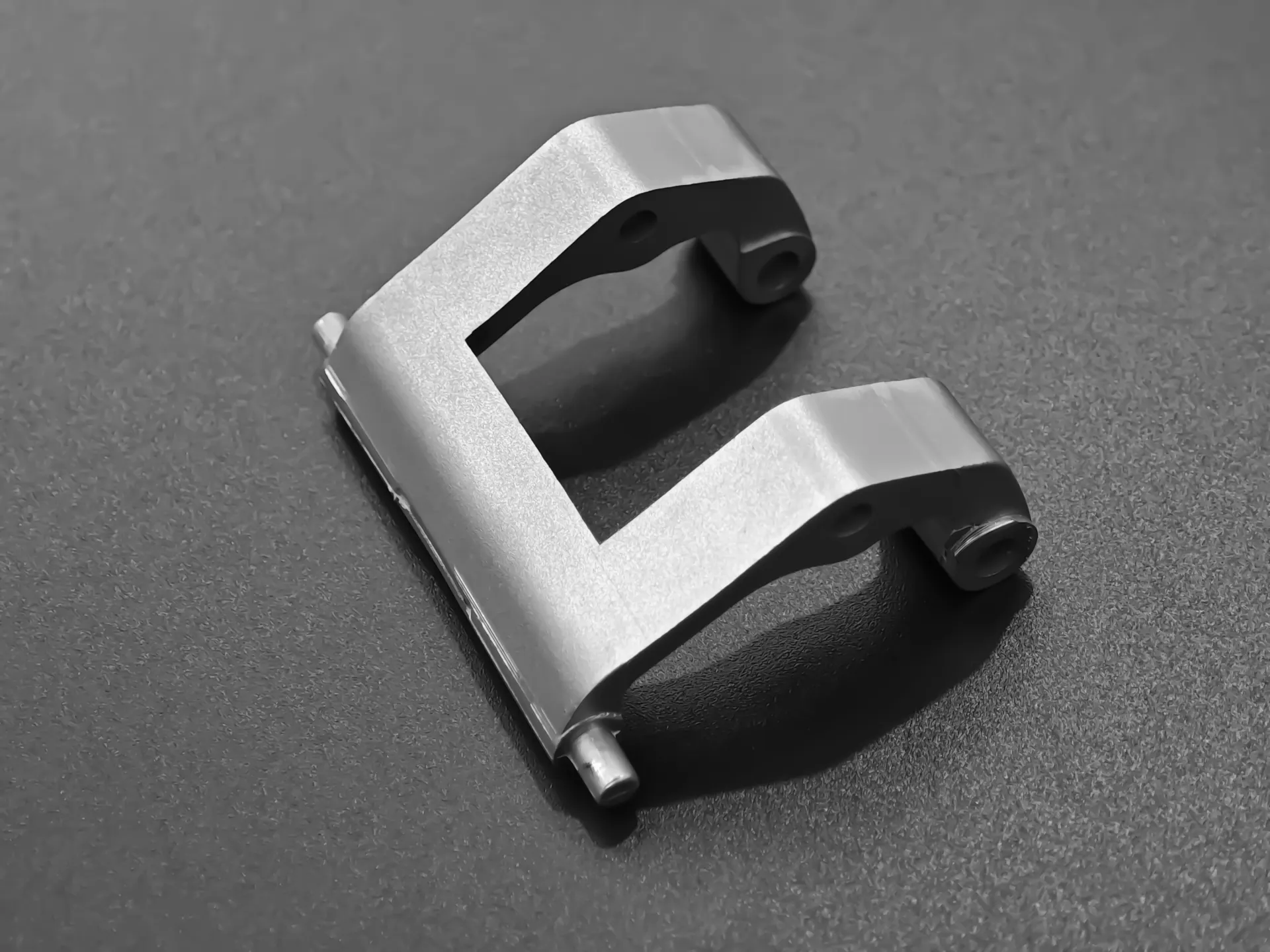
Designing precision surgical instruments for minimally invasive surgery (MIS), robotic surgical platforms, and endoscopic tools presents a harsh manufacturing dilemma. Traditional Swiss CNC machining of complex micro-scale features—such as micro-teeth, internal fluid channels, and multi-axis hinges—in tough medical alloys yields high tool wear, excessive material waste, and soaring per-unit costs. Conversely, investment casting lacks the tight dimensional tolerances (±0.3%) and high sintered density required for sterilizable, load-bearing medical devices.
Metal Injection Molding (MIM) eliminates this trade-off by combining the design versatility of plastic injection molding with the mechanical strength of biocompatible metals. For medical device OEMs scaling production beyond 5,000 units annually, MIM surgical instrument components offer net-shape manufacturing with minimal secondary machining.
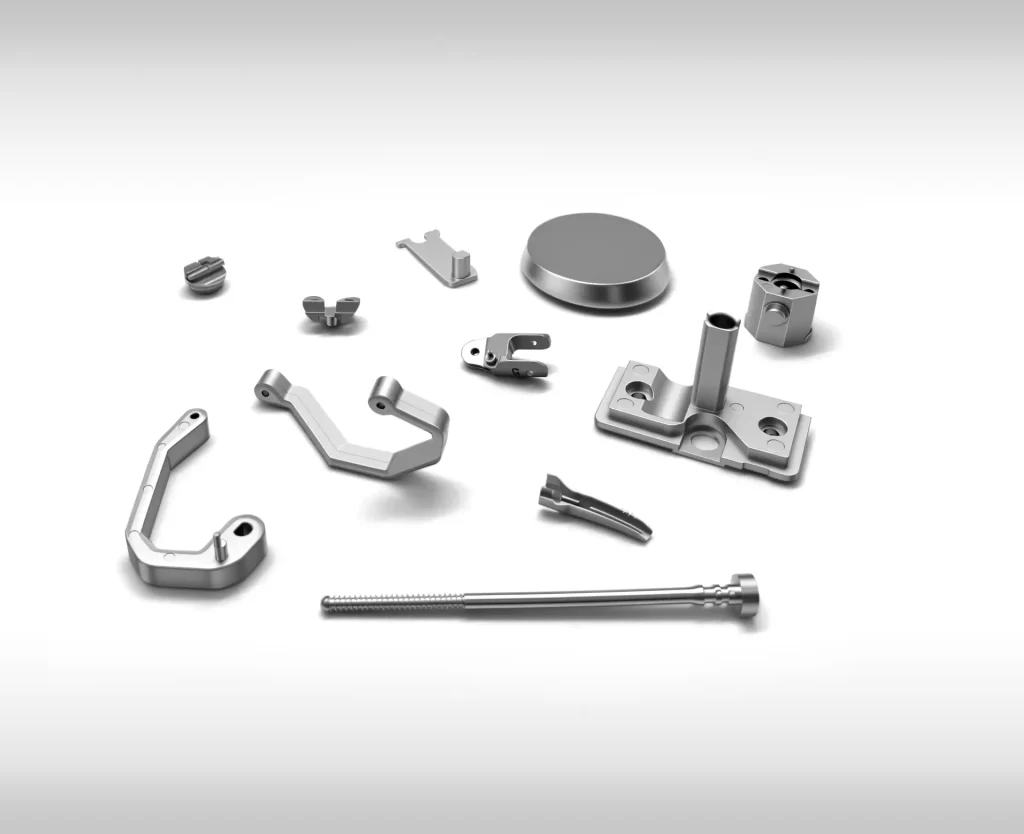
Medical-grade MIM components must endure repeated autoclave sterilization cycles, high mechanical loads, and aggressive chemical exposure without structural degradation or corrosion.
- Complex Geometry Consolidation: Combines multi-piece mechanical assemblies (e.g., clevises, linkages, and jaw inserts) into a single monolithic part.
- High Mechanical Integrity: Reaches 96% to 99%+ of theoretical material density, ensuring mechanical performance matching wrought stainless steel.
- Biocompatibility & Passivation: Readily accepts citric and nitric acid passivation (ASTM F1089) to prevent pitting corrosion during surgical use.
Key Medical Applications for MIM Components
Minimally Invasive Surgery (MIS) & Endoscopy
Laparoscopic Graspers & Scissors: Intricate hinge mechanisms, serrated jaw inserts, and clevis links.
Surgical Staplers: Precision driver anvils, staple cartridges, and articulation hinges.
Surgical Robotics & Power Tools
End-Effector Wrist Components: Micro cable pulleys, wrist joints, and gear teeth for sub-millimeter dexterity.
Orthopedic Tooling: Reamer gear housings, drill guide sleeves, and bone saw blade mounts.
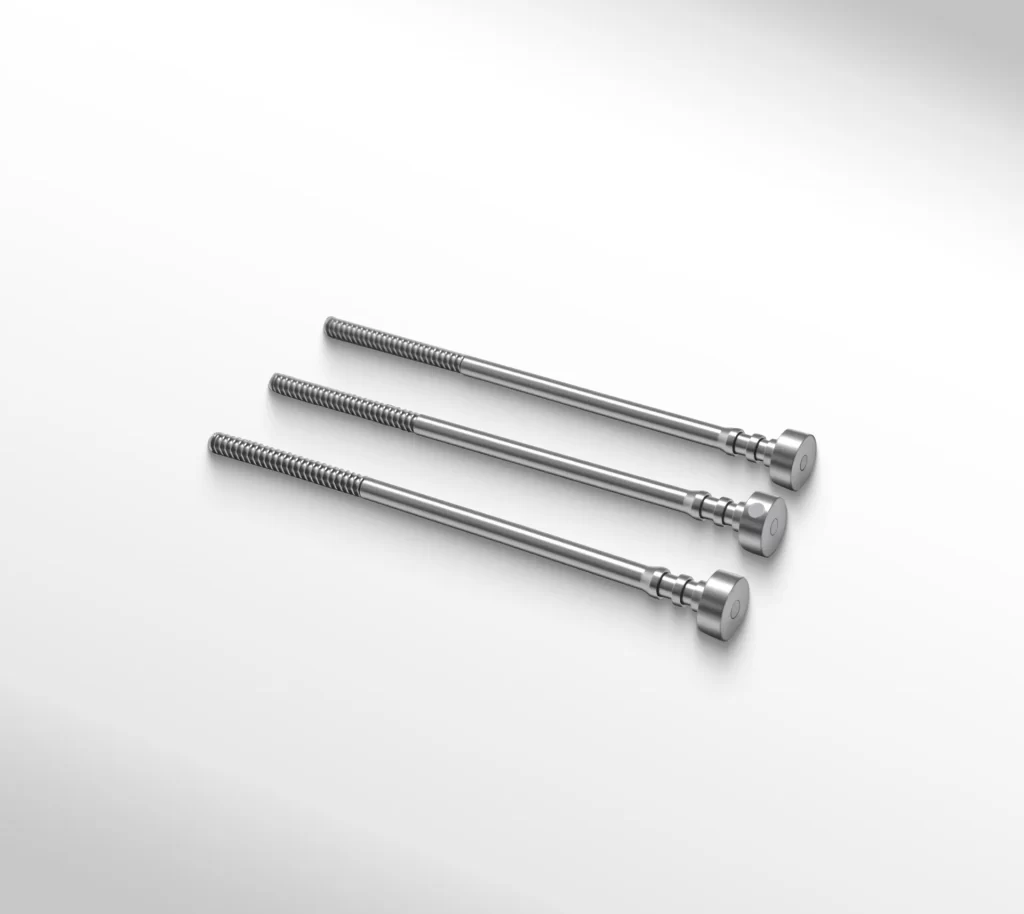
Medical-Grade MIM Alloy Selection Matrix
| Alloy Grade | Mechanical Strength | Hardness | Primary Surgical Application |
| Alloy Grade | Mechanical Strength | Hardness | Primary Surgical Application |
| 17-4PH Stainless Steel | High (1100–1300 MPa) | 38–44 HRC | Load-bearing hinges, jaws, structural links |
| 316L Stainless Steel | Medium (520 MPa) | 150–190 HV | Non-magnetic housings, cannula components, handle grips |
| 420 Stainless Steel | High (1600 MPa) | 48–54 HRC | Surgical shears, scalpel blade holders, bone cutters |
| Ti-6Al-4V (Grade 5) | High (880 MPa) | 30–36 HRC | Lightweight implants, MRI-compatible instrument tips |
Manufacturing Process & DFM Guidelines for Micro MIM Parts
Feedstock Blending➔Precision Injection➔Debinding➔High-Temp Vacuum Sintering➔ Passivation/Post-Finish
Wall Thickness Uniformity: Maintain wall thickness between 0.8 mm and 3.0 mm. Abrupt wall transitions cause sink marks, warping, and uneven thermal shrinkage during debinding.
Draft Angles & Radii: Incorporate a 0.5° to 1.0° draft angle for easy mold ejection. Maintain a minimum internal radius of 0.3 mm on sharp corners to prevent stress risers during high-temperature sintering.
Shrinkage Compensation: MIM components shrink by 15% to 20% during sintering. Precise powder-to-binder ratios and thermal modeling are required to hit tight tolerances.
Frequently Asked Questions
Are MIM surgical instrument components biocompatible and sterilizable?
Yes. Standard surgical alloys like 316L, 17-4PH, and Ti-6Al-4V processed via MIM undergo standard passivation (ASTM F1089) and tolerate repeated autoclave, Gamma ray, and EtO (ethylene oxide) sterilization cycles.
What dimensional tolerances can MIM achieve for micro surgical parts?
Standard MIM processes achieve as-sintered tolerances of ±0.3% to ±0.5% of nominal dimensions. For critical mating surfaces (such as hinge pins or cutting edges), post-sintering CNC coining or precision grinding achieves tolerances within ±0.005 mm.
How does MIM compare to Swiss CNC machining for surgical tool production?
While Swiss CNC is ideal for prototyping and low-volume production (<1,000 units), MIM reduces unit costs by 30% to 60% once annual volumes exceed 5,000 units by eliminating machine setup time and raw material scrap.
Summary & Next Steps
Metal Injection Molding represents the gold standard for producing scalable, high-precision, high-strength MIM surgical instrument components. By optimizing component design for uniform wall thickness and leveraging biocompatible stainless steel alloys, medical device manufacturers can lower unit costs while maintaining ISO 13485 regulatory compliance.
Welcome to learn more
Share on Social: