



What Makes 17-4PH Stainless Steel Ideal for MIM?

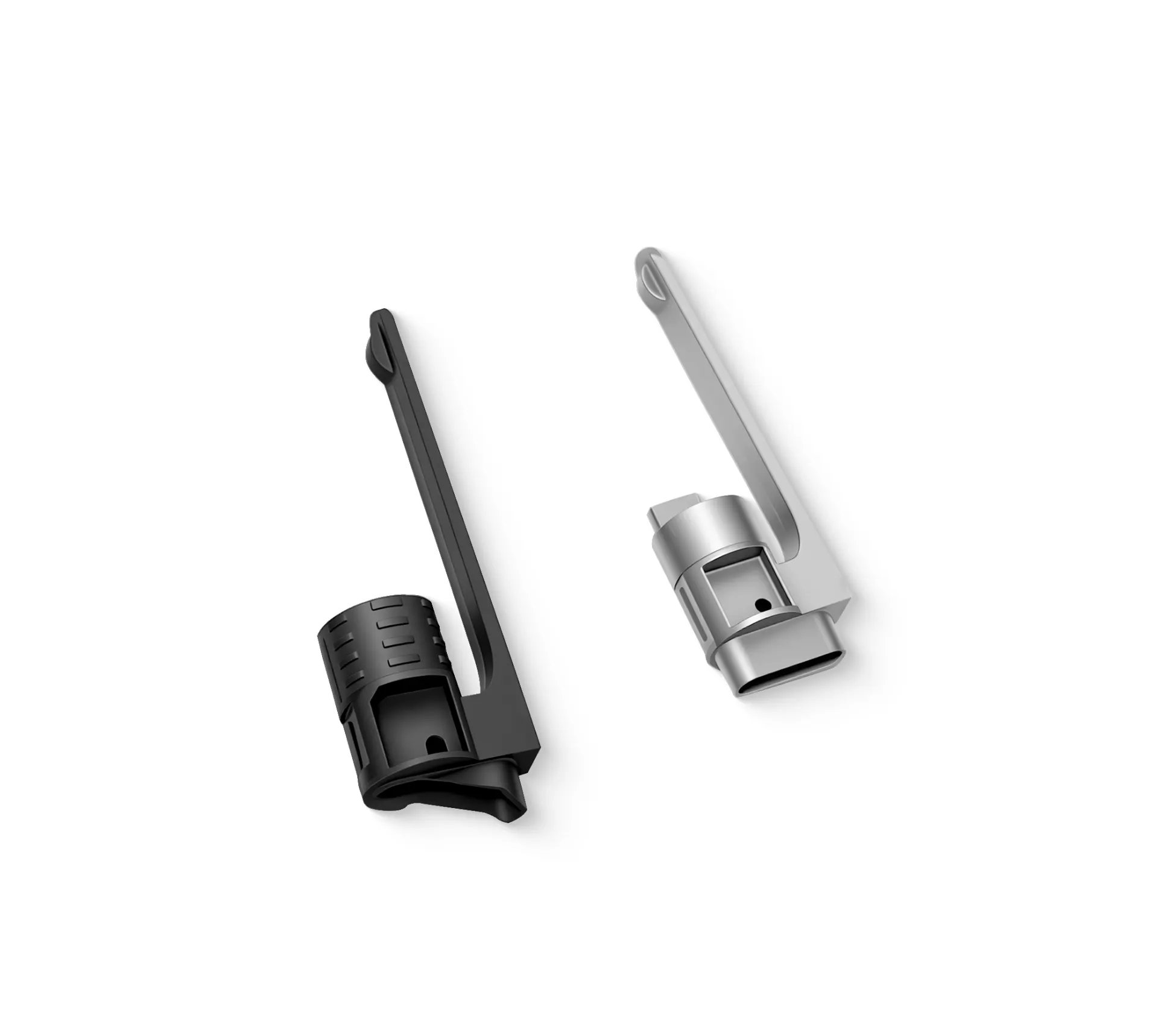
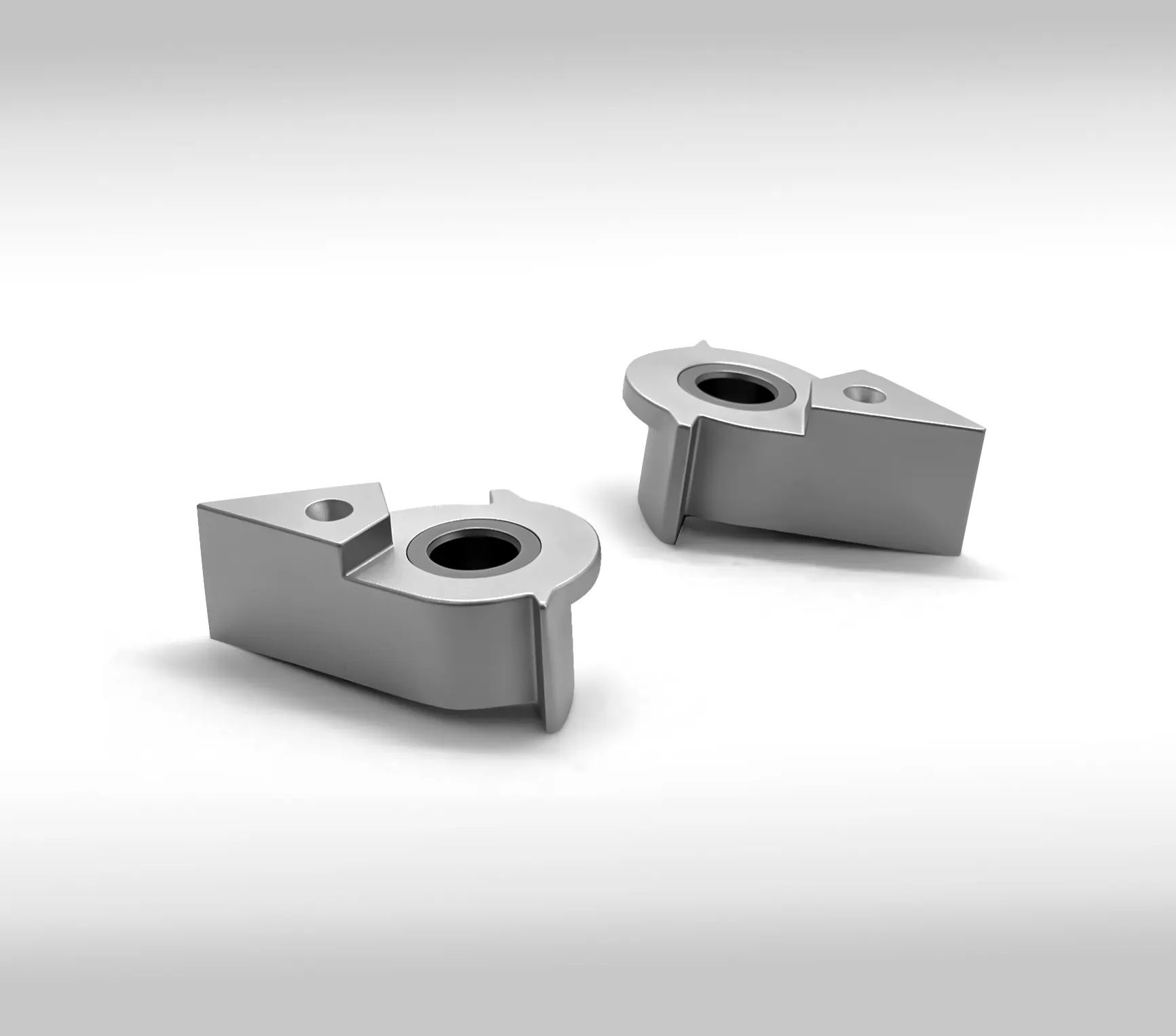
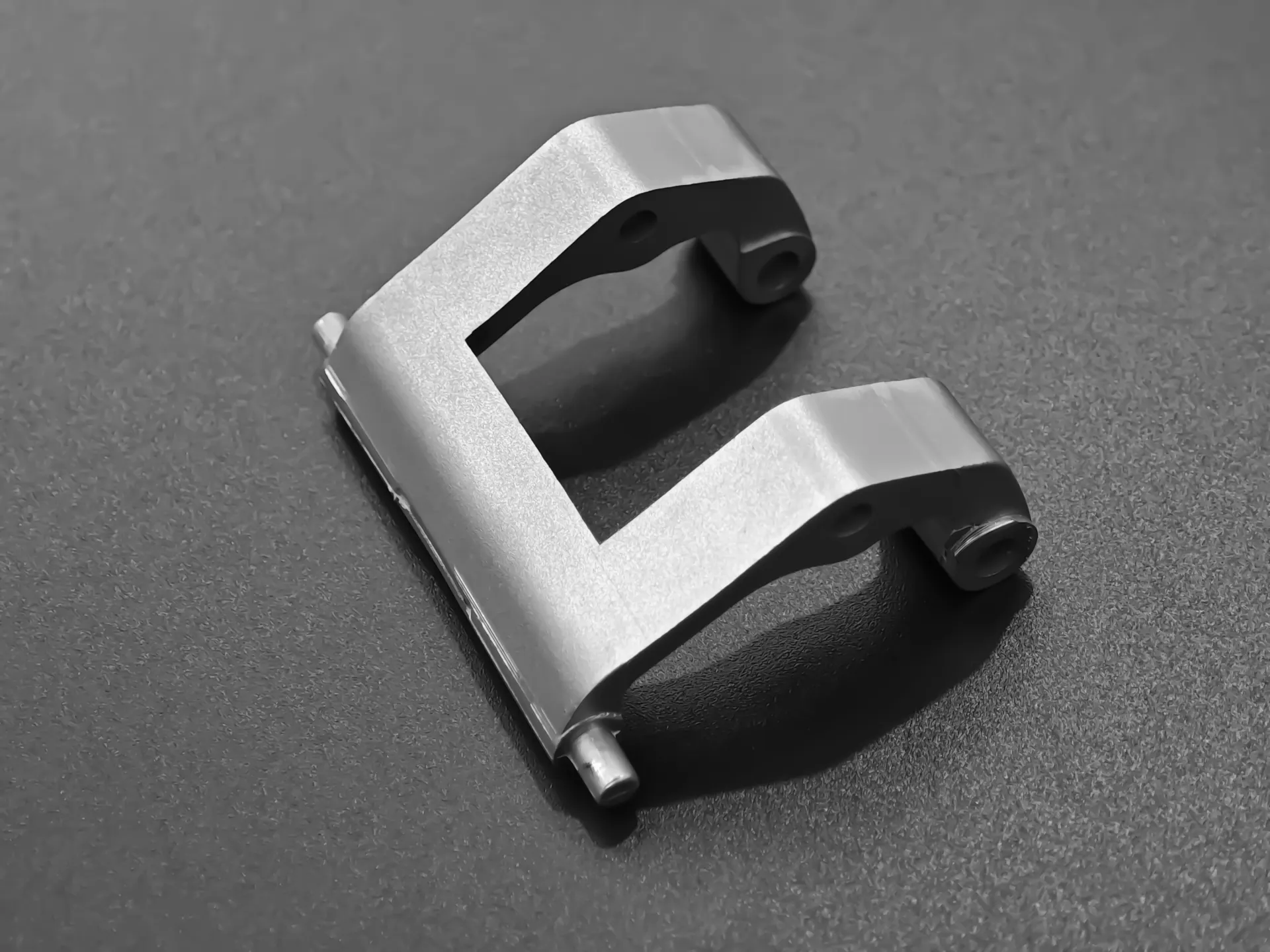
Manufacturing complex, high-strength metal components often forces engineers into an expensive compromise. CNC machining intricate geometries in tough materials like 17-4PH stainless steel leads to excessive tool wear, high material waste, and astronomical unit costs. Traditional investment casting offers geometrical flexibility but frequently falls short on dimensional tolerance and surface finish.
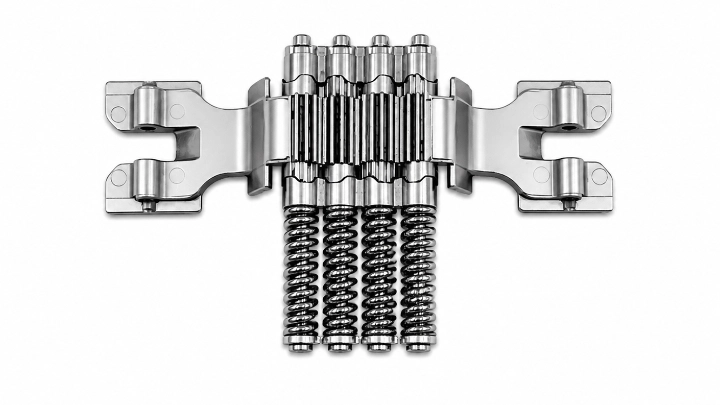
17-4PH stainless steel metal injection molding (MIM) solves this bottleneck by combining the design freedom of plastic injection molding with the mechanical performance of precipitation-hardened stainless steel.
17-4PH (UNS S17400 / Grade 630) is a chromium-copper precipitation-hardening martensitic stainless steel. It is one of the most widely used alloys in metal injection molding due to its exceptional combination of high strength, hardness, and moderate corrosion resistance.
- High Mechanical Strength: Achieve tensile strength up to 1100–1300 MPa after heat treatment (H900 condition).
- Corrosion Resistance: Performs comparably to 304 stainless steel in most atmospheric and mild chemical environments.
- Thermal Response: Responds exceptionally well to low-temperature age-hardening heat treatments with minimal distortion.
The 4-Step 17-4PH MIM Manufacturing Process
Feedstock Preparation➔Injection Molding➔Debinding➔Sintering & Heat Treatment
Feedstock Preparation: Fine 17-4PH metal powder (typically <20 µm) is mixed with a thermoplastic binder system to create a homogenous feedstock.
Injection Molding: The feedstock is heated and injected into a mold cavity under pressure, producing a "green part."
Debinding: The primary binder is extracted chemically (solvent debinding) or thermally, leaving a porous "brown part."
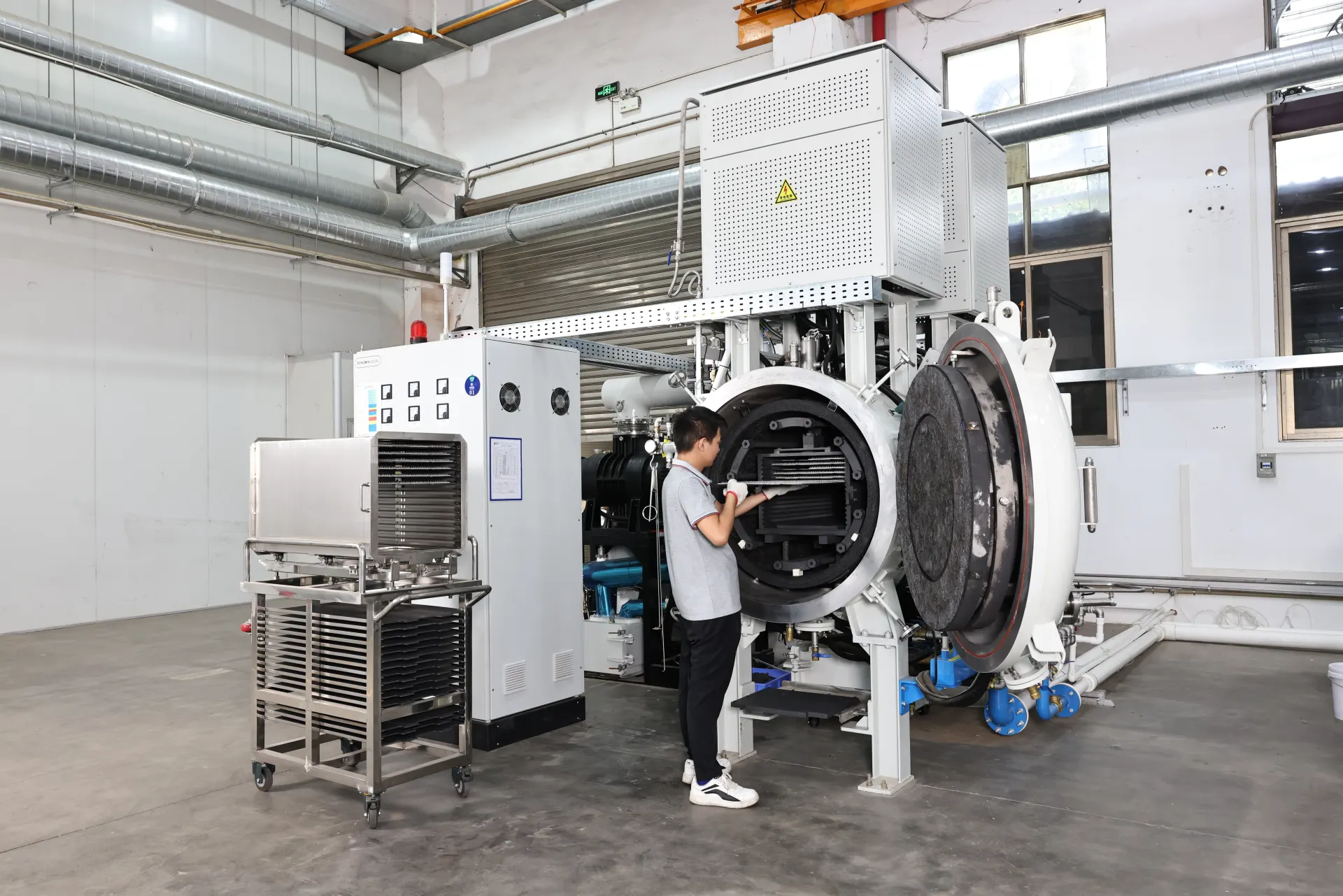
Sintering & Heat Treatment: The part is sintered at temperatures approaching its melting point (~1300°C/2370°F) in a vacuum or hydrogen atmosphere to reach 96–99% theoretical density, followed by H900 or H1150 age hardening.
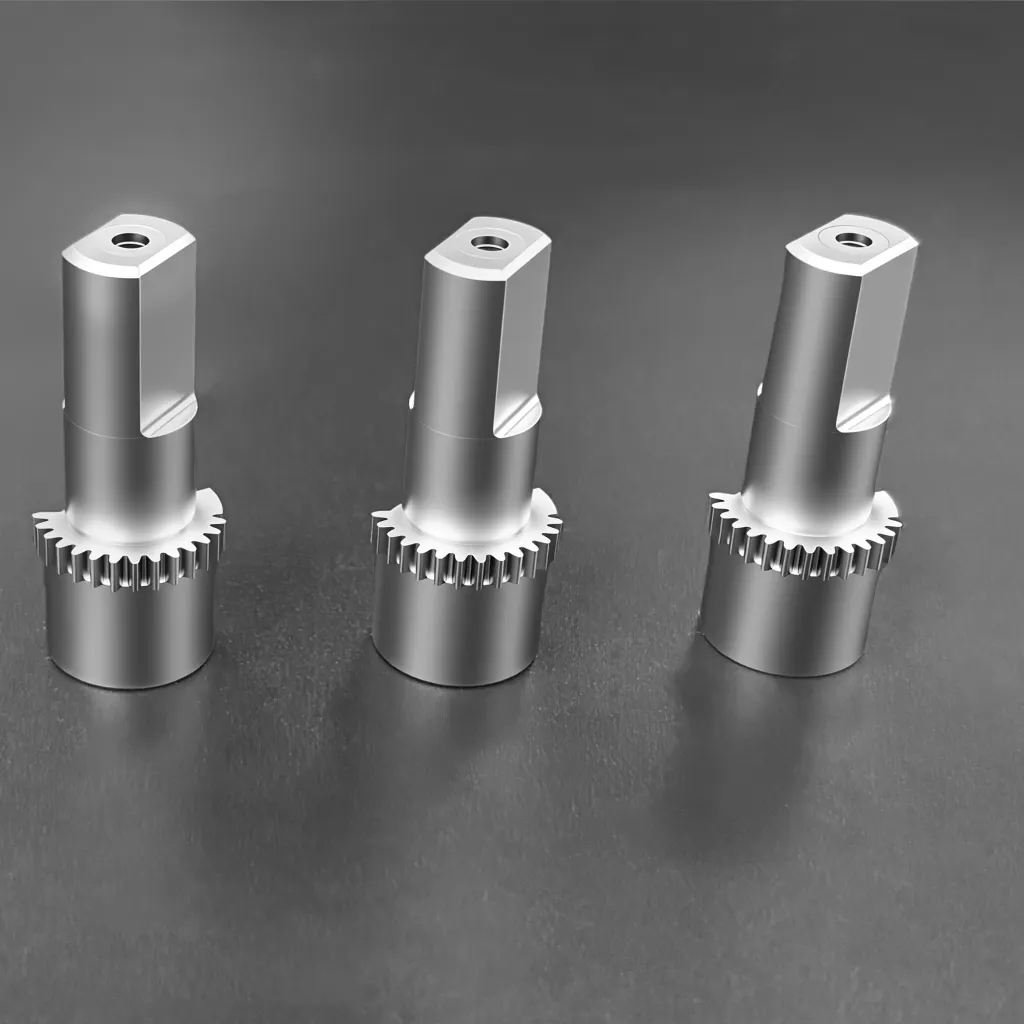
17-4PH MIM vs. Alternative Manufacturing Methods
| Property / Feature | 17-4PH MIM | CNC Machining | Investment Casting |
| Geometric Complexity | High | Low–Medium | Medium–High |
| Material Yield | >95% | 10–30% | About 60% |
| Tolerance Capability | ±0.3% to ±0.5% | ±0.005 mm | ±0.8% |
| Surface Finish (Ra) | 0.8–1.6 µm | 0.8–3.2 µm | 3.2–6.3 µm |
| Economic Volume | >5,000 parts/yr | Low-Medium volumes | Medium volumes |
Common Design Pitfalls to Avoid in 17-4PH MIM
Non-Uniform Wall Thickness: Drastic variations in wall thickness lead to warping and internal voids during debinding and sintering. Keep walls uniform between 1.0 mm and 4.0 mm.
Ignoring Shrinkage Rates: 17-4PH MIM parts shrink by 15% to 20% during sintering. Molds must be precisely scaled up to compensate for linear shrinkage.
Sharp Internal Corners: Sharp corners act as stress concentrators during thermal processing. Always incorporate a minimum internal radius of 0.5 mm.
Summary & Next Steps
17-4PH stainless steel metal injection molding is an unbeatable process for mass-producing small, intricate, high-strength metal components. By minimizing machining waste and eliminating complex multi-part assemblies, MIM significantly reduces per-unit costs for high-volume production runs.
Learn more about MIM knowledge
Frequently Asked Questions
What is the typical density achieved in 17-4PH MIM parts?
Sintered 17-4PH MIM components typically reach a density of 7.5 to 7.7 g/cm³, which represents 96% to 99% of the theoretical solid density.
Can 17-4PH MIM parts be welded or plated?
Yes. Due to their high sintered density, 17-4PH MIM components can be GTAW (TIG) welded, laser welded, and electroplated without outgassing issues.
What heat treatment conditions are commonly applied to 17-4PH MIM?
The most common condition is H900 (peak hardness and strength, aged at 482°C/900°F for 1 hour). For higher ductility and impact toughness, H1150 is typically selected.
Share on Social: