



Top 316L MIM Manufacturer: Precision Stainless Steel Injection Molding
By Yizejing
08, 2026
1. What is 316L Metal Injection Molding (MIM)?
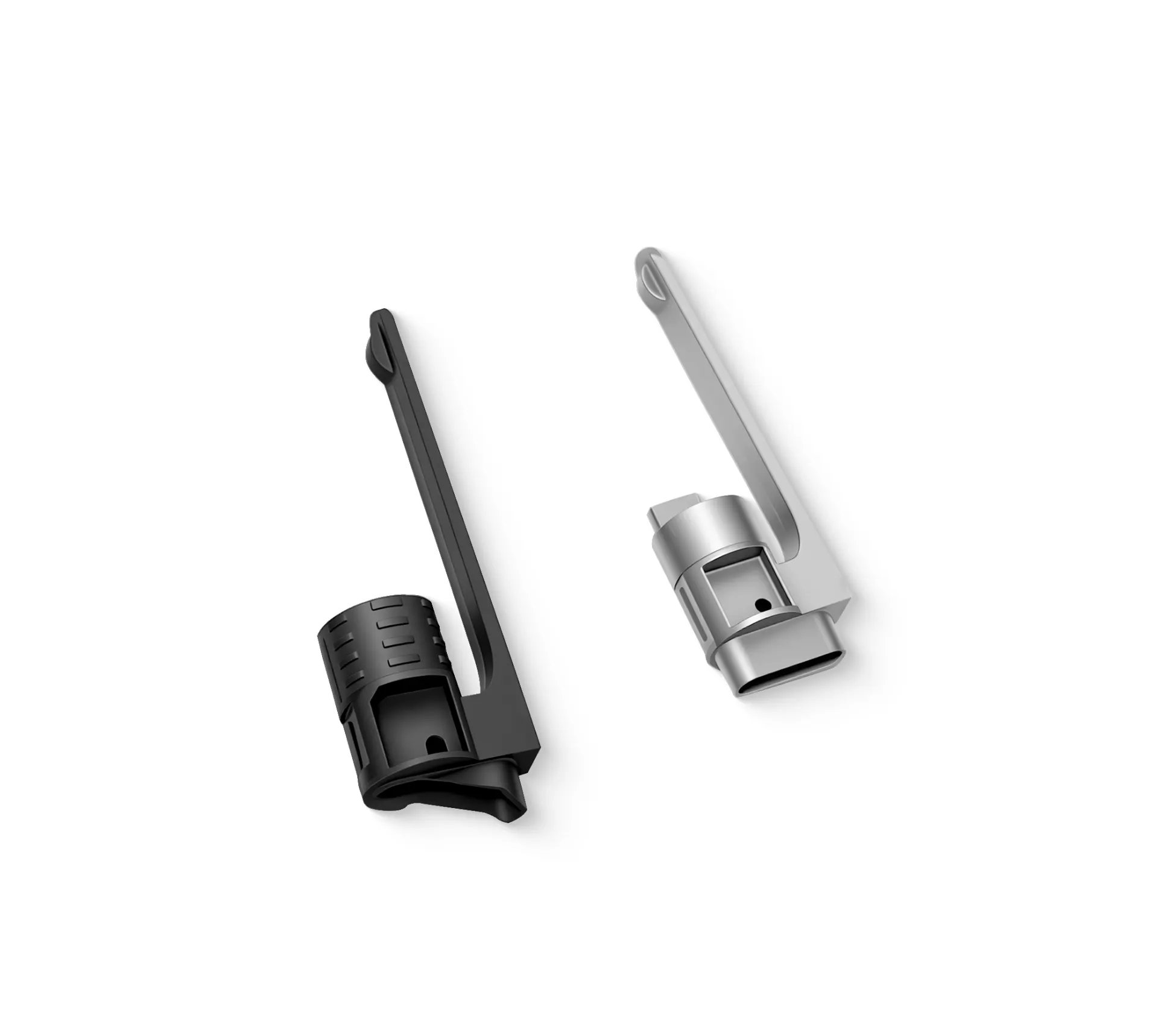
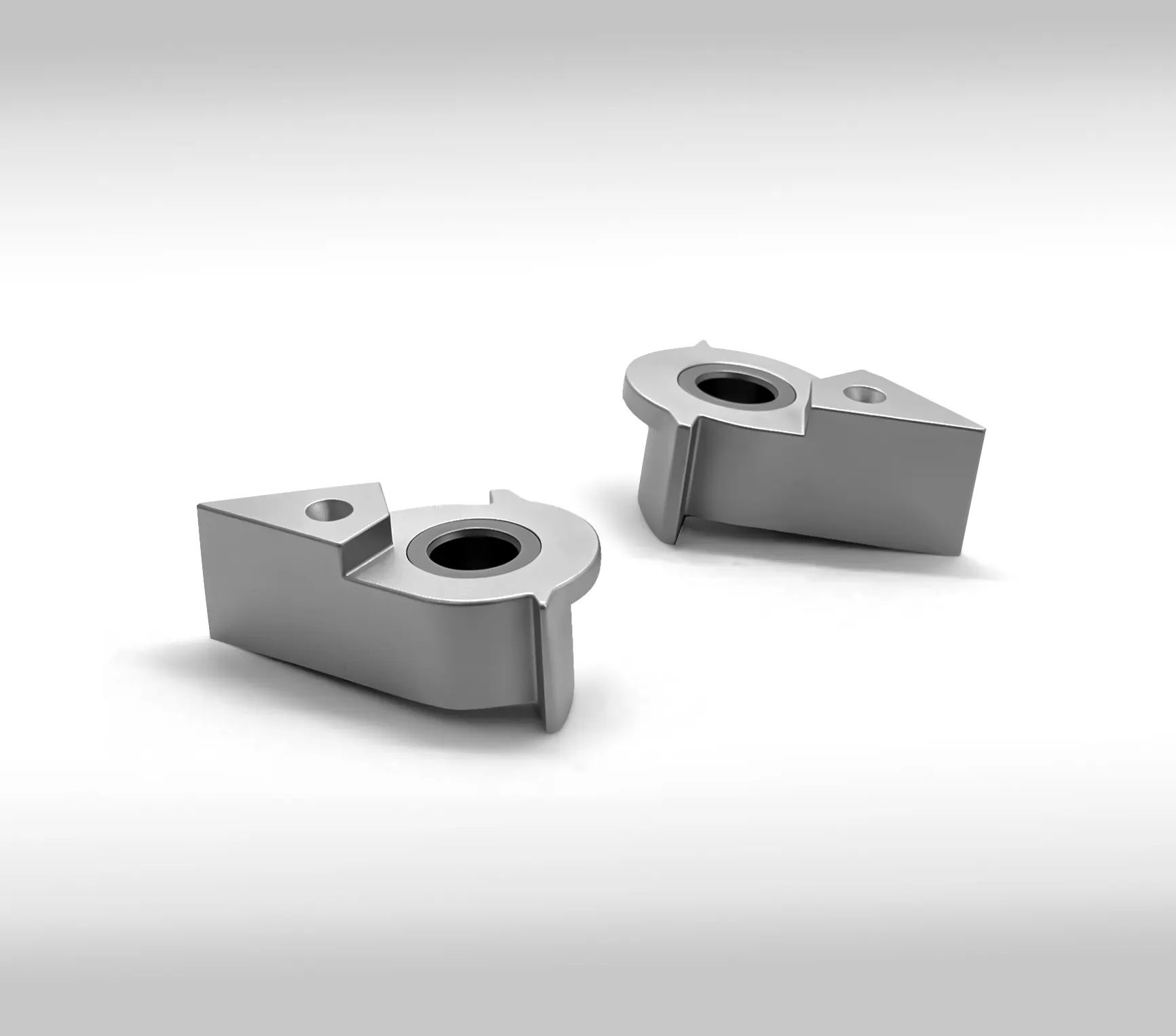
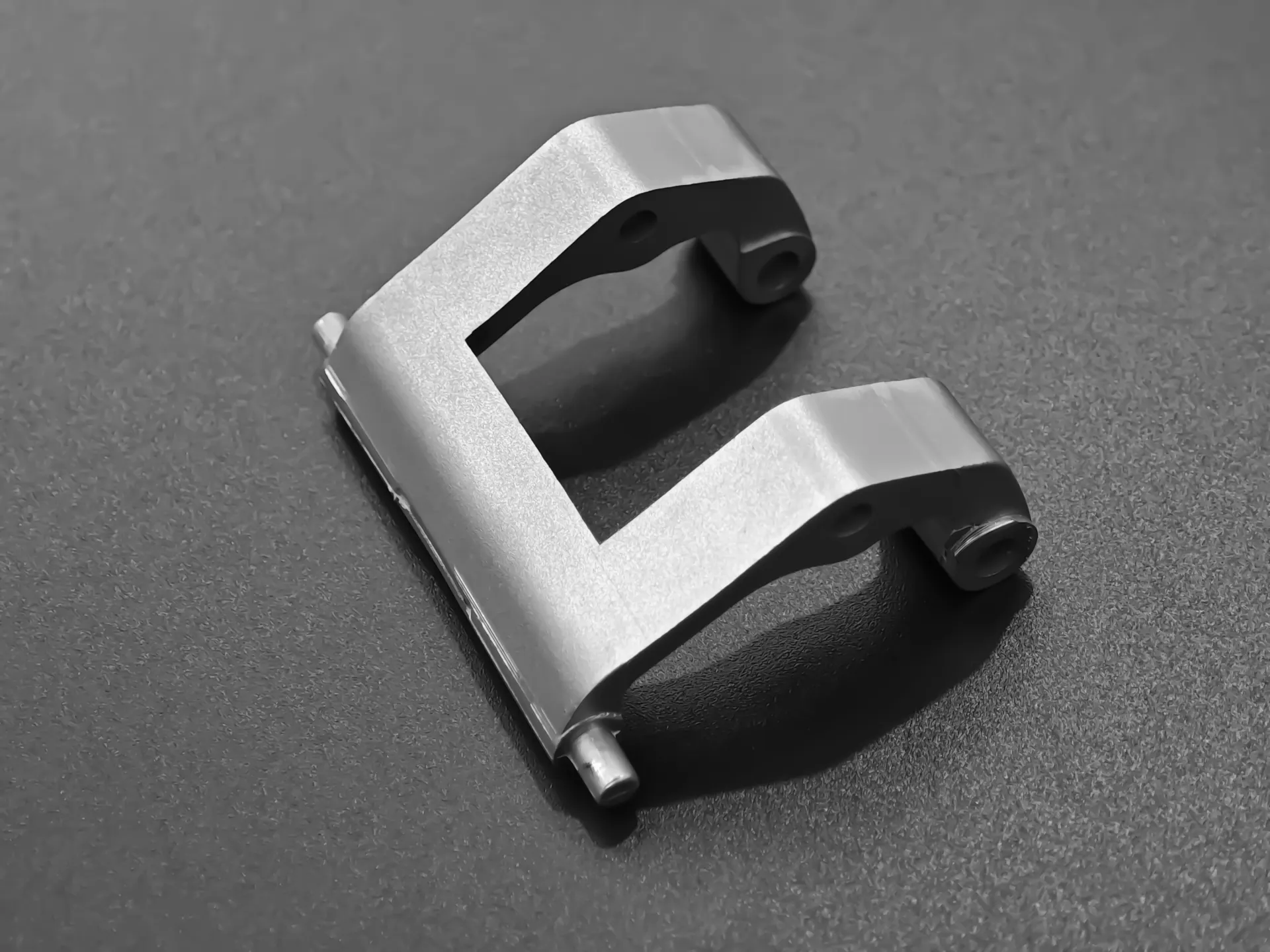
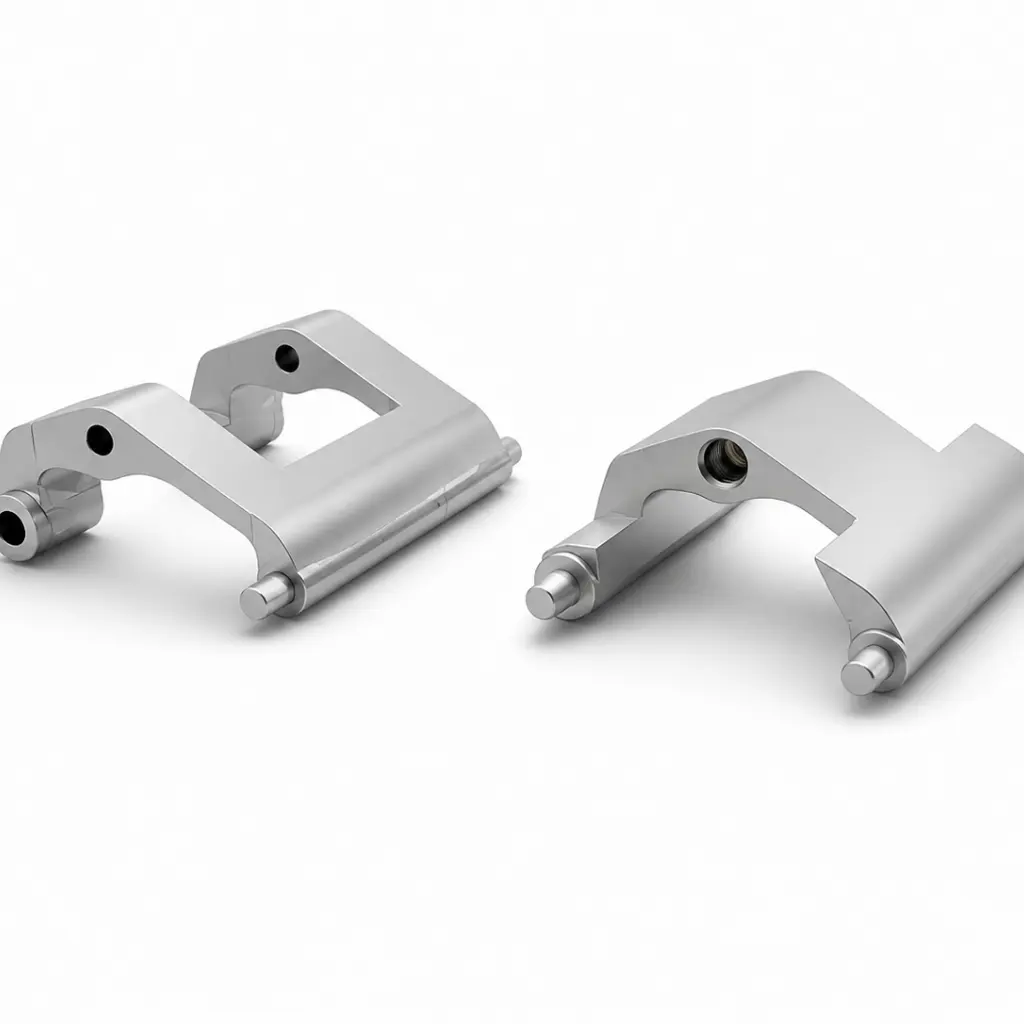
316L stainless steel is an austenitic, low-carbon alloy renowned for exceptional corrosion resistance, biocompatibility, and mechanical toughness. When processed via MIM, fine metal powders are mixed with a binder system, molded, debound, and sintered into dense, high-precision components.
Mechanical Properties of 316L MIM
| Property | Typical 316L MIM Value | Standard Machined 316L |
| Sintered Density | ≥7.9 g/cm³ (96-98%) | 8.0 g/cm³ |
| Tensile Strength ($R_m$) | ≥450MPa | 515MPa |
| Yield Strength ($R_{p0.2}$) | ≥175MPa | 205MPa |
| Elongation ($A$) | ≥40% | 40% |
2. Step-by-Step 316L MIM Manufacturing Process
Understanding the workflow ensures you design parts optimized for manufacturing (DFM) and set realistic production expectations.
Feedstock Preparation: Ultra-fine 316L stainless steel powder is homogenously blended with a thermoplastic binder system to create feedstocks.
Injection Molding: The feedstock is heated and injected into precision mold cavities, producing a "green part."
Debinding: Thermal or solvent debinding removes the majority of the binder, yielding a porous "brown part."
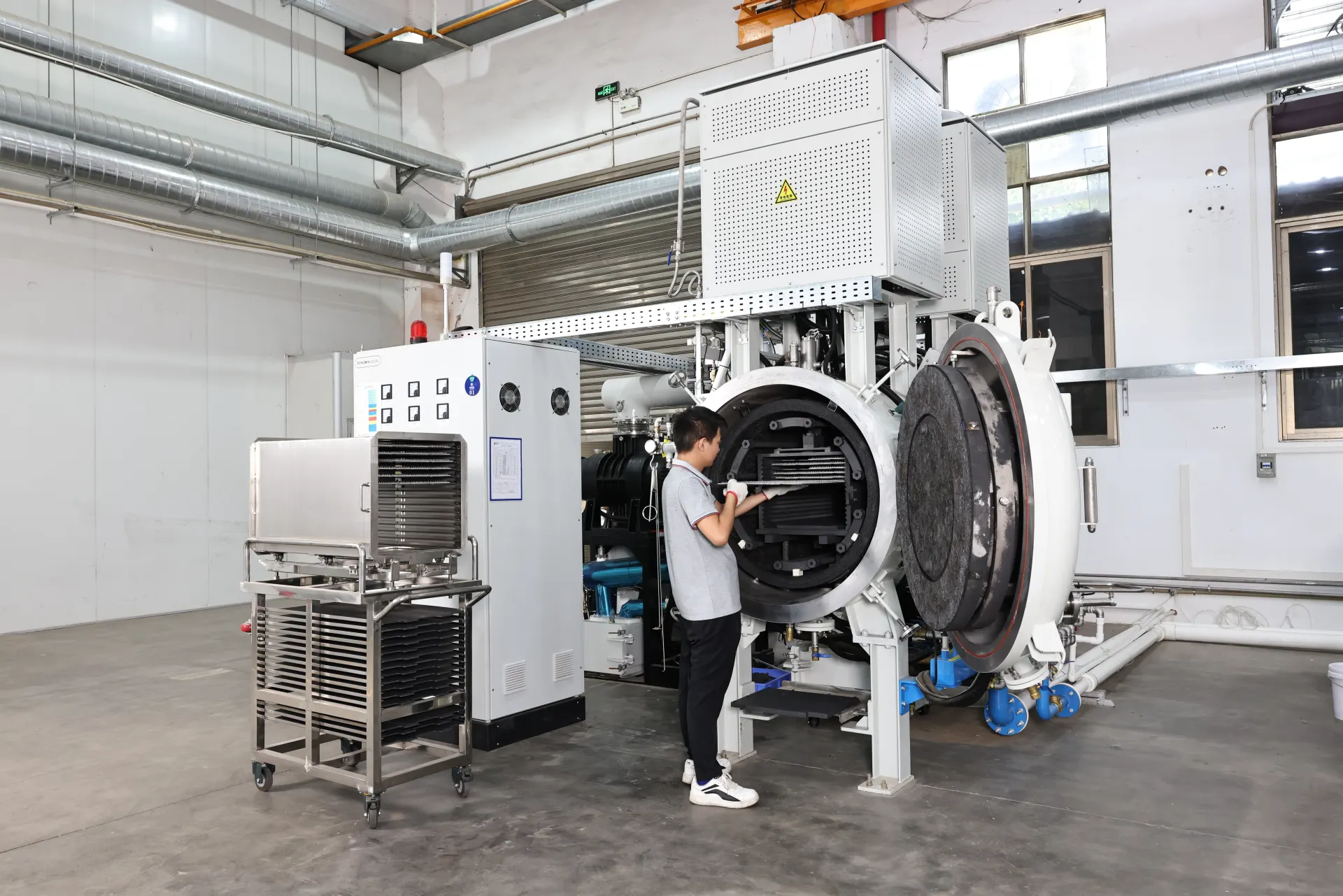
Sintering: The part is heated in a controlled vacuum or hydrogen atmosphere near the melting point. Particles fuse, shrinking the part by 15–20% to achieve full mechanical density.
Secondary Operations: Optional coining, CNC touch-ups, passivation, or polishing to meet extreme surface finish or tolerance requirements.
3. Key Applications for 316L MIM Parts
Thanks to its low carbon content and molybdenum addition, 316L MIM parts excel in harsh, corrosive, or biocompatible environments:
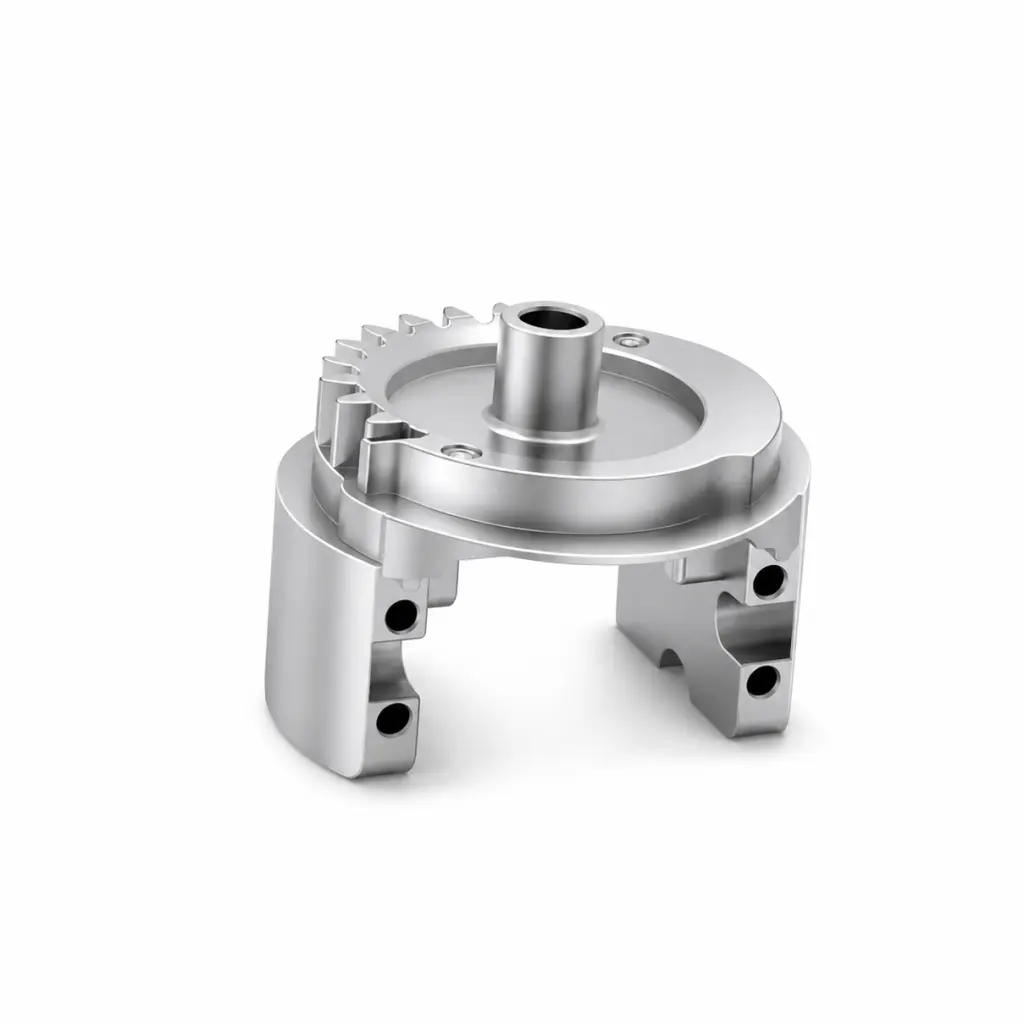
Medical Devices: Surgical instruments, endoscopic clamps, orthopedic implants, and dental tools (biocompatible per ISO 10993).
Consumer Electronics: Smartwatch casings, wearable hinges, camera mounts, and connector frames.
Automotive & Industrial: Fuel injection nozzles, sensor housings, fluid control valves, and lock mechanisms.
4. How to Select the Right 316L MIM Manufacturer (Vendor Checklist)
When vetting a supplier, focus on technical capabilities rather than just unit pricing to avoid quality control bottlenecks.
Sintering Atmosphere Control: Ensure the facility uses high-vacuum or pure Hydrogen sintering furnaces to prevent oxidation and carbon contamination.
In-House Tooling & DFM: Look for manufacturers offering early DFM feedback to adjust draft angles, wall uniformity, and shrinkage factors.
Quality Certifications: Verify compliance with ISO 9001 quality management systems and ISO 13485 for medical device components.
Metrology & Inspection: Confirm they use CMM, XRF material analyzers, and density testing to validate batch consistency.
5. Frequently Asked Questions (FAQ)
What tolerances can a 316L MIM manufacturer achieve?
Standard MIM tolerances are typically ±0.3% to ±0.5% of the nominal dimension. For features requiring sub-10 micron precision, secondary machining or coining operations are applied post-sintering.
When is MIM more cost-effective than CNC machining for 316L?
MIM is ideal for annual volumes exceeding 5,000 to 10,000 pieces where the component features complex 3D shapes, internal threads, or thin walls that require expensive multi-axis machining setup time.
Does 316L MIM retain the same corrosion resistance as wrought 316L?
Yes. When properly debound and sintered under vacuum or hydrogen, 316L MIM achieves≥96% theoretical density, eliminating interconnected porosity and offering corrosion resistance equal to standard wrought stainless steel.
Final Thoughts & Next Steps
Selecting a specialized 316L MIM manufacturer allows hardware teams to scale production, cut unit costs on intricate geometries, and maintain superior mechanical properties. To get started, ensure your CAD models maintain uniform wall thickness $0.5mm to 5mm) and request a comprehensive DFM review from your supplier before cutting steel for molds.
For more technical guides on metal manufacturing and powder metallurgy, explore our detailed resource on optimizing design rules for powder metallurgy components.
Share on Social: